The Tale of the ‘Ticking Time Bomb’ and the $5 Latch
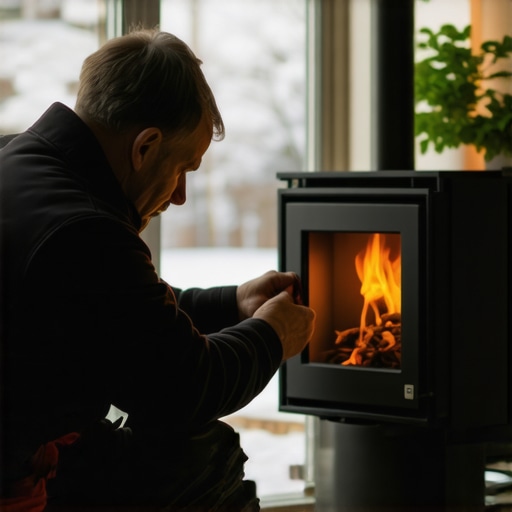
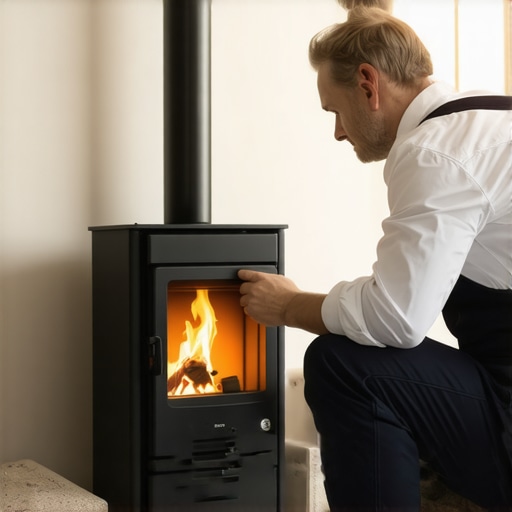
Last February, I walked into a basement in a Chicago suburb where the temperature had dropped to a bone-chilling -10°F. The homeowner, a retired schoolteacher, was shivering next to a space heater. A ‘Comfort Advisor’ from one of those massive franchise companies had just left, leaving behind a $14,500 quote for a full high-efficiency furnace installation. He told her the heat exchanger was likely cracked because the pilot light wouldn’t stay lit—a ‘ticking time bomb’ in his words. I didn’t reach for my sales brochure; I reached for my multimeter and my flashlight. After five minutes, I noticed something the ‘sales tech’ missed: every time the basement door creaked, a gust of wind from the unsealed crawlspace would whip across the burner assembly. The pilot wasn’t failing; it was being murdered by a draft. A $5 latch on that door and a quick cleaning of the thermocouple saved her fourteen grand. This is why I hate the modern HVAC industry—too many salesmen, not enough techs who understand the physics of a flame.
The Anatomy of a Failing Flame: Why Airflow is King
When we talk about a gas furnace repair, we aren’t just looking at a metal box that makes fire. We are looking at a delicate balance of gas pressure, ionization, and thermodynamics. In 2026, even older standing pilot systems are being pushed to their limits as we integrate them with app-controlled heating systems and remote thermostat access. But if the fundamental physics are broken, no amount of silicon valley tech will keep you warm. A pilot light is essentially a safety gatekeeper. It heats a thermocouple or a flame sensor, generating a tiny millivolt signal that tells the gas valve, ‘Hey, it’s safe to dump the main juice now.’ If that signal is weak, the valve stays shut. You stay cold. This isn’t magic; it’s the Thermodynamic Zooming of combustion. The flame must be blue, steady, and enveloping the top 1/2 inch of the sensor. If it’s yellow and lazy, you’ve got an oxygen-to-fuel ratio problem, likely caused by a clogged venturi tube or a tin knocker who didn’t size the return air drops correctly.
“The most expensive equipment in the world cannot overcome a bad duct system or poor combustion air supply.” – Industry Axiom
Solution 1: The 2026 Digital Diagnostic & Sensor Scrub
The most common culprit for a pilot that won’t stay lit is a dirty flame sensor or thermocouple. In the old days, we’d just swap them. In 2026, we use precision cleaning. Over time, the combustion process leaves a microscopic layer of silica and carbon on the sensor. This acts as an insulator, preventing the ‘flame rectification’ process—where the flame itself conducts electricity. If your voice control setup Alexa Google tells you the ‘Furnace is not responding,’ it’s often because the control board didn’t see that millivolt signal within the safety window. Take a piece of fine abrasive cloth (not sandpaper, which leaves grit) and gently polish the rod until it glows like a new penny. This is a primary step in HVAC repair secrets that can save you a service call. If you’re dealing with a commercial furnace repair, this becomes even more critical as the larger burners produce more soot.
Solution 2: Gas Pressure and the Manometer Mystery
Sometimes the issue isn’t the sensor; it’s the ‘juice.’ If your gas pressure is too low, the pilot flame will be too small to sufficiently heat the thermocouple. This is common in regions where snow melt systems installation has increased the total load on a residential gas line. I’ve seen houses where the snow melt system kicks in, the gas pressure drops, and the furnace pilot starves to death. We use a digital manometer to check the ‘inches of water column.’ If the static pressure is off, your furnace is essentially trying to breathe through a straw. While you’re at it, check the zoning system installation dampers; if they are misconfigured, backpressure can affect the combustion chamber’s stability. If you’re unsure about your system’s health, checking out furnace repair myths debunked can help you identify if your pressure issues are systemic or just a bad regulator.
Solution 3: The High-Efficiency Control Board Upgrade
If you are tired of the pilot light dance, 2026 brings us more robust electronic ignition conversion kits. Many older units can be retrofitted with a hot-surface igniter or a spark-to-pilot system that eliminates the ‘standing pilot’ (the flame that stays on all year) entirely. This is often the first step toward a high-efficiency furnace installation without replacing the whole cabinet. These new boards integrate perfectly with app-controlled heating systems, allowing you to see exactly why the ignition failed from your phone. Whether you are managing a baseboard heater repair or a complex forced-air system, moving away from 1970s pilot technology is the smartest move for reliability. For those with more complex setups, including heat pumps, refer to the ultimate guide to heat pump maintenance for hybrid system tips.
“A furnace is only as reliable as the air it breathes and the signal it receives.” – Standard for Gas-Fired Central Furnaces
The Humidity Factor and 2026 Comfort
In cold climates like the Northeast or Midwest, we aren’t just fighting the cold; we’re fighting the dry. A humidifier installation is mandatory if you want to feel warm at 68°F. Dry air sucks moisture off your skin, making you feel like you’re in a wind tunnel even when the furnace is roaring. By maintaining 35-45% relative humidity, you decrease the ‘sensible heat’ loss from your body. This also prevents the wood in your home from shrinking, which can actually cause those drafts that blow out your pilot light in the first place! If you find yourself constantly adjusting the heat, consider mini-split troubleshooting as a supplemental heat source for those stubborn ‘cold rooms’ that the main furnace just can’t reach. If you’re ready to fix it right the first time, you can always contact us for a real tech’s opinion, not a salesman’s pitch.