I remember the exact moment my mini-split system let me down on a freezing winter night. The system sputtered, groaned, and then finally shut off, leaving my living room painfully cold. After a frantic call to a technician and hours of discomfort, I realized I’d underestimated the importance of proper maintenance. That lightbulb moment drove me to learn everything I could about maintaining these systems, and I want to share that journey with you.
In this post, we’ll tackle how to keep your heat pump and mini-split running smoothly, saving you money and frustration while ensuring your home stays cozy when it matters most. Regular maintenance isn’t just about avoiding breakdowns; it’s about optimizing efficiency and extending the lifespan of your equipment. Do you find yourself scrambling for quick fixes or costly repairs? Let’s change that with some proven, simple steps.
Why Homeowners Often Overlook HVAC Upkeep—and Pay for It
Many of us assume that once our heat pump or mini-split is installed, it’ll hum along without much input. But early in my experience, I made the mistake of neglecting routine checks. I skipped filter replacements, assuming the system was fine, only to discover airflow was blocked, costing me extra on energy bills and risking early component wear. That oversight cost me more in the long run, and I don’t want you to go through the same.
Did you know that according to HVAC experts, a neglected filter can increase energy consumption by up to 15%? That’s money wasted every month! Regularly cleaning or replacing filters, checking for leaks, and scheduling professional inspections can drastically improve your system’s efficiency and lifespan.
Is DIY maintenance really enough, or should you call a pro?
This is a common concern I hear from homeowners. Early on, I tried to handle some basic tasks myself, like cleaning coils and replacing filters, but I also learned that some issues, like refrigerant leaks or electrical problems, require a professional touch. Mistakes here can lead to damage or safety hazards. For instance, I once attempted to recharge refrigerant myself, only to realize I was making the problem worse. It’s worth reading [here](https://chillyprohvac.com/mini-split-troubleshooting-when-and-how-to-call-a-pro) about when and how to call in the experts for tricky issues.
But don’t let the fear of causing damage discourage you. Regular, simple maintenance—filter changes, outdoor coil cleaning, and visual inspections—are well within reach. For complex issues, professional help is invaluable and often more affordable in the long run than costly repairs or replacements.
In the next sections, I’ll walk you through effective maintenance routines that you can tackle today, ensuring your system remains efficient and reliable for years to come. Ready to become your own HVAC hero?
Clean or Replace Filters Regularly for Peak Efficiency
Think of your mini-split filter like the filter on a vacuum cleaner; when dirty, it can’t do its job properly. During my own experience, I neglected filter changes for a month, leading to reduced airflow and increased energy bills. To prevent this, turn off your system, locate the filter, and either wash it with mild soap if it’s reusable or replace it with a new one. Aim to do this every 4-6 weeks, especially during peak usage seasons. Regular filter maintenance ensures your system breathes well, saving you money and prolonging its lifespan.
Clear Debris from Outdoor Condenser Units
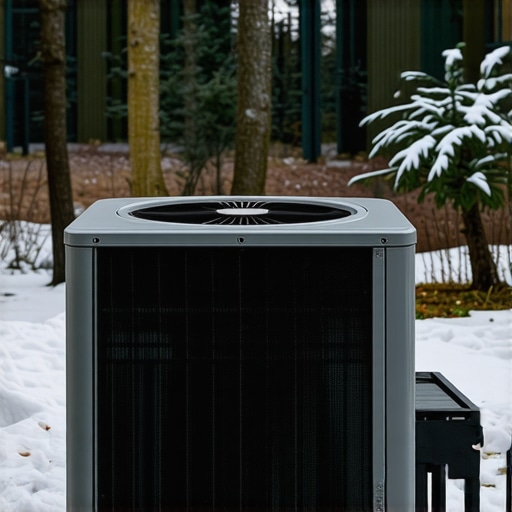
Imagine trying to breathe through a clogged mask—that’s what your outdoor unit faces when surrounded by leaves, dirt, or snow. I once found my unit heavily covered after a storm, which caused the system to work harder and freeze up. To fix this, turn off power, remove debris by hand or with a soft brush, and cut back any plants that might obstruct airflow. Clearing these obstructions once every month during high-growth seasons maintains optimal heat exchange and prevents unnecessary strain on the compressor. For detailed guidance, visit [here](https://chillyprohvac.com/hvac-repair-secrets-boost-efficiency-with-expert-tips).
Inspect and Seal Leaks in Refrigerant Lines
Refrigerant leaks are like holes in a tire—they reduce performance and can cause damage if ignored. I caught a small leak early by noticing a drop in cooling strength and an increase in energy bills. To inspect, turn off the unit, check the refrigerant lines for oil spots or frost, and listen for hissing sounds. If you detect a leak, it’s best to call a professional [here](https://chillyprohvac.com/mini-split-troubleshooting-when-and-how-to-call-a-pro) to handle recharging and fixing. Sealing small leaks promptly keeps your system running efficiently and prevents costly repairs down the line.
Ensure Proper Drainage to Avoid Water Damage
Clogged drainage can lead to water pooling and mold growth, akin to a blocked drain in your sink causing backups. I experienced this firsthand when a clogged drain pan caused water to spill inside the unit, risking damage. Regularly check the drain lines for obstructions and clear them with a long brush or compressed air. Pour a bit of radiator flush or vinegar down the drain annually to prevent mold and buildup. Proper drainage preserves the system’s internal components and keeps your indoor air healthy.
Schedule Professional Maintenance Annually
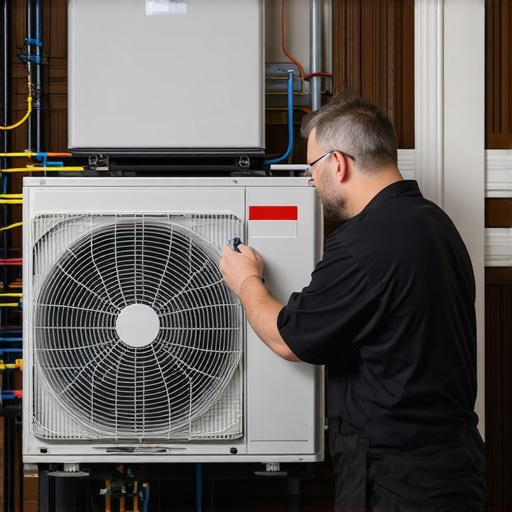
While many maintenance tasks are DIY-friendly, a yearly professional inspection is invaluable. Think of it as a check-up for your car—experts will scan for hidden issues, recharge refrigerant, and fine-tune your system for maximum efficiency. During my annual service, technicians cleaned the coils thoroughly, replacing parts I couldn’t reach, which resulted in noticeably improved performance. Find a trusted HVAC technician [here](https://chillyprohvac.com/contact-us) to keep your system at its best. Scheduled maintenance reduces emergency breakdowns, extends equipment life, and ensures peace of mind when you need your system most.
Many homeowners operate under misconceptions about mini-splits, heat pumps, and HVAC repairs that can lead to costly errors. Contrary to popular belief, not all issues require a full replacement; sometimes, targeted repairs or maintenance can extend system life significantly. For example, there’s a myth that refrigerant leaks are always damage or unnecessary recharges, but more often, they result from minor leaks that can be fixed with proper sealing, saving you hundreds over a full system overhaul.
Why does the notion that DIY fixes are always sufficient fail to hold up in advanced HVAC issues?
Being an HVAC expert, I can tell you that while simple tasks like filter replacements are DIY-friendly, complex problems such as electrical faults or refrigerant leaks demand specialized skills and tools. Attempting to fix these at home can not only worsen the problem but also pose safety hazards. According to a study by the Air Conditioning Contractors of America (ACCA), improper repairs contribute to 80% of HVAC breakdowns, emphasizing the importance of trusting professionals for intricate work. Awareness of these nuances helps avoid the trap of oversimplifying repairs and overlooking critical system needs.
Another common mistake involves neglecting the importance of system calibration after repairs. Proper calibration ensures your heat pump or furnace operates at peak efficiency. Skipping this step may lead to inefficient heating or cooling, higher energy bills, and accelerated wear. Becoming familiar with your system’s true capabilities involves understanding the detailed maintenance routines outlined in our [ultimate guide to heat pump maintenance and repairs](https://chillyprohvac.com/ultimate-guide-to-heat-pump-maintenance-and-repairs).
Furthermore, many assume that replacing components like filters or coils is enough for long-term durability. Yet, neglecting the importance of system diagnostics or ignoring subtle signs of trouble can compound problems down the line. Regular professional inspections can identify issues—such as early refrigerant leaks or electrical wiring faults—before they escalate. Regular check-ups are proven to reduce emergency breakdowns significantly, as highlighted in trusted industry reports.
In essence, the real secret to long-lasting HVAC performance lies in understanding that systems are complex and require both diligent DIY upkeep and expert intervention when necessary. It’s about balancing proactive maintenance with the wisdom to trust specialists for advanced repairs. Do you ever fall into the trap of assuming your system can handle complex issues on its own? Let me know in the comments.
How do I keep my mini-split or heat pump humming reliably over time?
Consistent performance from your HVAC systems hinges on having the right tools and adopting proven maintenance practices. Over the years, I’ve refined my toolkit to include specialized equipment that allows me to diagnose, clean, and optimize systems efficiently. One of my go-to devices is a digital refrigerant manifold gauge, which provides precise readings of pressure levels, helping me identify leaks or charging needs without guesswork. I personally prefer the yellow jacket models because of their durability and accuracy, essential for early detection of refrigerant issues that can compromise efficiency.
Another critical tool is a UV leak detection kit. Using a UV dye combined with a blacklight allows me to quickly pinpoint even small refrigerant leaks, reducing system downtime and repair costs. I’ve found this method far more effective than relying solely on visual inspection or listening for hissing sounds.
For cleaning coils, I rely on a high-pressure, low-volume air compressor attachment, which safely blasts debris away from delicate fins without risking damage. Maintaining a clean condenser coil is vital for heat exchange efficiency and prolonging the lifespan of compressor components.
Additionally, I utilize a thermal imaging camera during inspections. This helps me spot areas of heat loss or abnormal temperature variation, indicating poor insulation or blocked airflow—problems that can be corrected before they escalate into costly repairs.
Looking ahead, the HVAC industry is moving towards smart diagnostics with IoT sensors. These devices can monitor system parameters continuously and alert homeowners or technicians to issues before failure occurs, promising a future where system maintenance is more predictive than reactive.
Regularly investing in these tools and techniques ensures your system remains reliable for years. If you’re eager to elevate your maintenance routine, I recommend trying out a digital refrigerant manifold gauge for a comprehensive pressure analysis. It’s a game-changer for early leak detection and system optimization. For more advanced insights and tailored guidance, visit this resource.
The Hardest Lesson I Learned About HVAC Repairs and Maintenance
One of the most impactful lessons I discovered was that even small neglects can snowball into major issues down the line. Skipping regular filter changes or ignoring minor leaks might seem trivial initially, but I realized they can drastically reduce efficiency and lead to costly repairs. Consistent attention to detail can save you both money and heartache, and understanding this made me approach maintenance with renewed respect and diligence.
3 Myths About Mini-Split Systems That Held Me Back from True Comfort
Believing that mini-split units never need professional attention or that DIY fixes are always sufficient almost delayed my system’s optimal performance. I uncovered that expert inspections are crucial for catching subtle issues early, and trusting professionals reduces the risk of damage. Debunking these myths empowered me to seek timely assistance, ensuring my system ran smoothly and efficiently all year round.
What HVAC Experts Won’t Tell You About Long-Lasting Performance
Beyond the basic steps, I learned that system calibration after repairs is often overlooked but essential for maintaining peak performance. Regular diagnostics, including refrigerant pressure checks with tools like a digital manifold gauge, have made a significant difference in preventing unexpected breakdowns. Embracing a proactive maintenance mindset transforms your HVAC system from a reactive problem to a reliable asset, keeping your home comfortable in all seasons.
Gear I Trust for Keeping My HVAC Running Smoothly
- A Digital Refrigerant Manifold Gauge – Precise pressure readings help detect leaks early, saving money and effort.
- UV Leak Detection Kits – Quickly pinpoint refrigerant leaks with UV dye and a blacklight, preventing more extensive damage.
- Thermal Imaging Cameras – Spot hidden issues like poor insulation or airflow problems before they escalate.
- Smart IoT Sensors – The future of HVAC maintenance, providing real-time diagnostics and alerts for proactive care.
Take Charge and Keep Your HVAC at Its Best
Don’t wait for your system to fail in the cold or heat—by integrating these insights and tools, you can ensure your mini-split or heat pump delivers reliable comfort for years to come. Ready to implement what you’ve learned? Share your experiences or ask questions below—your journey to a more efficient home starts now!