The Ghost of Efficiency: A Forensic Look at Your Heating Bill
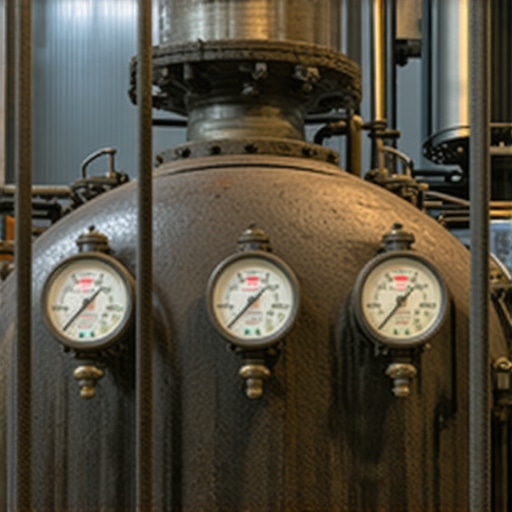
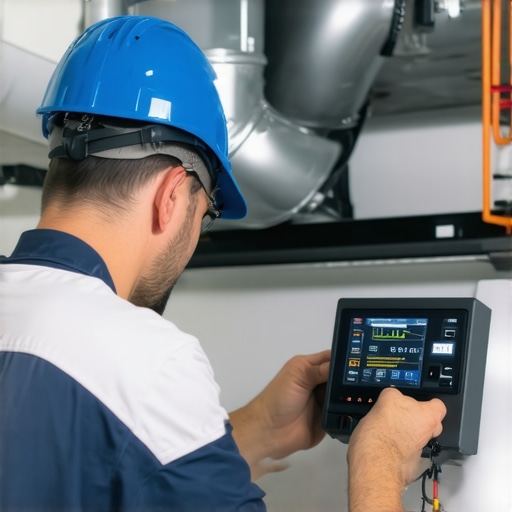
Last winter, I walked into a drafty Methodist church basement where the air smelled of stale incense and wet iron. A ‘Sales Tech’—one of those guys who spends more time polishing his shoes than his manifold gauges—had just handed the deacon a $45,000 estimate for a full system overhaul. He told them the boiler was a ‘dinosaur’ and the radiators were ‘bleeding energy.’ I spent twenty minutes performing system performance testing and found a failed $150 bypass humidifier repair issue and some scorched wires. The system wasn’t dying; it was being strangled by neglect. But as we move into 2026, the math is changing. The HVAC industry is hitting a regulatory cliff, and if you’re still nursing an ancient radiator setup, you need to know if you’re sitting on a classic or a money pit.
1. The R-454B Transition: Why 2026 is the Year of the Regulatory Cliff
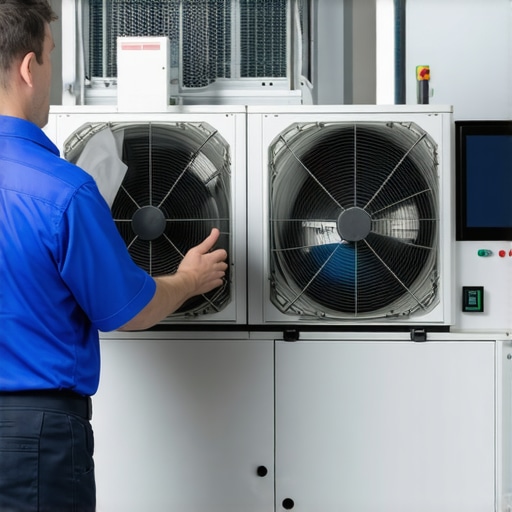
We are currently standing in the middle of the most significant refrigerant shift in thirty years. The industry is moving away from R-410A toward A2L refrigerants like R-454B. This isn’t just a name change; it’s a chemistry change. R-454B is classified as ‘mildly flammable,’ which sounds terrifying to homeowners but is just a Tuesday for a tech who knows his physics. If your current heating and cooling system relies on an old outdoor unit paired with your radiators, R-454B refrigerant transition services are going to be your biggest hurdle.
‘The transition to low-GWP refrigerants requires a fundamental shift in technician training and equipment compatibility to ensure safety and performance.’ – ASHRAE Standard 15-2022
In 2026, finding the old ‘gas’ (refrigerant) for a repair will cost you a kidney. If your system is leaking, you aren’t just paying for the fix; you’re paying for the scarcity of a phased-out substance. This is why control board diagnostics are becoming critical; we need to know if the brain of your unit can even handle the sensors required for these new ‘mildly flammable’ systems.
[IMAGE_PLACEHOLDER]
2. The Electrical Heartbeat: Wiring and Capacitors
I’ve seen it a thousand times: a homeowner thinks their blower motor is shot because the system just hums and clicks. They call a ‘Sparky’ or a cheap tech who tries to sell them a $1,200 blower motor replacement. In reality, it’s often just a $40 part. Capacitor replacement services are the bread and butter of honest HVAC work. A capacitor is like a heart defibrillator; it gives the motor that high-voltage kick it needs to start spinning. When they bulge and leak oil, your motor pulls high amperage, overheats, and eventually fries its own windings. However, in 2026, if you are seeing frequent wiring repair for heating systems, it’s a sign of ‘heat soak.’ Old wires get brittle. They lose their insulation. If your control board looks like a toasted marshmallow, the ‘thermodynamic zooming’ reality is that your system is working too hard to overcome high static pressure. You can’t just keep slapping Band-Aids on a charred heart.
3. The Hyper-Heat Revolution vs. The Church Heating Legacy
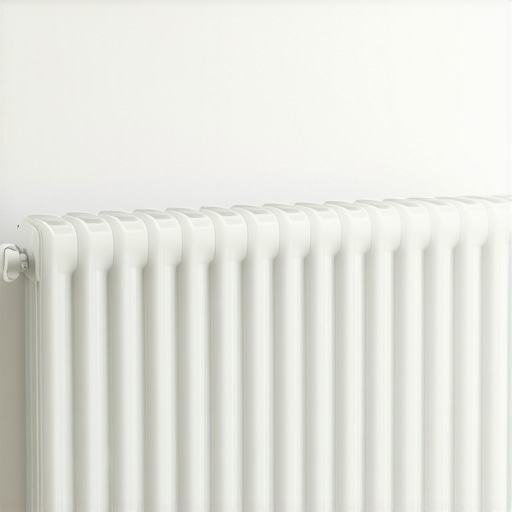
Many of the church heating systems I service are beautiful pieces of engineering—massive cast-iron radiators that hold sensible heat for hours. But they are slow. In the 2026 landscape, we are seeing a massive pivot toward hyper-heat heat pumps. These aren’t your grandfather’s heat pumps that stopped working at 35°F. Modern hyper-heat technology uses vapor injection to pull heat out of the air even when it’s -15°F outside. If your radiator system is costing you a fortune in oil or natural gas, you have to look at the AFUE (Annual Fuel Utilization Efficiency). An old boiler might be 60% efficient, meaning 40 cents of every dollar goes right up the chimney. A hyper-heat system can operate at 300% efficiency because it’s moving heat, not creating it. Check out our ultimate guide to heat pump maintenance and repairs to see if this transition makes sense for your square footage.
4. Airflow and the ‘Tin Knocker’s’ Truth
You can have a gold-plated boiler, but if your air isn’t moving right, you’re miserable. Airflow is king. This is where MERV filter upgrades come into play. People think a thicker filter is always better. Wrong. A high MERV filter on a system not designed for it is like trying to breathe through a wet wool blanket. It increases static pressure, kills your blower motor, and causes your evaporator coil to freeze into a block of ice during the summer months.
‘The most expensive equipment in the world cannot overcome a bad duct system.’ – Industry Axiom
If you’re noticing one room is a sauna while the other is an icebox, the problem isn’t your radiators; it’s your distribution. We use ‘Pookie’ (mastic) to seal those duct joints because tape eventually fails. If your system is struggling, you might need hvac repair secrets to boost that efficiency. Don’t let a sales tech tell you that you need a new unit when you actually just need a ‘Tin Knocker’ to fix your return air drop.
The Final Diagnosis: Repair or Replace?
So, is your radiator system costing you too much in 2026? Look for the ‘sour’ smell of a compressor burnout or the constant ‘hunting’ of a thermostat that can’t find its set point. If you’re facing a repair that’s more than 50% of the value of a new system—especially with the R-454B transition looming—it’s time to pull the plug. Stop falling for furnace repair myths debunked by guys who just want a commission. If you’re hearing the screech of a bearing or seeing the flickering of a control board, contact us for a real technician’s opinion. We don’t sell boxes; we fix physics. Whether it’s a mini-split troubleshooting session or a massive commercial boiler, the goal is always the same: latent heat removal and sensible heat management. Stay warm, stay cynical, and don’t let the Sales Techs win.