
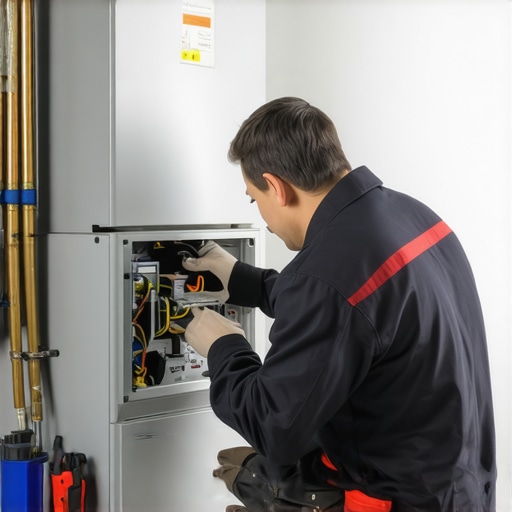
It was a cold winter night when my furnace suddenly stopped working. I remember the shock of seeing the heat drop in my home, leaving me scrambling to find help. That moment taught me a crucial lesson: trusting the wrong repair service can turn a minor issue into a major headache. Since then, I’ve learned that reliable furnace and heat pump repairs aren’t just about fixing the problem—they’re about ensuring lasting comfort and peace of mind.
Why Trustworthy Repairs Matter More Than Ever in 2024
With the rising costs of energy and the increasing complexity of HVAC systems, having a dependable repair team is essential. Last year, I discovered that many homeowners fall for quick fixes or unqualified technicians, only to face recurring issues and higher bills later. It’s no wonder that the demand for expert HVAC repairs is booming. According to a recent study, nearly 60% of homeowners experienced at least one HVAC failure that required professional intervention in 2023, emphasizing the importance of choosing the right service provider.
But how do you tell if a repair company is truly trustworthy? That’s what we’ll explore today. From common pitfalls to expert tips, I’ll guide you through the essentials of selecting reliable HVAC services that last. If you’ve ever worried about costly breakdowns or subpar fixes, keep reading—I’ve been there, and I’m here to help.
Is It Really Worth Investing in Top-Tier HVAC Repairs?
Early in my HVAC journey, I made a mistake that cost me dearly. I trusted a cheap, nearby handyman to fix my furnace because I thought I was saving money. Turns out, his patchwork repairs didn’t last, and I ended up replacing the entire unit a year later. That experience made me realize that cutting corners on HVAC repairs can backfire. Today, I recommend sticking with trusted professionals who follow proven methods and use high-quality parts. For a deeper understanding of common HVAC myths and how to avoid them, check out this article on furnace repair myths.
Choose Certified Professionals for Repairs
Start by verifying credentials. When I needed urgent repair last winter, I checked technicians’ licensing and certifications to ensure they were qualified. Look for companies with EPA certifications and manufacturer-approved training, which guarantee they follow industry standards. Visit this contact page to connect with trusted experts.
Assess Experience and Reputation
Next, examine their track record. I read reviews on reputable platforms and asked for references. An experienced technician will promptly diagnose issues, like when I had my heat pump inspected—he identified a refrigerant leak that others overlooked. This step prevents recurring problems and saves money in the long run. For insights on common misconceptions, explore furnace repair myths.
Request Detailed Estimates
Always ask for written estimates before work begins. I once received a vague quote that led to unexpected costs; after insisting on a detailed breakdown, I understood exactly what was needed. Compare estimates from multiple providers to ensure competitive pricing without sacrificing quality. Reliable companies will explain the scope clearly and use high-quality parts. For maintenance tips, visit this guide.
Confirm Use of Quality Parts
High-quality components are vital for durability. During my repair, I checked if the technician used OEM parts or reputable brands. Avoid cheap substitutes, which can cause future failures. Expert repair services follow manufacturer specifications to ensure longevity, similar to how I trusted trusted repair solutions.
Follow Up and Maintenance
Finally, schedule regular maintenance. I set reminders for annual checkups, which caught issues early before they became costly. Proper tuning improves efficiency and extends system life. For ongoing care, consult this comprehensive guide. Remember, ongoing inspections help diagnose minor problems before they escalate, ensuring lasting comfort and savings.
Many homeowners operate under misconceptions that can lead to costly mistakes when it comes to HVAC repairs. One widespread myth is that all repair services are equally trustworthy, which isn’t true. In my experience, trusting unqualified or unlicensed technicians can result in subpar fixes that fail quickly, leading to repeated expenses and system downtime. Always verify credentials and look for companies with proven track records, like those outlined in reliable repair solutions.
Another false belief is that regular maintenance isn’t necessary if the system isn’t acting up. This myth can cause minor issues to escalate into major repairs. Regular checkups, as detailed in heat pump maintenance guides, help catch problems early, saving money and extending system lifespan. Skipping maintenance often leads to decreased efficiency and higher energy bills, which many homeowners overlook until it’s too late.
Additionally, some assume that a quick patch is sufficient for fixing HVAC problems. This approach might seem cost-effective initially but often results in recurring issues. For example, patching a refrigerant leak without addressing the root cause can cause the leak to reoccur, wasting resources and risking further damage. Always opt for comprehensive repairs from trusted professionals who follow manufacturer standards, as discussed in trusted repair practices.
What Advanced Mistakes Do Homeowners Make That Cost More?
A common advanced mistake is neglecting system diagnostics during repairs. Many homeowners or even inexperienced technicians focus solely on visible issues but overlook underlying problems that could cause future failures. For instance, ignoring airflow restrictions or sensor malfunctions can lead to inefficient system operation. Skilled technicians perform thorough diagnostics to identify these hidden issues, ensuring lasting results. This nuance is often missed in basic repairs but can significantly impact system longevity and performance, as highlighted by industry experts in HVAC troubleshooting tips.
Have you ever fallen into this trap? Let me know in the comments. Remember, understanding these nuances can save you money and keep your home comfortable year-round.
How do I keep my HVAC system running smoothly over time
Maintaining your HVAC system isn’t just about calling a technician when it breaks down. It involves a proactive approach with the right tools and techniques to ensure longevity and efficiency. One of my top recommendations is investing in a reliable digital multimeter, like the Fluke 115. I personally use this device because it provides precise readings of voltage, current, and resistance, which is essential when troubleshooting electrical components in furnaces and heat pumps. Regularly checking these parameters helps catch potential issues early before they become costly repairs.
Another invaluable tool I rely on is a refrigerant leak detector. I prefer the INFICON D-TEK, a handheld device that quickly identifies even minor refrigerant leaks. This tool has saved me countless hours and prevented unnecessary part replacements. Detecting leaks early not only extends the lifespan of your system but also maintains optimal efficiency, saving on energy bills.
For routine maintenance, I recommend using a high-quality microfiber cloth and a soft brush to clean air filters and coils. Keeping filters clean ensures proper airflow and reduces strain on the system. When combined with a good HVAC cleaning solution—like Nu-Calgon’s Evap Foam—you can effectively remove dirt and grime that impair performance.
Scheduling regular system diagnostics with a professional is crucial. I use software like HVAC Pro for mobile diagnostics, which allows me to log system data and identify trends over time. This proactive monitoring helps prevent unexpected failures and extends the system’s life. As technology advances, I predict that AI-driven diagnostic tools will become more commonplace, enabling even more precise maintenance scheduling.
Make sure to keep detailed records of all repairs, part replacements, and maintenance activities. A digital log, stored in cloud-based services like Google Drive, helps track when components are due for inspection or replacement. This habit ensures that your HVAC system remains in top shape year after year.
What are the best ways to maintain HVAC systems over time
One of the most effective strategies is establishing a routine maintenance schedule that includes inspecting, cleaning, and testing key components. Regularly replacing filters, checking refrigerant levels, and inspecting electrical connections can prevent small issues from becoming major failures. For detailed guidance on heat pump maintenance, I recommend visiting this comprehensive guide. Additionally, using specialized tools like a manifold gauge set allows you to monitor system pressures accurately, ensuring your heat pump or furnace operates within optimal parameters.
Remember, staying ahead with maintenance tools and techniques not only saves money but also ensures your home remains comfortable year-round. Don’t hesitate to try out some of these advanced tools—your system will thank you for it!
The Hardest Lesson I Learned About HVAC Repairs
My biggest takeaway was the importance of verifying credentials. I once trusted a technician who claimed to be certified but turned out to lack proper licensing, leading to subpar work. Now, I always check for EPA certifications and manufacturer approvals before hiring.
Three Mistakes That Cost Me More
Skipping routine maintenance seemed harmless at the time, but it caused minor issues to snowball into expensive repairs. Regular checkups, like inspecting filters and refrigerant levels, are essential for longevity and efficiency.
What No One Tells You About DIY Fixes
Attempting quick patches without diagnosing the root cause often results in recurring problems. I learned that comprehensive repairs from trusted professionals save money and prevent frustration in the long run.
Why Diagnostics Are the Hidden Hero
Overlooking system diagnostics can lead to missing underlying issues like airflow restrictions or sensor malfunctions. Skilled technicians perform thorough troubleshooting, which I now see as a crucial step for lasting results.
Curated Resources That Changed My Approach
- HVAC Pro Diagnostic Software: This tool helps me log system data and catch trends early. It’s invaluable for proactive maintenance.
- Trusted Repair Service Pages: Links like trusted repair guides have been my go-to for choosing reliable professionals.
- Heat Pump Maintenance Guide: Regularly referencing this comprehensive guide keeps my system running smoothly.
- Leak Detectors: Using tools like INFICON D-TEK helps me identify refrigerant leaks early, saving money and extending system life.
The Future of HVAC Maintenance Is Bright
With advancements in diagnostics and smart tools, proactive maintenance will become even more accessible. My advice? Start integrating these tools into your routine now—your home and wallet will thank you. Ready to take control of your HVAC system? Share your experiences or ask questions below. I’d love to hear your story about trustworthy repairs or lessons learned along the way.

Reading through this detailed post really resonated with me, especially the part about verifying technician credentials. I once hired a technician who claimed to be certified but lacked proper licensing, which resulted in poor repairs and additional costs down the line. Since then, I always check for EPA certification and manufacturer-approved training before hiring. I’ve also seen firsthand how regular maintenance, like cleaning filters and checking refrigerant levels, can prevent costly breakdowns. It’s those small, consistent steps that make a big difference over time. One thing I’ve recently started doing is using a refrigerant leak detector to catch issues early—it’s been a game-changer for maintaining efficiency. Has anyone else tried integrating more diagnostic tools into their routine maintenance? I’m curious about what devices or software others have found most helpful for keeping HVAC systems in top shape long-term.
This post really hits home for me, especially the importance of using high-quality parts and verifying credentials. I had a similar experience a few years ago when a less reputable technician tried to patch my heat pump with cheap parts. It ended up failing after just a few months, costing me even more in the long run. Since then, I always ask for OEM parts and proof of certification before any repair. Also, I’ve found that investing in diagnostic tools like refrigerant leak detectors or even simple multimeters can make troubleshooting much easier and prevent unnecessary repairs. Does anyone have recommendations for affordable yet reliable diagnostic tools for homeowners? I’m also curious about how others manage routine maintenance—are there any smartphone apps or software that help keep track of service schedules? I’ve started using a simple calendar to set reminders, but I’d love to hear about tools or methods that others find effective.