
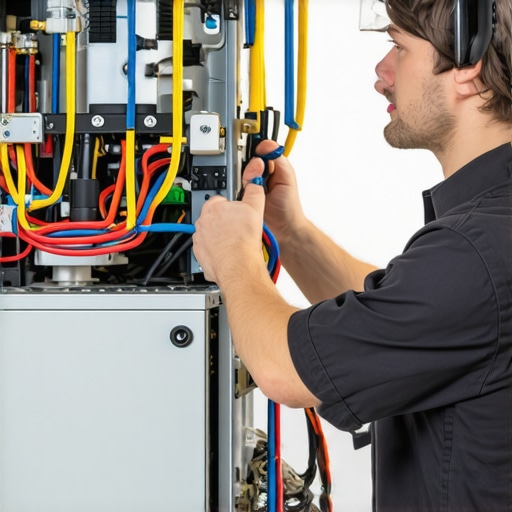
Ever been in the middle of a cold winter night, only to hear that dreaded clunking sound from your furnace? Or maybe you’ve faced the frustrating surprise of a heat pump that just refuses to kick in on the coldest day of the year. I’ve been there, and let me tell you, nothing makes you feel more helpless than unreliable heating when you need it most. That lightbulb moment hit me hard—trusting just any repair service isn’t enough. You need experts who guarantee results, especially now in 2024 when energy efficiency and long-term reliability are more important than ever.
Getting Comfort You Can Count On
Today, we’re diving into how you can avoid those nightmare scenarios by ensuring your furnace or heat pump is in top shape. I’ll share how to spot red flags early, the common mistakes homeowners make, and the expert tips that can save you from costly repairs down the line. Because let’s face it—no one wants to be caught shivering or paying exorbitant energy bills because of overlooked issues. My promise is simple: help you find reliable, lasting solutions so your home stays comfortable, no matter what winter throws at us.
Is It Really Worth Investing in Professional Repairs?
Early on, I learned a hard lesson—trying to fix my heating system myself was a mistake. I remember jamming tools where they didn’t belong, thinking I’d save a few bucks. Spoiler alert: I only made things worse, and the repair ended up costing more. That’s why I now advocate for trusting licensed professionals who know what they’re doing. According to a recent study, proper HVAC maintenance can extend the lifespan of your system by up to 30% and reduce energy costs significantly. So, yes, investing in expert repairs is absolutely worth it if you want peace of mind and reliable warmth. If you’ve faced similar frustrations, you’re not alone—let’s explore how to get ahead of these problems before they turn into emergencies.
Inspect Your System Regularly to Catch Issues Early
In my own experience, the first step to reliable repairs is consistent inspection. I once caught a minor refrigerant leak during a routine check, which prevented a costly breakdown on a freezing night. Start by visually checking for signs of wear, corrosion, or leaks around your furnace or heat pump. Listen for unusual noises like banging or squealing that signal mechanical issues. Regularly inspecting your system helps you identify red flags early, making repairs easier and less expensive.
Test System Performance to Pinpoint Problems
Next, I learned to run simple performance tests. Turn your system on and note how long it takes to heat your home. If it takes longer than usual or cycles frequently, it’s a sign something’s off. Check thermostat calibration and ensure filters are clean, as these are common culprits. Performing these tests provides concrete data that guides your repair decisions or confirms when professional help is needed. Remember, if you’re unsure, it’s best to contact experts through our contact page.
Replace or Clean Filters for Immediate Improvement
One of the simplest fixes I did was replacing dirty filters. Dirty filters restrict airflow, causing your system to work harder and increase wear. I once replaced a clogged filter and immediately noticed better heating efficiency. Regularly check filters every 1-3 months, especially during peak usage. Proper filtration not only improves performance but also extends the lifespan of your system. For more detailed advice on maintenance, visit this comprehensive guide.
Adjust Thermostat Settings for Efficiency
Sometimes, the issue isn’t mechanical but settings. I experienced a chilly night because I accidentally set my thermostat too low. By raising it to the optimal level (usually 68-72°F), I improved comfort and reduced strain on the system. Use a programmable thermostat to avoid manual adjustments and save energy. Proper settings ensure your system runs efficiently and reliably, especially during extreme weather. Learn more about thermostat optimization at this link.
Perform Basic Troubleshooting Before Calling Pros
When my heat pump stopped working unexpectedly, I first checked the circuit breaker and thermostat. Resetting the breaker or replacing a blown fuse often solves simple issues. I also inspected the outdoor unit for debris or ice buildup. These quick troubleshooting steps can save time and money. However, avoid delving into complex repairs yourself—trust licensed professionals for that. For instances when troubleshooting is necessary, refer to this troubleshooting guide to know when to call in the experts.
Schedule Professional Maintenance for Long-Term Reliability
Despite my DIY efforts, I learned that annual professional maintenance is crucial. A licensed technician can perform thorough inspections, clean components, and identify hidden issues. I scheduled a maintenance visit before winter, which included checking refrigerant levels, lubricating parts, and testing safety controls. This routine service significantly boosted system reliability and efficiency. To ensure your system gets expert attention, visit this page for trusted repair results.
While it’s easy to believe that DIY fixes or trusting the cheapest service can save you money, these misconceptions can lead to bigger problems down the line. Many homeowners assume that all repairs are equal or that HVAC systems don’t need professional attention until something breaks completely. Let’s dig deeper into the nuances most people overlook, so you can avoid costly mistakes and ensure your heating system stays reliable during the coldest months.
Why Cutting Corners with Repairs Often Backfires
One of the most pervasive myths is that a quick, inexpensive fix is sufficient. However, HVAC systems are complex, and a seemingly simple repair might only address the surface issue. For example, replacing a broken thermostat without inspecting the entire system can result in ongoing inefficiencies or even damage to components you didn’t realize were compromised. Skimping on quality parts or experienced technicians often leads to recurring failures and higher costs over time. According to industry experts, investing in certified professionals ensures comprehensive diagnostics, lasting repairs, and energy efficiency improvements that save money in the long run. For trustworthy service, consider reaching out through our contact page.
Beware of the Heating System Myths
Many homeowners believe that regular maintenance isn’t necessary unless something goes wrong. This misconception can be costly. Regular inspections and tune-ups by licensed technicians can catch issues early—like refrigerant leaks or worn-out parts—that might seem minor but can escalate into major failures during winter. Skipping scheduled maintenance often results in reduced system lifespan and increased energy bills. For expert advice on maintaining your system proactively, visit this comprehensive guide.
The Danger of Overlooking Advanced Nuances
Advanced homeowners often overlook subtle signs that indicate deeper issues, such as uneven heating, unexplained energy spikes, or strange noises. These symptoms require more than basic troubleshooting; they demand a nuanced understanding of HVAC mechanics. For instance, a frequent cycling pattern might seem normal but could signify airflow restrictions or faulty safety controls. Addressing these issues promptly with professional diagnostics can prevent system failure and extend equipment lifespan. Remember, even expert technicians rely on detailed performance data—don’t assume your system’s behavior is normal without expert confirmation.
Have you ever fallen into this trap? Let me know in the comments. The key to reliable, long-lasting HVAC performance is understanding these hidden nuances and trusting skilled professionals to handle complex repairs. This approach not only saves money but also ensures your home stays warm and energy-efficient all winter long.
Why a Digital Multimeter Is a Must-Have Tool
In my experience, a high-quality digital multimeter is indispensable for diagnosing HVAC issues accurately. I personally use the Fluke 117 because of its precision and durability. It allows me to measure voltage, current, and resistance, helping to pinpoint electrical problems quickly. This tool saves me hours of guesswork and prevents unnecessary service calls. Investing in a reliable multimeter ensures you can perform basic diagnostics safely and effectively, which is crucial for maintaining long-term system reliability. For more detailed troubleshooting techniques, visit this guide.
Investing in an Infrared Thermometer for Better Maintenance
Another tool I swear by is an infrared thermometer, like the FLIR TG165-X. It’s perfect for checking temperature differentials across components without direct contact. I use it regularly to verify that heat exchangers, ducts, and refrigerant lines operate within optimal ranges. This helps me catch issues like insufficient airflow or refrigerant leaks early. Regularly monitoring system temperatures with an infrared thermometer can extend your equipment’s lifespan and improve efficiency. Expect this trend to grow as smart diagnostics become more integrated into HVAC maintenance routines. To keep your system working flawlessly, consider incorporating this tool into your regular checks.
Why a Manifold Gauge Set Is Critical for HVAC Repairs
For more advanced diagnostics, I rely on a manifold gauge set, such as the Yellow Jacket 42004. This tool allows me to measure refrigerant pressures precisely, which is essential for diagnosing cooling issues or leaks. Proper refrigerant charging is a delicate process, and using a manifold gauge set ensures I get it right every time. This prevents overcharging or undercharging, both of which can damage the system and reduce efficiency. As HVAC systems become more sophisticated, having the right tools like this will be vital for long-term maintenance and repairs. You can learn more about proper refrigerant management at this resource.
How do I maintain my tools over time?
To keep my diagnostic tools performing accurately, I follow a strict maintenance routine. I calibrate my multimeter annually using a calibration service recommended by the manufacturer, which ensures consistent readings. I store my infrared thermometer in a protective case to prevent damage and clean its lens regularly. For my manifold gauges, I inspect hoses for cracks and replace them if necessary. Proper storage and routine calibration are key to maintaining accuracy, saving you money and preventing misdiagnoses. As technology advances, expect tools to become even more integrated with smart diagnostics, making maintenance easier and more reliable in the future.
Don’t forget, mastering these tools can significantly improve your HVAC repair results. Try incorporating one of these advanced diagnostics into your routine, and see how it elevates your system’s reliability. For expert assistance or if you’re unsure about your diagnostics, don’t hesitate to contact our team.
Lessons I Wish I Learned About HVAC Maintenance
- One of the biggest lightbulb moments was realizing that skipping professional inspections can turn minor issues into major failures during the coldest nights. Catching problems early saves money and keeps the home warm.
- Trusting the cheapest repair service often backfires. Quality work from licensed professionals not only lasts longer but also ensures energy efficiency, saving you money in the long run.
- Using proper diagnostic tools like a digital multimeter and infrared thermometer can drastically improve repair accuracy. Investing in these tools has transformed my DIY approach and prevented costly mistakes.
- The most overlooked nuance is system cycling patterns. Frequent cycling or uneven heating signals deeper issues that only expert diagnostics can uncover, preventing expensive breakdowns.
My Go-To Resources for HVAC Success
- Trusted Tools: I rely on Fluke 117 multimeters and FLIR TG165-X infrared thermometers because they provide precise, durable diagnostics, making troubleshooting safer and more accurate.
- Informative Guides: The comprehensive maintenance guides at this link have become my go-to resource for understanding system nuances and proper upkeep.
- Expert Help: For complex issues, I always recommend reaching out through our contact page. Professional technicians bring peace of mind and ensure reliable, lasting repairs.
Your Next Step Toward Reliable Comfort
Don’t let HVAC problems catch you off guard. With the right knowledge and tools, you can maintain a warm, energy-efficient home all winter long. Remember, investing in expert repairs and regular maintenance today saves you from costly emergencies tomorrow. Take action now—your comfort depends on it!
Have you ever faced a critical HVAC failure during winter? Share your experience below; I’d love to hear your story and help you avoid similar issues in the future.
,
I totally agree with the emphasis on regular maintenance and trusting licensed professionals for HVAC repairs. DIY fixes might seem cost-effective at first, but from my experience, they often lead to more significant problems down the line. Last winter, I attempted to clean my heat pump’s coils myself, thinking I’d save money. Turns out, I accidentally dislodged some components, which caused even worse performance issues. The repair cost afterward was definitely more than what I would have paid a professional upfront. This post made me realize how important it is to schedule annual checkups with certified technicians, especially before extreme weather hits. Have others found that professional inspections help catch issues early enough to avoid emergency breakdowns? Also, what would you consider the top signs that indicate it’s time for a professional tune-up? Sharing insights could really help homeowners like me stay ahead of costly repairs.