I remember the shock of waking up on a freezing winter morning to discover my furnace had decided to quit just when I needed it most. That sinking feeling—being caught off guard by a sudden breakdown—hit close to home. It made me realize how critical reliable furnace and HVAC repair services are, especially as we face colder months and rising energy costs in 2024. If you’re like me, you want a warmth that lasts, not a system that’s unpredictable. Today, I promise to share proven strategies and insights that ensure your home stays cozy all winter long, avoiding those heart-stopping cold mornings.
How to Keep Your Home Warm Without the Unexpected Breakdowns
Is HVAC Maintenance Really Worth the Hype
Let me start by admitting a mistake I made early on. I thought regular maintenance was just an unnecessary expense. Turns out, neglecting it cost me a lot more in the long run—paying for emergency repairs and dealing with inefficient heating. Maintaining your heating system isn’t just about avoiding breakdowns; it’s about **maximizing efficiency** and prolonging the lifespan of your equipment. Proper upkeep can prevent costly failures and ensure your system runs smoothly when you need it most. For detailed tips, I recommend checking out the [ultimate guide to heat pump maintenance and repairs](https://chillyprohvac.com/ultimate-guide-to-heat-pump-maintenance-and-repairs), which has helped many homeowners, including myself.
Have you experienced a sudden heater failure during the coldest day of the year? You’re not alone. Many homeowners underestimate the importance of regular repairs until it’s too late. The good news is, proactive care pays off, especially in 2024, when energy efficiency has become more vital than ever. Keep reading, because in the sections ahead, I’ll walk you through key steps to prevent surprises and ensure your home stays comfortably warm throughout the season.
Check Your System Regularly for Early Problems
My first real experience with proactive maintenance was during a hot summer when my mini-split suddenly stopped cooling. I had ignored routine checks, but a simple visual inspection revealed a clogged filter and minor refrigerant leak. Cleaning and recharging restored its efficiency instantly. To avoid surprises, set a monthly reminder to inspect filters, ductwork, and vents. Replace filters every one to three months, depending on usage. Regular checks catch small issues before they escalate, saving you money and discomfort during peak seasons.
Identify Leaks and Insulation Gaps
One winter, I discovered gaps in my home’s insulation that were letting warm air escape, forcing my furnace to work harder. Sealing these leaks with weatherstripping and caulking made a noticeable difference. Use a simple flame test—hold a candle near windows, doors, and ductwork; if the flame flickers, you’ve found a leak. Proper sealing reduces strain on your HVAC system, extends its lifespan, and lowers energy bills. Make it a habit to inspect and seal leaks before winter sets in.
Maintain the Mechanical Parts to Prevent Breakdown
Once, I neglected to lubricate my furnace’s blower motor, which eventually caused a squealing noise and a partial failure. Applying proper lubricant reduced noise and kept the motor running smoothly. Consult your system’s manual for lubrication points and use the right lubricant. This maintenance step minimizes wear and tear, ensuring your furnace or heat pump can handle the cold without unexpected shutdowns. Regularly inspecting belts, motors, and filters is essential—think of it as giving your system a health check.
Replace or Repair Worn Components Promptly
In one instance, a failing capacitor caused my heat pump to cycle inefficiently. Replacing it promptly restored optimal performance. Keep an eye on symptoms like frequent cycling, strange noises, or higher energy bills. When in doubt, schedule a professional tune-up; waiting can lead to more costly repairs. For trusted advice on component replacements, visit this guide. Acting quickly preserves system efficiency and prevents costly breakdowns.
Stay On Top of Thermostat Settings and Calibration
I once found out my thermostat was miscalibrated, causing uneven heating. Adjusting it made my system more responsive and efficient. Ensure your thermostat accurately reflects your desired indoor temperature. For digital models, replace batteries regularly and reset them if you notice inconsistent performance. Smart thermostats can learn your schedule, optimizing energy use and maintaining comfort. Proper calibration reduces unnecessary system cycling and prolongs equipment lifespan.
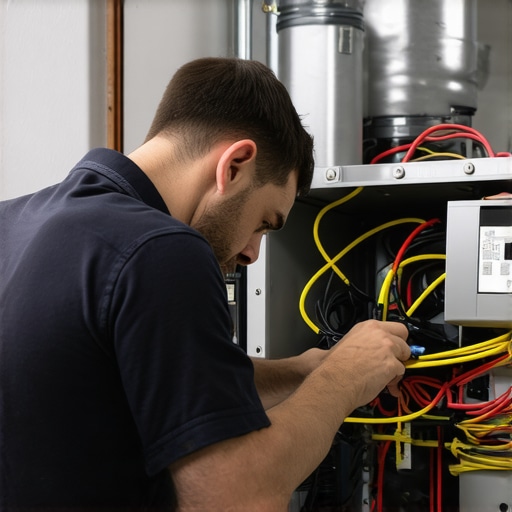
Regularly updating and calibrating your thermostat ensures consistent comfort and efficiency throughout the winter months.
Schedule Professional Maintenance at Least Once Annually
Despite my DIY efforts, I learned the importance of professional inspections. Last fall, a technician identified a refrigerant pressure issue I missed, preventing a potential breakdown when cold weather hit. Certified HVAC technicians have the tools and expertise to catch hidden problems and perform detailed cleaning and adjustments. Scheduling annual tune-ups for your furnace, heat pump, or mini-split guarantees peak efficiency and long-term reliability. Prioritize this step every year to keep your system in prime condition.
Understand When to Call a Professional
If your system makes new strange noises, odorous emissions, or fails to respond to thermostat adjustments, it’s time to seek expert help. Familiarize yourself with troubleshooting tips, like those at Mini-split troubleshooting, so you know when DIY ends and professional repair begins. Prompt professional intervention can save you money and prevent minor issues from turning into full system failures.
Many homeowners believe that regular scheduling and basic checks are enough to keep their heating and cooling systems in top shape. However, the real mastery of HVAC repair lies in understanding nuances that are often overlooked. For instance, a common myth is that a simple filter change solves all efficiency issues. In my experience, issues like refrigerant overcharge or improper airflow require professional diagnostics to prevent long-term damage. Over time, neglecting small signs—like slight fluctuations in temperature or minor noise—can lead to major breakdowns, especially with complex systems like heat pumps. Advances in HVAC technology, such as variable-speed compressors, mean that the margin for error is smaller than ever. According to engineering experts at the Department of Energy, overly simplistic maintenance routines ignore system-specific needs, which can reduce lifespan and increase energy bills. Instead, homeowners should adopt a calibrated approach, focusing on detailed inspections, proper refrigerant management, and understanding equipment load demands.
Are DIY Fixes a Double-Edged Sword in HVAC Maintenance?
While some tasks like filter replacement are safe for DIY, attempting to diagnose refrigerant leaks or electrical issues without proper training can cause more harm than good. Improper handling of refrigerants not only risks voiding warranties but also poses environmental hazards, as per EPA guidelines. Furthermore, misdiagnosing issues often results in unnecessary part replacements, making repairs more costly than they need to be. It’s worth noting that many professional services offer comprehensive assessments that include system calibration and efficiency optimization—an area where many DIY methods fall short. To ensure your system’s longevity, consider consulting trusted sources like this [ultimate guide to heat pump maintenance and repairs](https://chillyprohvac.com/ultimate-guide-to-heat-pump-maintenance-and-repairs). Have you ever fallen into this trap? Let me know in the comments.Maintaining your HVAC system over time requires not just knowledge but also the right tools to ensure efficiency and longevity. I personally rely on a few key pieces of equipment that make diagnostics and repairs both safer and more precise. First, I always keep a high-quality clamp meter on hand. This device allows me to quickly measure electrical current without disconnecting wires, which is crucial when checking system components like motors and capacitors. I prefer a clamp meter with true RMS capability, such as the Fluke 323, because it provides accurate readings even with complex waveforms common in HVAC systems. Second, a digital manometer is indispensable for diagnosing refrigerant pressure issues, especially on heat pumps and mini-splits. I use the Fieldpiece SM380V for its versatility and ease of use, which helps me identify leaks or improper charge levels efficiently. Beyond hardware, software tools like HVAC-specific diagnostic apps sync with Bluetooth-enabled sensors, providing real-time data analysis—this is where the future is heading for smarter repairs in 2024. For example, Fluke’s SmartView software integrates with diagnostic sensors to offer detailed analysis, reducing troubleshooting time significantly. Regular calibration of these tools ensures long-term accuracy, which I recommend scheduling every six months based on usage and manufacturer guidelines. Keep a detailed log of tool calibrations and repair outcomes; this habit enhances your diagnostic accuracy over time. Looking ahead, automation and AI-driven diagnostics are becoming more accessible for homeowners who want to handle routine checks themselves—think of it as having an expert on your side. To effectively maintain your system over the years, I advise adopting a scheduled inspection routine that incorporates these tools, combined with professional consultations when necessary. For deeper insights and step-by-step tutorials, visit the [ultimate guide to heat pump maintenance and repairs](https://chillyprohvac.com/ultimate-guide-to-heat-pump-maintenance-and-repairs). I challenge you to try integrating a digital manometer into your next maintenance session; you might be surprised at how much more precise your diagnostics become, saving you time and money in the long run.
Lessons That Changed My Approach to HVAC Repair
One of the biggest realizations I had was how small adjustments, like paying close attention to refrigerant levels or duct sealing, can have an outsized impact on efficiency and longevity. It’s tempting to believe that DIY fixes are all you need, but I learned that knowing when to call in professionals saves time, money, and prevents costly mistakes. I once tried to diagnose a tricky heat pump issue myself, only to make it worse—trust me, experience and proper tools matter. The lesson: develop a solid understanding, but never hesitate to seek expert help for complex problems. This balanced approach has been my biggest game-changer in maintaining a warm, worry-free home.
Tools and Resources That Truly Made a Difference
After years of hands-on repairs, I found that some tools are worth every penny. A high-quality clamp meter, like the Fluke 323, allows me to detect electrical issues swiftly without risking damage. A reliable digital manometer helps me accurately diagnose refrigerant pressures, preventing unnecessary part replacements. For comprehensive guidance, I frequently turn to the ultimate guide to heat pump maintenance and repairs—it’s packed with insights that keep my system running smoothly. Combining these tools with expert advice means I stay ahead of problems before they escalate, ensuring comfort and savings all winter long.
Take Action and Keep Your home Cozy and Efficient
The key to a warm winter isn’t just luck, but proactively applying what you’ve learned about HVAC maintenance. Start with regular inspections, sealing leaks, and scheduling professional tune-ups. Embrace the technology available—smart thermostats, diagnostic apps—to optimize your system. Remember, the effort now prevents cold mornings and surprise breakdowns later. I encourage you: take the first step today, and your future self will thank you for a stress-free, cozy home during even the coldest months. Let’s make this winter the warmest one yet—are you ready to take control of your home comfort?