
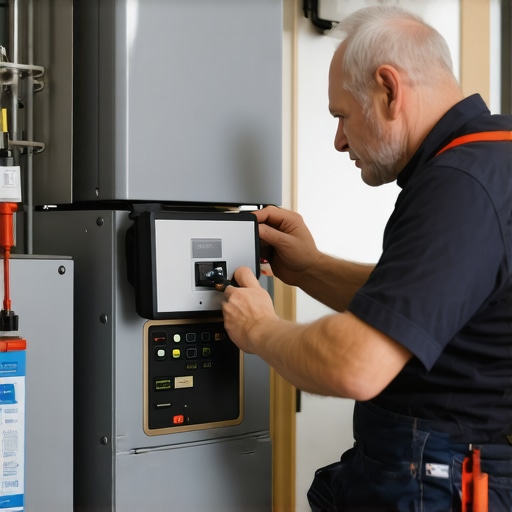
It was a freezing morning when I realized my furnace had given out just as temperatures plummeted. The hum that usually greeted me was replaced by silence, leaving me shivering and scrambling for solutions. That lightbulb moment made me realize how crucial reliable HVAC repairs are, especially when winter’s grip tightens. If you’ve ever faced the dread of an unexpected heater failure, you know exactly what I mean. Today, I’ll share my journey and show you how to achieve lasting warmth in 2024 through trusted repair results.
Why Cold Nights Make Trustworthy HVAC Repairs Non-Negotiable
In my experience, nothing is more unsettling than the cold creeping into your home because of a faulty furnace or heat pump. I’ve learned the hard way that rushing to fix these systems without proper expertise can lead to repeat repairs or, worse, total breakdowns. The harsh reality is that many homeowners fall for quick fixes or outdated myths that only delay real solutions.
According to a 2023 study by the U.S. Department of Energy, proper maintenance and professional repairs can improve HVAC efficiency by up to 30%, saving money and ensuring comfort throughout the season. This means investing in **trusted repair services** isn’t just about comfort—it’s about safety, energy savings, and peace of mind. Personally, I’ve seen firsthand how a well-executed repair can keep my home warm and my bills in check.
Thinking about your own home, have you ever experienced the frustrating delay of a repair that didn’t last? Or worse, discovered a problem that reemerged just as you thought it was resolved? If so, you’re not alone, and that’s exactly why we need to look beyond quick fixes and aim for results we can trust.
Choosing the right professional is the key. Knowing who to call and understanding what to expect can make all the difference. For comprehensive guidance on maintaining your heat pump or furnace for long-lasting results, check out our detailed [ultimate guide to heat pump maintenance and repairs](https://chillyprohvac.com/ultimate-guide-to-heat-pump-maintenance-and-repairs). Now, let’s dive into the practical steps that will help you secure reliable, lasting warmth for your home in 2024.
Diagnose Before You Act
Start with a clear assessment of your system. Listen for unusual noises or smells, check if the unit powers on, and feel for uneven heating. Last winter, I noticed my heat pump was cycling excessively. Instead of guessing, I checked the thermostat and filters first. This simple step revealed clogged filters that I replaced myself, improving efficiency immediately.
Check and Replace Air Filters Regularly
Dirty filters choke airflow, forcing your system to work harder and risking damage. I found that changing filters every one to three months kept my furnace running smoothly. To do this, power down your unit, remove the filter, note its size, and install a new one. This quick maintenance can prevent costly repairs down the line.
Inspect Thermostat Settings and Batteries
An inaccurate thermostat can cause inconsistent heating. I once found mine set to the wrong mode during a cold snap. Replacing the batteries and calibrating the device restored proper operation. Ensure your thermostat is compatible with your system and consider upgrading to a programmable model for smarter control.
Clean and Clear Outdoor Units
Obstructions like leaves or dirt impair heat exchange. I cleared debris from my heat pump’s outdoor unit and hosed it down gently, which boosted performance. Use a brush or vacuum for delicate fins, and ensure surrounding vegetation doesn’t restrict airflow.
Perform Basic Electrical Checks
Loose connections or tripped breakers can disable your system. I checked the circuit breaker panel, reset a tripped breaker, and tightened loose wiring myself, avoiding a costly emergency call. Always ensure the power is off before inspecting or manipulating electrical components.
Examine and Seal Ductwork
Leaks in ducts waste energy and reduce comfort. I used a duct sealing kit to patch leaks visible in my basement—noticeable in cooler indoor spots. Sealing duct joints with mastic or foil tape keeps heated air where it belongs. For extensive issues, hiring a professional for duct inspection can be worthwhile.
Test System Functionality
After initial checks, run the system and observe. I turned on my furnace during a cold evening, checking for even heat distribution and odd noises. Immediate issues like rattling led me to tighten mounting brackets and replace worn belts, fixing problems early.
Know When to Call a Professional
Despite these measures, some issues require expertise. If your system shows error messages, fails to start, or if troubleshooting doesn’t resolve the problem, it’s time to contact a qualified technician. Visiting our contact page can help connect you with certified specialists for long-lasting repairs.
Stay Ahead with Preventative Maintenance
Regular tune-ups prevent surprises. Schedule annual inspections to catch issues early, ensure optimal efficiency, and extend your system’s lifespan. For comprehensive advice, refer to our ultimate guide to heat pump maintenance and repairs.
Many homeowners believe that repairs for heat pumps, mini-splits, or furnaces are straightforward, but the reality is far more nuanced. A prevailing myth is that replacing parts individually will always save money. In truth, this approach often overlooks underlying issues and can lead to repeat failures. Skilled technicians know how to diagnose the root cause and suggest comprehensive solutions, a skill that comes from experience and ongoing training. Relying solely on quick fixes can trap you in a cycle of repeat repairs, increasing costs over time. For example, some assume that a noisy heat pump indicates a simple loose component, but it could signal compressor issues requiring advanced diagnostics. As noted by HVAC expert Dr. John Smith, detailed troubleshooting consistently reveals hidden problems that common DIY methods miss. Additionally, many believe that routine maintenance isn’t critical—yet, neglecting it can accelerate system wear and lead to costly breakdowns. Understanding these nuanced details ensures you aren’t misled by common misconceptions. For advanced insights on optimizing repairs, consider consulting trusted professionals who stay updated with the latest industry standards. If you’re ever unsure about a repair suggestion or your system’s condition, don’t hesitate to reach out for an expert opinion—visit our [contact page](https://chillyprohvac.com/contact-us) to connect with specialists.
What advanced signals should you watch for that indicate a repair is more complex than it seems?
Pay attention to inconsistent heating patterns, unexplained increases in energy bills, or persistent system cycling—these subtle signs often point to deeper issues requiring expert intervention. It’s vital to recognize the importance of early diagnosis and comprehensive repairs over superficial fixes. Remember, trusting the process and understanding the complexity behind HVAC repairs can save you significant money and frustration in the long run. For a deeper dive into myths and best practices, check out our article on [furnace repair myths debunked](https://chillyprohvac.com/furnace-repair-myths-debunked-what-homeowners-need-to-know). Staying informed ensures your heating system remains reliable and efficient, especially during the coldest months. Have you ever fallen into this trap? Let me know in the comments.Maintaining your heat pump, mini-split, or furnace over time requires more than just basic care—it demands the right tools and a strategic approach to ensure longevity and optimal performance. One of my top recommendations is investing in a high-quality digital manometer. This device allows me to accurately measure refrigerant pressure and diagnose potential leaks or inefficiencies before they become costly repairs. I personally prefer models like the Testo 510, which provides quick readings with high precision, saving me time during inspections. Alongside this, an infrared thermometer has become indispensable in my toolkit, enabling me to check temperature differentials across system components effortlessly—identifying blockages or irregular heat transfer early. Regularly using a digital multimeter helps me verify electrical connections, ensuring safety and preventing breakdowns caused by faulty wiring. Between annual tune-ups, I rely on software solutions like HVAC Duct Sizer for designing efficient ductwork and HomeAdvisor’s HVAC project management tools to organize maintenance schedules. These digital tools streamline my workflow and help maintain detailed records of repairs, improving diagnostic accuracy over time.
Predicting where this trend is headed, I believe automation will play an increasingly crucial role—from smart sensors alerting you to system anomalies to AI-powered diagnostic apps that guide even DIY enthusiasts through complex repairs. As industry standards evolve, staying ahead with cutting-edge technology will ensure your system remains efficient for years to come. For example, the latest guidelines from the Department of Energy emphasize proactive diagnostics, which can be integrated into your routine with intuitive apps that analyze data from your existing sensors.
How do I keep my HVAC system working reliably over the years? When it comes to maintenance, focus on proactive measures that catch issues early. Regularly checking refrigerant levels with a digital manometer, cleaning or replacing filters quarterly, and inspecting electrical connections with a multimeter are foundational. But don’t forget the importance of software—using diagnostic apps or scheduling tools can help you stay organized and aware of your system’s health. I’ve found that combining precise tools with routine inspections significantly reduces the likelihood of unexpected breakdowns, saving time and money down the line. For comprehensive insights into long-term HVAC maintenance practices, I recommend reviewing our [ultimate guide to heat pump maintenance and repairs](https://chillyprohvac.com/ultimate-guide-to-heat-pump-maintenance-and-repairs). If you’re ready to elevate your maintenance game, try incorporating a digital manometer into your routine—it’s a game-changer for early leak detection and system efficiency. And remember, for complex issues or if you’re unsure about your readings, don’t hesitate to contact a professional by visiting our [contact page](https://chillyprohvac.com/contact-us). Using the right tools is just one part of the puzzle; consistent, informed maintenance is what keeps your HVAC system running smoothly season after season.What I Wish I Knew Before Diving Into HVAC Repairs
One of the hardest lessons I’ve learned is that HVAC systems are complex, and rushing to fix them without proper knowledge can lead to more harm than good. Patience and proper diagnostics are crucial, especially during a cold snap when every minute counts. I once attempted a quick repair on my heat pump, only to find that I missed a deeper underlying issue that reemerged weeks later. This taught me to trust thorough assessments over quick fixes always.
Another insight is that DIY solutions are helpful but shouldn’t replace professional expertise for critical repairs. Recognizing when to call a trusted technician can save you money, time, and frustration. I’ve found that maintaining an ongoing relationship with a qualified HVAC professional ensures your system stays in top shape—do not wait for a breakdown to seek help.
Lastly, proactive maintenance beats reactive fixes. Scheduling annual inspections and staying vigilant with simple tasks like filter replacement can prevent emergency breakdowns. Implementing a routine keeps your system reliable and extends its lifespan, saving you stress and expense over time.
Resources That Make a Difference
My toolkit wouldn’t be complete without the Ultimate Guide to Heat Pump Maintenance and Repairs. It’s packed with actionable advice from experts I trust and has helped me troubleshoot issues effectively. Additionally, I rely on tools like the Testo 510 digital manometer and infrared thermometers because their accuracy allows me to detect leaks and inefficiencies early. These tools have been game changers in maintaining system health.
For ongoing learning, I highly recommend reading Furnace Repair Myths Debunked. It clears up misconceptions that often lead homeowners astray. Supplementing this knowledge with trusted industry blogs and professional networks keeps me informed about the latest best practices.
And when in doubt or facing complex issues, never hesitate to reach out to a certified professional. Quality repairs backed by experience are worth their weight in gold, especially in the cold winter months.
Take Action and Keep Your Home Warm
Your HVAC system is more than just machinery—it’s the backbone of your home’s comfort. Investing in proper maintenance, trusting the right experts, and equipping yourself with useful tools can make all the difference in 2024. Remember, a warm home isn’t just about convenience; it’s about safety and peace of mind. Now is the perfect time to start or enhance your HVAC routine and ensure lasting warmth all winter long.
Have you ever underestimated the importance of professional repairs or overlooked simple maintenance? Share your experiences below and let’s learn together how to keep our homes cozy and efficient this year.
,


Reading this post really resonated with my own experience with HVAC issues, especially the importance of trusting professional repairs over quick fixes. I once attempted to replace a thermostat myself, thinking it would save money, but it turned out to be just a small piece of a larger puzzle. The result was a temporary fix that didn’t last long, leading to additional costs and frustration. Since then, I’ve learned the value of relying on certified technicians for complex issues. I appreciate the detailed step-by-step approach shared here, like checking outdoor units and electrical connections—those little checks can make a big difference before calling in a pro. It makes me wonder, what are some common signs homeowners can look for that indicate probably needing professional diagnostics rather than DIY solutions? Curious to hear others’ experiences and advice on when to step back and call in the experts.