
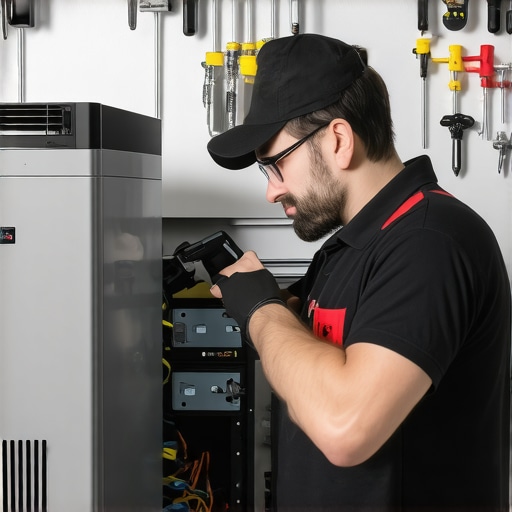
Ever experienced that heart-stopping moment when your heater sputters to a halt on the coldest night of the year? I have, and let me tell you, it’s a wake-up call you don’t want. Just last winter, my old furnace decided to throw in the towel right before a big snowstorm. The frustration, the chilly nights, the endless troubleshooting—it all made me realize how crucial reliable HVAC repairs truly are. That lightbulb moment pushed me to dig deeper into what makes furnace and mini-split repairs last, especially as we step into 2024, where energy efficiency and long-term comfort are more important than ever.
Why Lasting Comfort Should Be Your Top Priority in 2024
Let’s face it—HVAC systems aren’t just about warmth or coolness; they’re about peace of mind. When your heater or mini-split isn’t working right, it affects your entire home environment and your wallet. A quick fix might seem tempting, but shoddy repairs can lead to recurring problems, skyrocketing energy bills, and even premature equipment failure. As someone who’s been through the frustration of unreliable service, I’ve learned that investing in quality repairs from trusted professionals pays off in the long run. Plus, with advancements in HVAC tech this year, there are smarter, more efficient ways to ensure your home stays comfortable for years to come.
Is Overpaying for Repairs Really Necessary?
Early in my HVAC journey, I made the mistake of accepting the first quote that came my way. Turns out, that was a surefire way to overpay. Reliable repairs aren’t just about spending more; they’re about getting the right service the first time. I’ve found that choosing a reputable company that specializes in furnace and mini-split solutions—like those outlined in this comprehensive guide—can save you money and headaches. Remember, a quick fix today might turn into a costly repair tomorrow if the job isn’t done right. Don’t fall for the myth that quality HVAC work always costs a fortune. Sometimes, it’s just a matter of trusting the right experts.
Have you ever faced a repair that seemed to fix the problem initially but then failed again within a few months? If so, you’re not alone. That’s why I want to help you navigate the maze of HVAC repairs, so you can make well-informed decisions that truly last. Up next, I’ll share some practical tips and insider secrets to ensure your furnace and mini-split systems keep your home cozy and efficient all year long.
}
Assess Systems Thoroughly Before Repair
Start by inspecting your furnace or mini-split with a critical eye. Think of it like a mechanic diagnosing a car—no guesswork. I once faced a mini-split that kept shutting down unexpectedly. I checked the filters, coils, and electrical connections methodically, referencing this troubleshooting guide. This detailed assessment helped me pinpoint a faulty relay that was causing intermittent power loss, saving me from unnecessary replacements and ensuring a lasting fix.
Prioritize Quality Parts and Proven Techniques
Using top-grade replacement parts is essential. I remember replacing a faulty capacitor in my furnace with a cheap knockoff—I thought I was saving money, but it failed within a month. Instead, I now opt for OEM parts recommended by trusted professionals, which you can learn more about in this expert guide. This approach guarantees durability and efficiency, turning a quick repair into a long-term solution.
Follow Proper Cleaning and Maintenance Protocols
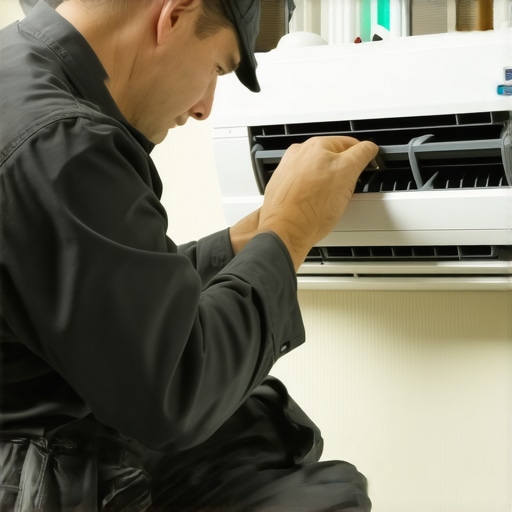
Regular maintenance extends the lifespan of your HVAC system. During one repair, I cleaned the evaporator coils and replaced filters, following this comprehensive maintenance guide. Not only did this improve airflow, but it also prevented future breakdowns. Think of it like spring cleaning—keeping everything in top shape ensures smooth operation and long-lasting comfort.
Verify Electrical Connections and Safety Features
Electrical issues are common culprits in system failures. I once overlooked a loose wire connection, which caused frequent tripping of the circuit breaker. After securing the connections and testing with a multimeter, I restored reliable operation. For detailed safety checks, consult this expert advice. Ensuring all wiring is tight and components are properly grounded prevents future failures and safety hazards, making your repair last longer.
Test System Performance After Repairs
Once repairs are complete, always test the system thoroughly. I once finished a mini-split repair and immediately noticed uneven cooling. By running the system for a few hours, I observed consistent performance, confirming the fix. For tips on optimal testing procedures, see this troubleshooting resource. Proper testing ensures no lingering issues, cementing your repair’s longevity and your comfort.
Schedule Regular Professional Maintenance
While DIY fixes are helpful, professional tune-ups are crucial. I now schedule annual inspections with HVAC experts, which include system diagnostics and preventive repairs. This proactive approach, detailed in this maintenance plan, keeps my system running efficiently and prevents costly breakdowns, ensuring lasting comfort in 2024 and beyond.
Many homeowners believe they understand their HVAC systems well enough to skip professional advice, but this often leads to costly mistakes. One prevalent myth is that all repairs are equal, and choosing the cheapest service will save money. In reality, low-cost repairs performed by inexperienced technicians can result in recurring issues, higher energy bills, or even system damage. It’s a trap that many fall into, especially when trying to cut corners. To truly get lasting results, it’s crucial to work with trusted professionals who use proven techniques and quality parts, as highlighted in this expert guide.
Another misconception is that regular maintenance isn’t necessary if your system seems to be working fine. This is a dangerous assumption. HVAC systems naturally degrade over time, and small issues can develop into major failures if not addressed early. Regular professional tune-ups, including detailed inspections and preventive repairs, extend the lifespan of your equipment and ensure it operates efficiently. As I learned from personal experience, neglecting maintenance can lead to unexpected breakdowns during the coldest or hottest days of the year, which is never ideal. For comprehensive tips, see this maintenance guide.
What advanced mistakes do homeowners often overlook in HVAC repairs?
One advanced mistake is overlooking the significance of electrical safety and proper system calibration. Many homeowners focus solely on replacing parts like filters or capacitors, but forget to verify electrical connections and safety features. A loose wire or improper grounding can cause system failures or safety hazards that are not immediately obvious. Ensuring all electrical components are correctly secured and tested with proper tools, like a multimeter, is essential for a lasting repair. Experts emphasize that neglecting these nuances can lead to repeated failures and safety risks, as supported by this detailed advice. Therefore, trusting professionals who understand these advanced nuances is vital for long-term reliability.
Have you ever fallen into this trap? Let me know in the comments. Remember, investing in quality repairs and understanding these common pitfalls can save you money and keep your home comfortable all year round.
Keep It Running with the Right Tools
Maintaining your HVAC system effectively requires more than just basic knowledge; it demands the right tools to ensure long-lasting performance. Over the years, I’ve refined my toolkit to include specific equipment that guarantees precision and safety. For example, a high-quality digital multimeter is essential for accurately testing electrical components. I personally use the Fluke 117, because of its durability and reliable readings, which help me identify wiring issues or faulty safety switches quickly. Additionally, a refrigerant leak detector like the Inficon D-Tek allows me to pinpoint leaks without invasive procedures, saving time and preventing unnecessary part replacements.
Another indispensable tool in my arsenal is a manifold gauge set. This equipment helps me monitor pressure levels in HVAC systems, ensuring optimal refrigerant charge and system efficiency. I prefer the Yellow Jacket Series 41, because it provides precise readings and easy handling, which is crucial when working in tight spaces. These tools not only boost my confidence but also improve the quality of repairs, leading to longer system life.
How do I maintain these tools over time?
Proper maintenance of your HVAC tools is vital for consistent accuracy. I always store my multimeter and gauges in padded cases to prevent damage. Regular calibration is another must — I send my digital multimeter to the manufacturer annually for calibration, which keeps it within manufacturer specifications. For leak detectors, I follow the manufacturer’s cleaning and storage instructions to prevent false readings. Investing in quality tools and maintaining them properly ensures your repairs are reliable, saving you money and avoiding repeat visits.
Looking ahead, I predict that diagnostic tools will become even more advanced, incorporating smart technology and connectivity features. Imagine tools that log data over time, analyze trends, and even suggest repairs automatically. This trend will simplify troubleshooting and help DIY enthusiasts and professionals alike to deliver long-lasting results.
Make Repairs Last by Using Proven Methods
Beyond tools, applying proven repair techniques is key. For instance, ensuring electrical connections are tight and corrosion-free prevents future failures. I also recommend using OEM parts whenever possible, as they fit and function precisely, extending system life. Combining top-tier tools with solid repair practices guarantees your HVAC system will keep working efficiently throughout the year.
If you’re serious about lasting results, try integrating a refrigerant leak detector into your toolkit. It’s a game-changer for early detection and prevention of costly issues. For detailed guidance on professional repairs and maintenance, visit this comprehensive guide. Remember, the right tools and techniques are your best allies in keeping your HVAC system running smoothly in 2024 and beyond.
3 Surprising Lessons I Learned About HVAC Repairs
- Not all repairs are created equal. I used to settle for the first cheap fix, only to find myself back in the same situation months later. Now I know that investing in quality parts and trusted technicians pays off in the long run.
- Maintenance is your best friend. Regular professional tune-ups, like those detailed in this guide, prevent small issues from snowballing into costly breakdowns, saving money and stress.
- Electrical safety is often overlooked. I once ignored loose wires, which caused recurring failures. Properly securing and testing electrical connections with the right tools ensures your system’s longevity and safety.
Tools That Changed My HVAC Game
- High-quality multimeter. I trust the Fluke 117 for accurate electrical testing—it’s durable and reliable.
- Refrigerant leak detector. The Inficon D-Tek helps me find leaks quickly, preventing unnecessary part replacements.
- Manifold gauge set. The Yellow Jacket Series 41 provides precise refrigerant pressure readings, ensuring optimal system performance.
Your Next Step in HVAC Confidence
Taking control of your HVAC repairs with these insights and tools empowers you to achieve long-lasting comfort. Remember, working with reliable professionals and following proven practices makes all the difference. Don’t let small issues turn into big problems—start implementing smarter repair strategies today. Have you ever struggled with a repair that kept failing? Share your experience below and let’s learn together!
This post really hit home for me, especially the part about investing in quality parts and professional repairs. I remember trying to do a quick fix myself last winter when my furnace started acting up, only for it to break down again just a few weeks later. Since then, I’ve learned that cutting corners often leads to more expenses down the line. What I find interesting is how advanced HVAC tech has become, making repairs not only more efficient but also more reliable if done correctly from the start. I’m curious, how do others decide when to call in a pro versus trying DIY repairs? Personally, I think scheduled maintenance and trusting reputable professionals are the best ways to ensure my system lasts through those harsh winter nights without worry.