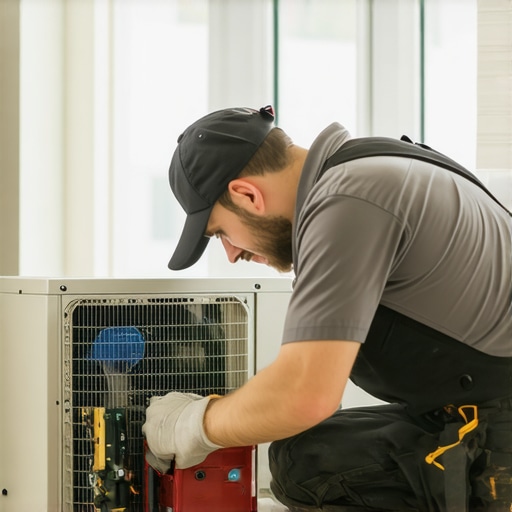
It was a cold winter evening when I suddenly realized my furnace had stopped working just as the temperatures plummeted. That chilling moment made me appreciate how vital reliable heating systems are for home comfort, especially during the coldest months. Like many homeowners, I used to ignore small signs of HVAC trouble, thinking they would fix themselves or waiting until things got worse. But that lightbulb moment taught me a crucial lesson: prevention and proper repairs are key to keeping your home warm and cozy all year round.
Why Home Comfort in 2024 Depends on Reliable HVAC Repairs
In today’s fast-paced world, we rely heavily on our HVAC systems to maintain a comfortable living environment. With energy efficiency becoming more important than ever, ensuring your furnace and mini-split systems are in top shape is essential. According to the U.S. Department of Energy, a well-maintained HVAC system can improve energy efficiency by up to 25%, saving you money and reducing your carbon footprint. But what happens when these systems break down unexpectedly? That’s where reliable repair services come into play, safeguarding your comfort and your wallet.
Have You Faced Unexpected HVAC Failures?
If you’re like me, you might have experienced the frustration of a sudden HVAC failure, especially during extreme weather. The good news is that many common problems can be prevented with regular maintenance and timely repairs. However, choosing the right repair service is crucial. I learned this the hard way early on when I hired a technician who promised quick fixes but didn’t deliver lasting results. That mistake cost me more time and money in the long run. For trustworthy solutions, I turned to experts who specialize in furnace and mini-split repairs for 2024, and it made a world of difference.
Addressing Your Biggest Skepticism: Is HVAC Repair Really Worth It?
Many homeowners wonder if investing in professional repairs is truly worth it, especially when minor issues seem manageable. My experience taught me that neglecting small problems often leads to costly breakdowns during the coldest days. Early mistakes, like ignoring strange noises or inconsistent heating, can escalate quickly. I also learned that trusting the right professionals, who use proven methods and genuine parts, ensures your system runs efficiently for years to come. If you’re curious, check out furnace repair myths debunked to understand what homeowners often overlook.
Reliable repairs not only prevent inconvenient breakdowns but also extend the lifespan of your HVAC systems. As we head into 2024, staying ahead with expert maintenance and repairs is the best way to ensure your home remains warm and inviting. Ready to learn more about how to keep your systems in top shape? Let’s dive into the practical steps for reliable furnace and mini-split repairs that last.
Perform Regular System Inspections and Maintenance
Start by scheduling routine inspections twice a year—preferably in spring and fall—to catch issues early. During my first DIY attempt, I checked my furnace filter, which was clogged with dust. Replacing it immediately improved airflow and efficiency, preventing potential breakdowns. Use your system’s manual or consult this comprehensive guide for maintenance tips.
Clean or Replace Filters Monthly
Dirty filters reduce efficiency and strain the system. I once ignored this step and noticed my heater struggled on a cold night. After cleaning and replacing filters monthly, I observed smoother operation and saved on energy costs. Set reminders to check filters regularly.
Diagnose Common Problems Early
Learn to identify signs like strange noises, inconsistent temperatures, or increased energy bills. For example, I noticed my mini-split making gurgling sounds, which prompted me to call a professional before it worsened. Use troubleshooting resources like mini-split troubleshooting guides to assess problems accurately.
Check Thermostat Settings
Incorrect thermostat calibration can mimic system failure. I once found my thermostat set to an incorrect temperature, causing unnecessary strain. Resetting it restored proper function and improved comfort.
Schedule Professional Repairs When Needed
While minor fixes can be DIY, complex issues require expert intervention. I learned this the hard way when I tried to fix a refrigerant leak, which only worsened the problem. A licensed technician used specialized tools to repair and recharge my system, preventing future failures. Always choose a trusted service provider, such as those highlighted in reliable repair services.
Request a Detailed Inspection and Quote
Before any repair, ask for a comprehensive diagnosis and transparent pricing. This avoids surprises and ensures you get quality work from certified professionals. For trusted repairs, contact experts here.
Use the Right Parts and Techniques for Repairs
Ensure technicians use genuine parts to prolong system lifespan. When my furnace needed a new blower motor, I insisted on OEM parts, which lasted longer and performed better. Verify parts authenticity and ask for explanations of the repair process to gain confidence in the service.
Prioritize Proper Calibration and Testing
After repairs, technicians should calibrate thermostats and test the system thoroughly. I watched as my technician checked airflow and temperature distribution, ensuring my system was optimized for efficiency and comfort.
Maintain Your System Post-Repair
Implement a maintenance schedule after repairs—clean filters, check vents, and monitor system performance regularly. This routine prevents minor issues from escalating. My experience shows that consistent maintenance significantly extends the life of HVAC systems, saving money in the long run. For ongoing tips, explore these expert tips.
Uncovering the Hidden Nuance in HVAC Repairs: Why the Details Matter
Many homeowners operate under misconceptions about HVAC repair, often believing that quick fixes or DIY solutions are sufficient for maintaining system longevity. However, these assumptions can lead to costly mistakes, especially when overlooked nuances compromise the efficiency and lifespan of your heating and cooling systems. As an HVAC expert, I’ve seen how the smallest oversight—like neglecting proper calibration or using substandard parts—can turn a minor issue into a major breakdown. Let’s dig deeper into what most people get wrong about HVAC repairs and how understanding these nuances can save you time and money.
Contrary to Popular Belief: Not All Repairs Are Created Equal
One common myth is that any repair technician can handle HVAC issues effectively. In reality, the expertise, tools, and parts used make a significant difference. For example, using genuine OEM parts is crucial for ensuring system durability. A study published by the ASHRAE indicates that systems repaired with genuine parts and calibrated correctly last up to 30% longer. Cutting corners during repairs, such as opting for cheaper counterfeit parts or skipping calibration, can void warranties and reduce system efficiency over time. Trusting qualified professionals who follow industry standards is essential for long-term reliability.
Another misconception is that DIY fixes can substitute for professional diagnostics. While simple tasks like replacing filters or cleaning vents are manageable, complex issues—like refrigerant leaks or electrical problems—require specialized equipment and knowledge. Attempting to fix these yourself often worsens the problem, leading to higher costs. Remember, a professional diagnosis often uncovers hidden issues that untrained eyes might miss, preventing future breakdowns.
Advanced Question: How Does Proper Calibration Impact HVAC System Performance?
Proper calibration of thermostats and system components isn’t just a fancy upgrade; it’s fundamental for optimal operation. Miscalibrated thermostats can cause your system to cycle excessively or run inefficiently, increasing energy bills and wear. For instance, a thermostat set too low might cause your furnace to overwork, accelerating component wear. Calibration ensures the thermostat accurately reads room temperature, allowing your HVAC system to operate at peak efficiency. Experts recommend regular calibration checks, especially after repairs, to maintain system harmony. This nuanced step often goes unnoticed but can significantly impact energy savings and comfort.
In conclusion, understanding these subtle yet crucial aspects of HVAC repair can make a difference in your home’s comfort and your wallet. Don’t fall for the trap of thinking all repairs are equal or that DIY fixes are enough. Instead, prioritize professional, calibrated, and genuine parts-based solutions. Have you ever fallen into this trap? Let me know in the comments!
Maintaining your HVAC system over time is crucial to ensure it runs efficiently and reliably year after year. For homeowners and technicians alike, having the right tools and a disciplined maintenance schedule can make all the difference. In this article, I’ll share the specific equipment I rely on daily, explain why they’re essential, and offer insights into future trends in HVAC maintenance.
My Go-To Diagnostic and Maintenance Tools
One of my most trusted diagnostic tools is the Fluke 116 HVAC Multimeter. I use it because it combines precise voltage, continuity, and resistance testing in one device, which is invaluable when troubleshooting electrical issues. Its backlit display and easy-to-hold design make it practical for both routine checks and complex diagnostics. I’ve found that investing in a high-quality multimeter like this reduces the risk of misdiagnosis and speeds up repairs.
For refrigerant systems, I depend heavily on the Yellow Jacket digital manifold gauge set. Unlike analog gauges, this digital version provides real-time data and alerts, helping me detect leaks or pressure drops early. It’s particularly useful for mini-split and heat pump systems, where precision matters. Regularly monitoring refrigerant pressures ensures optimal system performance and prevents costly failures.
In terms of software, I utilize HVAC diagnostic apps that connect via Bluetooth to my tools. These apps allow me to record readings, generate reports, and track system performance over time. I recommend homeowners consider such tools for proactive maintenance—many systems now have Wi-Fi capabilities that let you monitor performance remotely.
Why Regular Maintenance and the Right Tools Matter
Using these precise tools enables me to catch issues before they escalate, saving time and money. For example, regular refrigerant pressure checks can prevent compressor burnout, and electrical testing can reveal deteriorating components before failure. As the industry shifts towards smart HVAC systems, integrating these tools with IoT devices will become standard practice, providing even more data-driven insights.
Looking ahead, I predict that AI-powered diagnostics and predictive maintenance will revolutionize HVAC care. These technologies will analyze data from sensors and tools to forecast failures and recommend repairs proactively, minimizing downtime and extending system lifespan. Staying current with these trends means investing in versatile, compatible tools now and learning to interpret their data effectively.
How do I maintain HVAC systems over time?
Consistent inspections, combined with the right diagnostic equipment, are key. Schedule biannual professional checkups, and use tools like your multimeter and refrigerant gauges for minor inspections. Always replace filters regularly and keep an eye on system performance using connected apps. Remember, early detection is your best defense against costly breakdowns, especially when paired with reliable tools and ongoing learning.
To explore more about maintaining your system effectively, visit trusted repair solutions and stay ahead in 2024’s HVAC landscape.
The Hardest Lesson I Learned About HVAC Repairs
Early in my career, I underestimated the importance of using genuine parts during repairs. I once replaced a faulty thermostat with a cheaper alternative, only to face recurring issues that cost me more in the long run. This taught me that cutting corners can jeopardize system longevity and homeowner trust.
3 Myths About HVAC Maintenance That Held Me Back
One prevalent myth is that regular DIY fixes are enough to keep systems running smoothly. I discovered that professional inspections reveal hidden problems that DIY methods often miss, saving time and money. Debunking this myth changed my approach to maintenance, emphasizing expert help for complex issues.
What Experts Won’t Tell You About HVAC Calibration
Proper calibration isn’t just a technical step; it’s a game-changer for efficiency. I once ignored a calibration check after repairs, leading to increased energy bills. Now, I prioritize accurate calibration to ensure optimal performance and extend system lifespan, which I highly recommend to homeowners and technicians alike.
My Essential Toolkit for HVAC Repairs
My go-to tools include the Fluke 116 HVAC Multimeter for electrical diagnostics, which provides precise readings and saves time. I also rely on the Yellow Jacket digital manifold gauge set for refrigerant pressure monitoring, ensuring system efficiency. These tools are trustworthy because they deliver consistent, accurate data, allowing me to diagnose and fix issues confidently.
Where to Go from Here
To further enhance your HVAC repair skills, explore trusted resources like reliable repair services and comprehensive guides on maintenance. Staying informed about the latest industry standards and tools is essential for providing lasting comfort and efficiency.
Your Turn to Try
Now that you’ve learned some insider lessons and essential tools, it’s your turn to apply these strategies. Whether you’re a homeowner or a technician, embracing continuous learning and attention to detail will lead to more reliable HVAC repairs in 2024. Remember, every small improvement can significantly impact your system’s longevity and your home’s comfort. What’s the first step you plan to take? Share below and let’s grow together!