
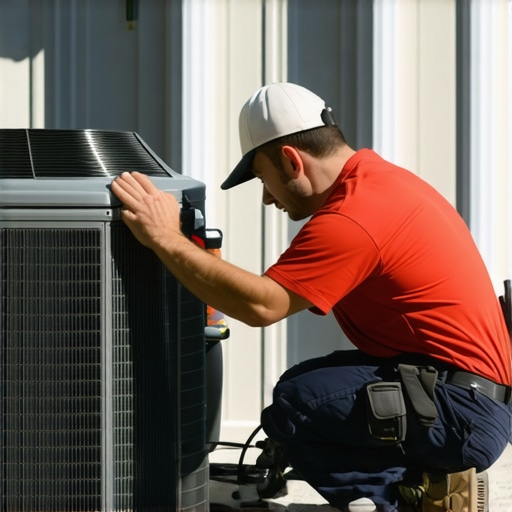
Ever had that sinking feeling when your furnace sputters to a halt on the coldest night of the year? I remember one winter, my old heater decided to give up just when I needed it the most. The chill crept in, and I was left scrambling for solutions. That moment was a real eye-opener about how crucial reliable HVAC repair truly is. If you’ve faced a similar scare, you’re not alone—and today, I promise to share how you can avoid that heart-stopping freeze-up with trustworthy furnace and heat pump services.
Why Choosing Dependable HVAC Repair Matters More Than Ever
In my experience, a reliable furnace or heat pump isn’t just about comfort—it’s about safety, peace of mind, and saving money in the long run. A poorly maintained system can lead to skyrocketing energy bills or, worse, dangerous carbon monoxide leaks. According to the U.S. Department of Energy, regular HVAC maintenance can improve efficiency by up to 30%, which means you get better warmth and lower costs. But even the best systems need expert help sometimes. That’s where trusted repair services come into play, preventing small issues from turning into costly disasters.
Will a quick fix really solve the problem?
Early on, I made the mistake of trying to patch my heater myself. It seemed simple enough—until it wasn’t. I ended up causing more damage and paying even more for emergency repairs. Trust me, when it comes to furnace or heat pump issues, calling in a professional is the wisest move. Reliable repair isn’t just about fixing what’s broken; it’s about ensuring your home stays warm and safe through the harshest seasons. Want to learn the secrets to choosing a trustworthy HVAC service? I’ve got you covered. Check out this guide for expert tips on boosting your system’s efficiency and reliability.
Start with a Precise Diagnosis
When my old heat pump started acting up last winter, I didn’t jump straight into repairs. Instead, I turned off the system and examined the symptoms carefully. I checked for unusual noises, inconsistent heating, or strange smells. Using a reliable troubleshooting guide, I identified whether the issue was a clogged filter, refrigerant leak, or faulty thermostat. This step is crucial because a clear diagnosis prevents unnecessary repairs and saves money. If you’re unsure, consult a professional through this contact page.
Gather Essential Tools and Parts
Once I knew what was wrong, I gathered all necessary tools—screwdrivers, multimeter, refrigerant gauges, and replacement parts. For example, replacing a worn capacitor in my furnace required a specific size and rating. Having the right tools makes the repair smoother and reduces the risk of damaging components. For detailed parts list and tips, check this comprehensive guide.
Follow a Step-by-Step Repair Process
I approached the repair systematically. For instance, when replacing a blower motor, I first turned off power, then carefully removed the panel, disconnected wiring, and installed the new motor. I double-checked connections before powering up. Think of your system like a complex puzzle—each piece has to fit perfectly. If you’re dealing with mini-split systems, troubleshooting might involve checking refrigerant levels or cleaning filters, which you can learn more about here.
Test and Verify the Repair
After completing the repair, I restored power and observed the system’s operation. I monitored for proper airflow, temperature consistency, and noise levels. If issues persisted, I revisited the troubleshooting steps or called a professional. Proper testing ensures the repair is durable and prevents future breakdowns. For tips on ensuring lasting repairs, see this article.
Schedule Preventive Maintenance
Finally, I scheduled regular maintenance to catch problems early. Changing filters, inspecting ducts, and checking refrigerant levels keep my system efficient. Think of this like a regular health checkup—preventive care extends the lifespan of your HVAC equipment. For detailed maintenance routines, visit this resource.
Many homeowners fall prey to myths and misconceptions when it comes to furnace, heat pump, and HVAC repairs. These misunderstandings can lead to costly mistakes, inefficient repairs, or even safety hazards. As an HVAC expert who has seen it all, I want to shed light on some of the most common errors and nuanced truths that often go unnoticed.
Why Cheap Fixes Usually Backfire
One of the biggest myths is that DIY or cheap repairs are sufficient. Everyone says, “I can handle this myself,” but in reality, a quick fix often masks underlying issues. For example, replacing a thermostat without diagnosing the actual problem can result in repeated failures. Professional repair services use diagnostic tools that can identify hidden problems like refrigerant leaks or faulty control boards, which DIY solutions might miss. Remember, a seemingly minor issue can escalate if not properly addressed—trust the experts rather than quick fixes. For more insights, check this guide.
Advanced Mistakes That Cost More in the Long Run
Many homeowners overlook the importance of system calibration and proper airflow adjustments. For instance, a heat pump that isn’t correctly charged with refrigerant or calibrated might run inefficiently, increasing energy bills and wear. An often overlooked nuance is that not all repair shops have the same expertise—some might focus on quick fixes rather than long-term solutions. A professional will perform comprehensive checks, including airflow balancing and system calibration, which are crucial for optimal performance. Skipping these steps can lead to premature system failure, even after repairs. For a detailed deep dive, explore this resource.
Understanding the Mini-Split and Why It Matters
Mini-split systems are often misunderstood. Many think they don’t require regular maintenance, but neglecting filters and refrigerant levels can drastically reduce their lifespan. Unlike traditional units, mini-splits are sensitive to airflow restrictions and refrigerant imbalances. A common mistake is ignoring small warning signs like inconsistent cooling or strange noises, which often indicate refrigerant issues or compressor problems. Addressing these promptly with expert help ensures durability and efficiency. Learn more about proper maintenance at this guide.
Are You Overlooking the Importance of System Compatibility and Upgrades?
Advanced homeowners sometimes forget that older systems may not be compatible with newer components or efficiency standards. Upgrading a heat pump or furnace isn’t just about replacing parts; it involves assessing compatibility with existing ductwork and controls. Installing an incompatible system can lead to poor performance or even damage. Consulting with a professional to evaluate system compatibility and potential upgrades can save significant money and headaches down the line. For expert advice on upgrades, visit this article.
Have you ever fallen into this trap? Let me know in the comments. Proper knowledge and expert help are key to avoiding costly mistakes and ensuring your HVAC system performs at its best for years to come.
Keeping your furnace, heat pump, or mini-split system running smoothly over the years requires more than just occasional repairs. Having the right tools and a solid maintenance routine ensures longevity, efficiency, and fewer unexpected breakdowns. In my experience, investing in specific equipment and adopting a systematic approach can make all the difference in maintaining optimal system performance.
Invest in a Digital Manifold Gauge Set
This tool is a game-changer for diagnosing refrigerant issues in heat pumps and mini-splits. I personally rely on a high-quality digital manifold gauge set because it provides precise readings of pressure and temperature differentials, helping me quickly identify refrigerant leaks or improper charging. Unlike analog gauges, digital models offer faster readings and easier data logging, which is invaluable when troubleshooting complex issues. For anyone serious about HVAC maintenance, I recommend models like the Testo 557 or Fieldpiece SMAN460. These allow you to verify refrigerant levels accurately and avoid the costly mistake of overcharging or undercharging your system.
Use a Multimeter for Electrical Troubleshooting
Electrical components are often the culprit behind system failures. I always keep a reliable multimeter on hand to test voltage, resistance, and continuity. When diagnosing a furnace or heat pump, checking the control board, relays, and thermostats with a multimeter helps pinpoint faulty parts without unnecessary replacements. I prefer a digital multimeter with auto-ranging capabilities, like the Fluke 117, because it simplifies troubleshooting, especially in tight spaces. Regularly testing electrical connections prevents minor issues from escalating into complete system failures.
Incorporate an Infrared Thermometer
Temperature differences across HVAC components reveal a lot about system health. An infrared thermometer allows me to quickly scan ductwork, vents, and coils for uneven heating or cooling. For example, noticing inconsistent airflow or hotspots can indicate blocked filters, dirty coils, or airflow restrictions. I use a non-contact thermometer like the Fluke 62 MAX+ because it is durable and provides accurate readings from a safe distance. Regular temperature checks help maintain system efficiency and catch issues early.
Adopt Software for Maintenance Scheduling
While physical tools are essential, keeping track of maintenance routines digitally helps me stay consistent. I recommend using apps like HVAC Check & Service or custom spreadsheets to log filter changes, coil cleanings, and system inspections. These tools remind you when to perform tasks like replacing filters or scheduling professional tune-ups, which are vital for long-term health. In the future, I predict AI-powered diagnostic apps will further streamline maintenance, offering remote troubleshooting and predictive analytics based on system data.
How do I maintain HVAC systems over time?
Consistent maintenance is the best way to keep your HVAC system running efficiently. Regularly changing filters, inspecting ductwork for leaks, and scheduling professional tune-ups at least once a year extend the lifespan of your equipment. Additionally, monitoring system performance with the tools I mentioned helps catch problems early, saving money and preventing major failures. Remember, a well-maintained system not only provides reliable comfort but also reduces energy bills and safety risks. To learn more about effective maintenance routines, check this comprehensive guide.
By investing in the right tools and sticking to a disciplined maintenance schedule, you can ensure your HVAC system remains reliable for years to come. Don’t wait for a breakdown—start implementing these tips today and experience the difference.
What I Wish I Knew Before My First Furnace Fix
The biggest lesson I learned was the importance of patience. Rushing into repairs without proper diagnosis can cause more harm than good. I once tried to fix a refrigerant leak myself and ended up making the problem worse—professional tools and expertise are worth every penny.
The Myth That Cost Me Time and Money
I was convinced that a quick, cheap repair would suffice. It wasn’t until I faced repeated failures that I realized shortcuts lead to bigger expenses. Trusted repair services perform comprehensive diagnostics that catch hidden issues early, saving you headaches in the long run.
The Quiet Power of Proper Calibration
One lightbulb moment was understanding system calibration. An improperly charged heat pump or misaligned airflow can drain energy and shorten system lifespan. Investing in calibration tools and trusting experts ensures durability and efficiency, making your system run like new.
Curated Resources to Elevate Your HVAC Game
My essential toolkit includes a digital manifold gauge set like the Testo 557 for precise refrigerant diagnosis. A reliable multimeter such as the Fluke 117 helps me troubleshoot electrical issues quickly. An infrared thermometer like the Fluke 62 MAX+ allows for quick temperature checks of ductwork and coils. For routine maintenance tips and deep dives, I recommend exploring this comprehensive guide.
Your Turn to Take Charge of HVAC Maintenance
Maintaining your furnace or heat pump isn’t just about repairs—it’s about empowering yourself with knowledge and the right tools. Regular checkups, proper diagnostics, and trusting experienced professionals can dramatically improve system longevity and efficiency. Remember, your comfort and safety depend on proactive care, so start today!
Have you ever struggled with diagnosing or repairing your HVAC system? Share your experience below—I’d love to hear your story!
Reading through this post really resonated with my own experiences fixing HVAC systems. I used to try DIY repairs in the past, but I quickly learned that without the proper tools and knowledge, it’s easy to make things worse. Like the author mentioned, having a reliable multimeter and refrigerant gauges makes all the difference. I recently invested in a good infrared thermometer, and now I can quickly identify uneven cooling and airflow issues before they turn into costly repairs. What caught my eye was the emphasis on system calibration—it’s often overlooked but crucial for long-term efficiency. Has anyone here had any luck with remote diagnostics or using software apps to schedule or monitor maintenance? It would be great to hear tips from others who are embracing tech for HVAC care. Overall, this guide reinforces that proactive maintenance and proper diagnostics are the best ways to avoid those cold, stressful nights when your heater suddenly fails.