
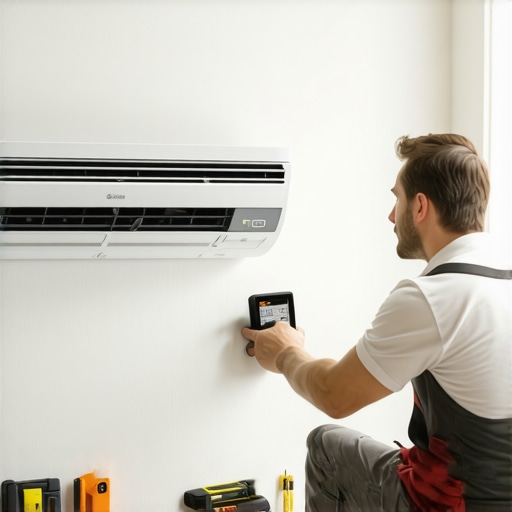
I remember the cold shock that hit me last winter when I fired up my furnace, only to realize it was barely blowing warm air. It was that sinking feeling—like stepping outside into a snowstorm when you expected cozy warmth. It made me realize how much we rely on our HVAC systems to keep home sweet home comfortable, especially as temperatures fluctuate unpredictably.
Facing HVAC Failures Without the Headache
In 2024, more homeowners are discovering that their HVAC systems aren’t as bulletproof as they’d hoped. Whether it’s a stubborn mini-split that refuses to cool or a furnace that only makes racket but no heat, these problems can disrupt your entire day—and your peace of mind. But here’s the thing: understanding the root causes can make all the difference. With the right troubleshooting approach, you can often fix minor issues yourself or know when it’s time to call in an expert. My own early mistake was trying to ignore a strange smell from my heat pump, believing it was merely dust; that turned into a costly repair when ignored. Trust me, addressing problems early saves money and stress.
Are you tired of inconsistent temperature control or worried about unexpected breakdowns? You’re not alone. Many homeowners face the same frustrations, often due to overlooked simple fixes or misunderstanding their system’s behavior. The good news is, by the end of this post, you’ll have a clearer idea of what might be causing your issues—and how to find reliable solutions.
Now, let’s dive into the common problems and practical troubleshooting tips that can help you restore your home’s comfort without unnecessary expense or frustration. Understanding these basics will empower you to make smarter decisions, whether DIY fixes or professional interventions. Remember, a little knowledge goes a long way in avoiding those unexpected cold shocks or sweltering surprises, especially during the unpredictable weather swings of 2024.
Identify the Problem Clearly
Start by observing your system’s behavior. Is it not heating, cooling, making weird noises, or short cycling? Take note of when issues occur and any patterns. For example, I once noticed my heat pump only worked in the middle of the night, which pointed me toward a thermostat issue. Document these symptoms to streamline diagnostics or when consulting professionals.
Check Basic Components First
Think of your HVAC system like a car; sometimes, simple things cause big problems. Begin with the thermostat—ensure it’s set correctly and replace batteries if needed. Inspect air filters—clogged filters choke airflow, reducing efficiency. Look at circuit breakers or fuses for tripped switches. These quick checks often restore functionality without additional work.
Inspect Outdoor Units for Obstructions
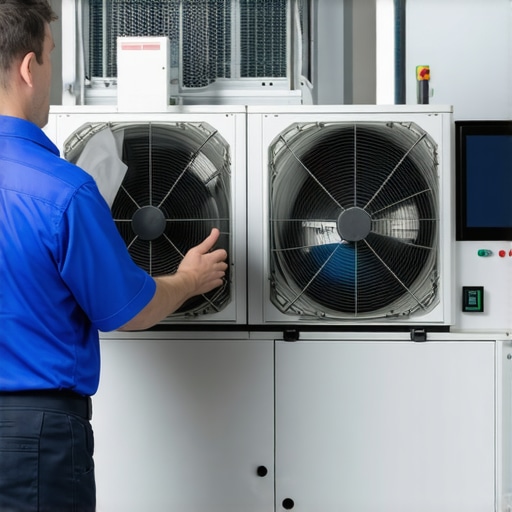
Many malfunctions stem from blocked coils or debris. Clear leaves, dirt, or snow around outdoor heat pump or condenser units. Dirty coils act like a clogged nose—they restrict airflow and cause overheating. Use a garden hose or a coil cleaner for deep cleaning, but avoid high-pressure water that might damage fins. I once cleaned my heat pump coils and noticed immediate efficiency gains.
Evaluate System Controls and Settings
Incorrect settings or malfunctioning relays can cause system failures. Verify that your thermostat wiring is intact—loose wires mimic system failure. If your heat pump shows error codes, consult the manufacturer manual or trusted guides, like this resource. Resetting circuit boards by turning off the power for a few minutes can sometimes clear faults.
Test Safety Devices and Fuses
Many HVAC failures trigger safety switches or blown fuses. Turn off power supply and visually inspect for damaged fuses or tripped switches. Replacing blown fuses or resetting switches may resolve the issue. Always follow safety protocols—if unsure, contact a professional, especially since gas or high voltage systems are involved.
Perform Simple Mechanical Checks
Fan blades should spin freely without wobbling, and belts should be tight and intact. Lubricate moving parts with manufacturer-approved oils—think of it like oiling a squeaky door hinge. Too often, neglecting these steps leads to premature system failure. When I noticed my fan struggling, a quick lubrication fixed it instantly.
Use Troubleshooting Tools Effectively
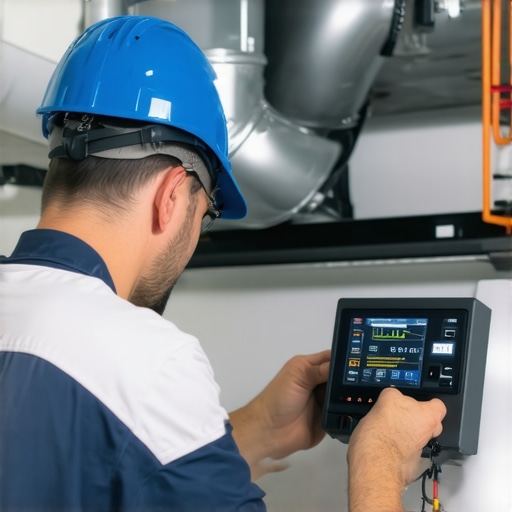
Multimeters help check electrical continuity and voltage. For example, testing capacitor charge can reveal if it’s causing startup issues. Follow a systematic approach: turn off power, disconnect components, and compare readings against specifications. If readings are inconsistent, replacement is necessary.
Recognize When to Escalate
If your troubleshooting doesn’t yield results, don’t hesitate to seek professional help. Sometimes, systems require specialized diagnostics like refrigerant pressure checks or compressor testing. Remember, attempting complex repairs without experience can be dangerous or lead to more damage. Visit this guide to know when a pro is needed.
Many homeowners believe that regular maintenance alone prevents major HVAC failures, but in my experience, this isn’t the whole story. A common misconception is that systems only need attention when they show obvious signs of trouble; however, subtle issues like uneven airflow or slight refrigerant leaks often become significant problems if overlooked early. Another myth is that all technicians are similar in skill—nothing could be further from the truth, especially when it comes to specialized systems like heat pumps or mini-splits. Choosing an expert with deep knowledge of these units can save you money and hassle in the long run learn more about selecting skilled professionals. A tricky trap many fall into is assuming that upgrading your thermostat will fix efficiency problems; in reality, this is just one piece of the puzzle.
Why do some HVAC upgrades fail to deliver expected savings?
Oftentimes, homeowners neglect to address underlying issues like duct leaks or poor insulation, which diminish the benefits of modern systems. Recognizing these hidden factors is crucial for effective repairs and long-term comfort, as supported by a recent study indicating that duct sealing can improve system efficiency by up to 20% see expert tips here. Moreover, a frequent oversight involves misdiagnosing system noises or temperature inconsistencies as simple faults, when they may signal deeper mechanical issues such as compressor wear or refrigerant contamination. Attempting DIY fixes without understanding these nuances can lead to costly damage. It’s vital to differentiate between superficial problems and those requiring advanced diagnostics. For example, heat pump efficiency can decline sharply due to issues like refrigerant undercharge, which isn’t fixed by resetting thermostats alone. Professional diagnosis ensures you address the root cause trust the experts for complex repairs. Recognizing these subtleties helps avoid common mistakes and prolongs your system’s lifespan, ensuring reliable performance when you need it most. Remember, knowledge of the hidden nuances enables smarter decisions—whether that means scheduling regular expert inspections or understanding when to insist on detailed diagnostics. Have you ever fallen into this trap? Let me know in the comments.Maintaining your HVAC system, whether it’s a heat pump, mini-split, or furnace, is critical for long-term performance and energy efficiency. One of my go-to tools is a high-quality digital multimeter. I use it not just for electrical diagnostics but also to quickly verify voltage levels, capacitor health, and wiring continuity. For example, measuring capacitor voltage during startup can save hours of guesswork and prevent costly replacements. Additionally, an infrared (IR) thermometer has become indispensable — I rely on it to identify hotspots on the compressor or refrigerant lines, which often signal underlying issues before they escalate. Regularly checking these temperature readings ensures your system runs smoothly and identifies potential failures early.
Another tool I emphasize is a coil cleaner and garden hose since dirty condenser or evaporator coils impair efficiency, causing your system to strain and consume more energy. Cleaning coils seasonally with a gentle spray preserves airflow and prevents compressor overheating. Meanwhile, an anemometer can help assess airflow through vents, ensuring balanced heating or cooling across different zones.
The trend in HVAC maintenance points towards smart diagnostics and remote monitoring. Modern systems increasingly integrate IoT sensors, allowing homeowners and professionals to receive real-time alerts on system health via smartphone apps. This proactive approach facilitates scheduling timely repairs or maintenance, reducing downtime and extending equipment lifespan.
So, how do I maintain my HVAC system over time? Regularly schedule professional tune-ups that include refrigerant level checks, component inspections, and software updates to the control boards. I also recommend setting reminders to replace filters every three months and inspecting electrical connections for corrosion or looseness. These small, consistent steps can prevent many issues that lead to long-term damage.
Investing in reliable diagnostic tools is essential. For instance, I personally use a Fluke multimeter for its accuracy and durability — it’s what I trust for critical troubleshooting tasks. Pairing this with an IR thermometer and coil cleaner allows me to perform thorough inspections myself. Remember, regular proactive maintenance not only extends system lifespan but also keeps energy bills lower. For comprehensive guidance on maintaining your heat pump or mini-split, check out the [Ultimate Guide to Heat Pump Maintenance and Repairs](https://chillyprohvac.com/ultimate-guide-to-heat-pump-maintenance-and-repairs). Or, if you’re facing complex issues, don’t hesitate to contact professionals who specialize in reliable repairs; visit [here](https://chillyprohvac.com/trusted-heat-pump-mini-split-repairs-for-lasting-comfort-2024). Start implementing these tools and tips today, and you’ll keep your HVAC system functioning optimally for years to come.
Lessons Hidden in My HVAC Journey
One of the most impactful lessons I learned was the importance of listening closely to my system’s subtle signals. The tiny squeal from my furnace or a slight change in airflow often hints at bigger issues brewing just beneath the surface. Ignoring small signs can lead to major failures, so staying vigilant has saved me plenty in repair costs. Also, I realized that DIY troubleshooting is best reserved for basic checks, like replacing filters or clearing debris—trust me, meddling too deep without proper knowledge can make things worse. Lastly, the value of building a relationship with a trusted HVAC professional cannot be overstressed; having someone I can call for honest advice has been priceless during unexpected breakdowns. These lessons taught me that proactive care and attentive observation turn a potentially stressful situation into a manageable one, keeping my home comfortable no matter what 2024 throws at us.
My Must-Have Tools for HVAC Peace of Mind
Over the years, I’ve curated a toolkit that empowers me to handle minor issues quickly and confidently. A quality multimeter from trusted brands like Fluke helps me verify electrical components during troubleshooting—crucial when diagnosing capacitor or wiring problems. An infrared thermometer is invaluable for spotting hot spots, indicating potential refrigerant or motor overheating before a breakdown occurs. I also rely on a garden hose and coil cleaner to keep outdoor units running efficiently—clean coils mean better airflow and less strain on the compressor. For a comprehensive approach, I use resources like this detailed guide to stay current with maintenance best practices. These tools and resources together have saved me countless headaches and money, making HVAC care less of a chore and more of a proactive hobby.
Your Comfort Is in Your Hands—Embrace the Challenge
Taking charge of your HVAC system and understanding its quirks doesn’t just save money; it fosters confidence. Every minor fix you master or misdiagnosed problem you correctly identify builds your expertise and reduces reliance on costly professional visits. Remember, the effort to learn simple troubleshooting or routine maintenance can prevent emergency breakdowns, especially when unpredictable weather strikes in 2024. You’ve already shown initiative by reading this far—so why not apply just one tip today? Whether it’s checking your filters, inspecting outdoor coils, or scheduling a professional tune-up, every small step leads toward long-lasting comfort and peace of mind. Trust your instincts, stay curious about how your system works, and never hesitate to seek expert help when needed—out there, professionals are ready to assist at your convenience. Here’s to making informed decisions and enjoying a cozy, trouble-free home year-round.
Reading this post really resonated with me, especially the part about recognizing subtle signals from HVAC systems. I’ve definitely experienced unexpected system failures during cold snaps, and I found that paying attention to minor changes—like unusual noises or slight drops in airflow—can alert you to bigger issues down the line. One thing I’ve learned from my own experience is that periodic professional inspections, combined with basic DIY checks, go a long way in preventing costly breakdowns. I also started using a multi-meter to verify electrical components, which gives me peace of mind before calling in help. I’m curious, how do others here balance regular DIY maintenance with when to escalate to a professional? Do you have specific signs you look for that tell you it’s time to call in the experts? I’d love to hear different approaches or tools that others swear by for early detection.
This post hits close to home, especially the part about understanding your HVAC’s subtle signals. I’ve learned that keeping a simple log of any strange noises, unusual odors, or temperature inconsistencies can make a big difference in catching issues early. I always inspect filters monthly and check outdoor units for debris or snow buildup—simple tasks that save me from costly repairs later. I used to wait until systems completely failed before calling a technician, but now I realize that proactive monitoring can extend the lifespan of my equipment and improve efficiency. My biggest challenge is knowing when a problem is serious enough to require professional help. For example, I noticed my heat pump making faint squealing sounds; I was tempted to ignore it, but after reading this, I understand that such signals shouldn’t be dismissed. How do others here decide when a DIY fix is enough and when it’s time to call in a pro? Are there specific signs or tools you rely on to make that call? Would love to hear your tips.