
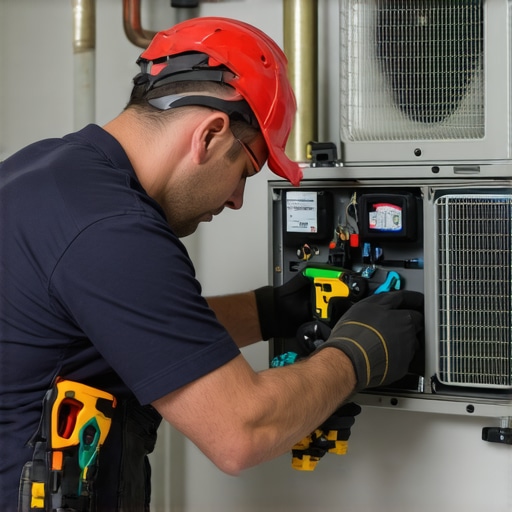
I vividly remember the day my heat pump decided to sputter and die right in the middle of the coldest night of the year. The sudden chill was a rude awakening, sparking a frantic search for solutions that didn’t involve waiting days for a technician. That’s when I had my lightbulb moment: troubleshooting and repairing my HVAC system isn’t just about fixing what’s broken—it’s about ensuring my home stays warm and comfy without interruptions. And honestly, that realization set me on a journey to master the art of reliable HVAC repair.
Why Reliable HVAC Repair Matters More Than Ever
Living through a chilly winter night with no heat taught me that dependable HVAC systems are more than just a luxury—they’re a necessity. When your furnace or heat pump falters unexpectedly, you’re faced with a pressing question: How quickly can I get it back up and running? The truth is, quick fixes often lead to recurring problems if you don’t understand what’s really going on under the hood. Early on, I made the mistake of assuming that minor issues were not urgent, which only led to bigger complications down the line.
According to the Department of Energy, maintaining a well-functioning heating system can improve energy efficiency and prolong system lifespan, saving you money in the long run. Yet, many homeowners overlook regular troubleshooting and maintenance, risking costly repairs and discomfort during the cold months.
Have you experienced a sudden HVAC failure that left your home uncomfortably cold? If so, you’re not alone—and that’s precisely why understanding reliable repair strategies is so crucial. Today, I promise to walk you through the key steps to troubleshoot common issues effectively, helping you become more self-reliant and confident in maintaining your home’s comfort.
Is It Really Worth Attempting Repairs Yourself?
Admittedly, I learned this question the hard way. Early in my DIY journey, I tried fixing a stubborn furnace issue without proper knowledge. I ended up exacerbating the problem, which led me to seek professional help anyway. The mistake? Underestimating the importance of proper diagnosis and safety precautions. Now, I know that while some minor troubleshooting can save time and money, there are areas where trusting experts is the safest bet. For trustworthy guidance, I always recommend consulting professional resources, like the comprehensive guides available at the ultimate heat pump maintenance guide.
As we move forward, I’ll share proven tips and insights to help you identify when to roll up your sleeves and when to call in the pros for those tricky HVAC issues. Ready to take control of your home comfort? Let’s dive into the essentials.
Inspect Your Thermostat Carefully
Start by checking your thermostat settings; ensure it’s set to heat and at the desired temperature. If the display is blank or unresponsive, replace the batteries and confirm it’s functioning correctly. I once found my thermostat’s wiring loose after a minor household DIY project, which caused inconsistent heating. Securing the connections restored proper operation.
Verify Power Supply Is Steady
Next, verify that your system is receiving power. Inspect circuit breakers for tripped switches; reset them if necessary. Use a multimeter to test voltage at the system’s disconnect box to confirm consistent power flow. During a cold snap, I noticed my furnace wasn’t kicking on because a blown fuse detached from its socket, causing a failed startup.
Check Air Filters and Vents
Clogged filters block airflow, causing system strain or shutdowns. Remove and inspect the filter; replace if dirty or clogged. Clean air vents to prevent restrictions. I had a stubborn heat issue once, which was simply due to a heavily-soiled filter that I replaced with a fresh one, immediately improving airflow.
Assess the System’s Outdoor Unit
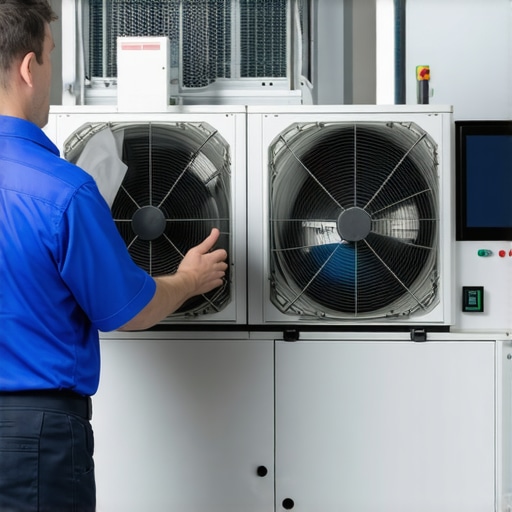
For heat pumps and minisplits, clear debris like leaves and snow from outdoor units. A blocked condenser coil hampers heat transfer. Imagine the coil like a radiator—you wouldn’t want it covered in dirt! Once, I cleared ice and debris from my heat pump’s outdoor coil, restoring efficient operation.
Examine Critical Components
Move on to inspecting relays, contactors, and capacitors. Listen for clicking sounds when the system starts; if absent, components might be faulty. Use a multimeter to test electrical parts for continuity and proper voltage. I replaced a failing capacitor after noticing my system hesitated at startup, which I diagnosed with a multimeter test.
Test the System’s Fan and Blower Motor
Ensure the blower motor operates smoothly without unusual noises. If the fan doesn’t turn or runs intermittently, it may need lubrication or replacement. During my troubleshooting, I found a belt slipping off the blower motor, and re-aligning it solved the issue.
Monitor Refrigerant Levels
Low refrigerant causes poor heating performance. While full recharge should be done by professionals, you can check for obvious leaks or frost buildup on coils. I once noticed ice forming on my outdoor coil, prompting me to call a technician for leak repair and recharge. Avoid attempting refrigerant repairs yourself, as they require specialized tools and training.
Identify Error Codes and System Messages
Modern systems display codes indicating specific issues. Refer to your system’s manual or online resources to interpret these signals. When my heat pump flashed an error code, a quick lookup pointed me to a malfunctioning sensor, enabling targeted troubleshooting.
Document Your Findings
Keep a log of what you check and replace. This record aids in diagnosing persistent issues or explaining problems to professionals. I kept detailed notes during my DIY efforts, which helped speed up professional repairs later on.
Know When to Seek Professional Help
If troubleshooting steps don’t resolve the issue, or if you’re uncomfortable handling electrical components, it’s best to consult a trusted technician. Visiting our contact page for expert assistance ensures safety and a lasting fix. Remember, attempting complex repairs without proper knowledge can cause more damage or safety hazards.
Regular Maintenance Prevents Future Failures
Routine checks, cleaning filters, and seasonal inspections extend system life. Consider scheduling professional tune-ups and consult trusted resources like this comprehensive heat pump maintenance guide for detailed tips. Staying proactive reduces emergency repairs and keeps your home comfortable year-round.
<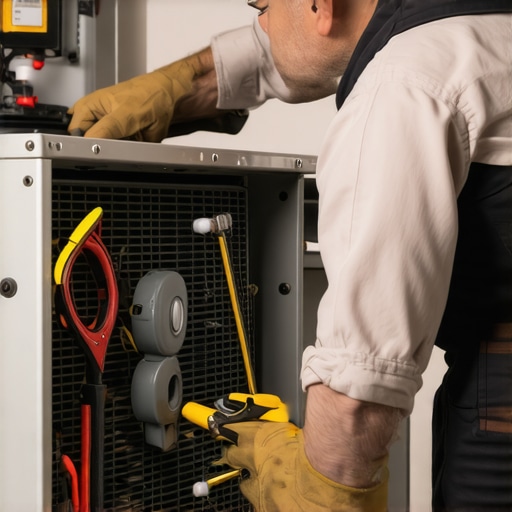 >Many homeowners believe they fully understand how heat pumps, mini-splits, and furnaces operate, but in reality, some misconceptions can lead to costly mistakes or overlooked issues. One prevalent myth is that all HVAC systems are maintenance-free or that simple troubleshooting will always solve the problem. In contrast, professionals know that systems require nuanced care; for example, understanding the specific compressor behavior in heat pumps can prevent unnecessary replacements and optimize efficiency.
What Are the Most Overlooked Factors That Affect System Reliability?
Advanced technicians emphasize the importance of recognizing the subtle signs of impending failure, such as slight refrigerant pressure drops or minor electrical anomalies, which novice DIYers might dismiss. According to experts from HVAC systems studies, neglecting these small indicators can escalate minor issues into major failures, undermining system longevity. Additionally, many people fall for the misconception that regular cleaning or replacing filters alone guarantees system health. While crucial, these steps need to be complemented by periodic professional inspections that assess refrigerant levels, electrical connections, and system controls—elements often overlooked by laypeople. An oops factor here is attempting complex repairs, like refrigerant recharge or capacitor replacement, without proper training or equipment, which can be dangerous and damage the equipment further. Always remember, safety first: if you’re uncertain about handling electrical components or refrigerants, it’s wise to consult trusted professionals rather than risking injury or costly damage. Curious about advanced troubleshooting secrets? Check out our detailed guide on HVAC repair secrets to boost efficiency. Understanding these hidden nuances ensures you don’t fall into the trap of oversimplified DIY fixes that might do more harm than good. Remember, when in doubt, always rely on trusted experts: visit our contact page for professional assistance. Have you ever fallen into this trap? Let me know in the comments.
Invest in Reliable Tools for Peace of Mind
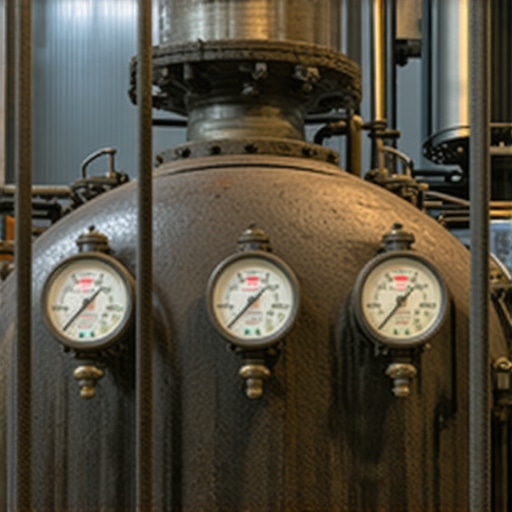
To ensure your heat pump, mini-split, or furnace stays in top shape, investing in the right diagnostic tools is essential. I personally rely on a high-quality clamp meter and a digital multimeter with temperature and capacitance testing capabilities. These tools allow me to quickly assess electrical components like relays, contactors, and capacitors without unnecessary disassembly, saving time and reducing the risk of damage. For refrigerant level checks, I use a manifold gauge set to monitor pressure and ensure optimal system performance. These tools are not just for emergencies—they help me perform routine inspections to catch potential issues early, significantly extending the lifespan of my HVAC equipment. As technology advances, smart tools like wireless diagnostic sensors and system analyzers are becoming more prevalent, promising even greater efficiency and precision in maintenance tasks.
Tip: Use Software to Track System Performance
Beyond physical tools, I highly recommend using specialized HVAC monitoring software, such as HVAC Duct Sizer or service management apps like ServiceTitan. These programs help you log system parameters over time, set maintenance reminders, and analyze trends to predict upcoming failures. Personally, I keep a digital log of pressure readings, filter changes, and system runtimes, which has proven invaluable when diagnosing intermittent issues or justifying professional repairs. As the industry moves toward greater automation, integrating IoT-based sensors that transmit real-time data can alert you to problems before they become critical, saving money and reducing downtime. In the future, expect these technologies to become more affordable and user-friendly, making DIY upkeep even more feasible.
How do I maintain HVAC systems proactively over time?
Regular maintenance is the backbone of a reliable HVAC setup. Schedule professional tune-ups at least twice a year—preferably before peak heating and cooling seasons—to ensure all components, including filters, electrical parts, and refrigerant levels, are in optimal condition. Incorporate routine checks using your diagnostic tools; for example, testing capacitor voltages annually can prevent sudden failures. Additionally, keep an eye on system efficiency metrics such as runtime and airflow—any anomalies should prompt further investigation or professional intervention. Remember, a proactive approach saves money and preserves system longevity more effectively than reactive repairs. For comprehensive advice, check out this ultimate guide to heat pump maintenance. Don’t delay—implement your own preventative routines now to keep your heating and cooling systems humming smoothly.
Scaling Up for Larger Systems or Multiple Zones
If you manage a multi-zone setup or plan to upgrade your HVAC system, tools like wireless zone controllers and advanced diagnostic software become even more critical. Modern systems benefit from centralized management platforms that can monitor different zones simultaneously, providing granular data on temperature, pressure, and electrical health. I recommend investing in a smart thermostat compatible with your existing setup, which can offer remote monitoring and automatic adjustments based on system performance data. As systems grow more complex, partnering with reliable experts ensures that your control strategy optimizes efficiency and long-term stability. Looking ahead, smart integration and AI-driven diagnostics will likely make maintaining larger or more sophisticated HVAC systems more intuitive and less labor-intensive. For trusted experts in this field, visit our trusted repair services to support your scaling journey. Start planning now to streamline your maintenance efforts and maximize comfort across every zone of your home.
The Hardest Lessons Behind Reliable HVAC Fixes
One of my biggest takeaways was realizing that rushing into repairs without proper diagnosis often worsens the problem. I once replaced a capacitor based solely on intuition, only to discover later that a clogged filter was the real culprit. This taught me the importance of patience and thorough troubleshooting before diving into parts replacement.
Second, understanding system specificities saved me from expensive mistakes. Knowing the difference between refrigerant types and heat pump behaviors meant I avoided costly calls and fixed issues myself. This deepened my respect for detailed knowledge and continuous learning in HVAC repair.
Lastly, trusting the right resources proved invaluable. Not every DIY guide is created equal; some oversimplify or overlook safety protocols. My go-to is always comprehensive guides like this heat pump maintenance guide, which balances troubleshooting tips with safety and professionalism.
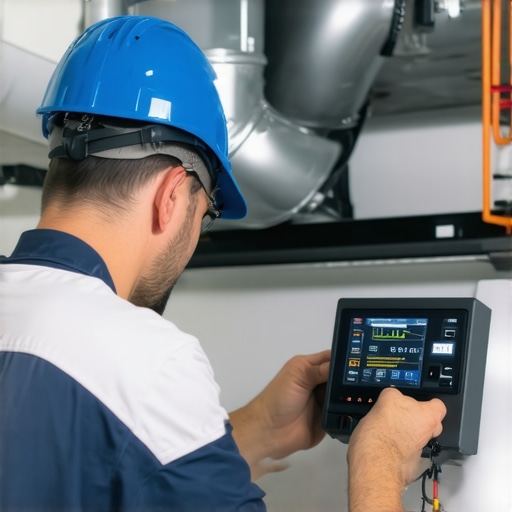
Reading through this detailed guide really resonated with my own experiences troubleshooting HVAC issues at home. I agree that regular maintenance and keeping detailed records can save a lot of headaches down the line. I’ve found that investing in quality diagnostic tools like a digital multimeter and manifold gauge set made a significant difference, especially when it comes to identifying electrical faults or refrigerant leaks early. It’s also a reminder that understanding system-specific nuances, such as heat pump behaviors or refrigerant types, is crucial for proper diagnosis and repair. I appreciate the emphasis on knowing when to call in professionals—some problems just aren’t worth risking safety over if you’re not properly trained. One challenge I’ve faced is keeping up with newer smart HVAC systems and learning to interpret their error codes effectively. For those managing larger setups or multiple zones, what are some of the best tools or software recommendations you’d suggest for proactive maintenance and monitoring? Always eager to learn from community tips!