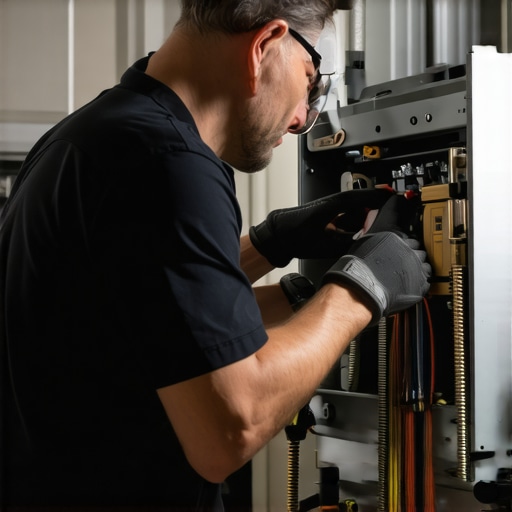
I vividly remember the night my heater sputtered to a halt just as a cold snap was settling in. There I was, curled up under a blanket, shivering and realizing how dependent I was on a reliable HVAC system to keep my home cozy. That unsettling moment made me question—how well do I really understand my heating setup, and what can I do to prevent such surprises?
Confronting HVAC Emergencies Head-On
Ever had that sinking feeling when your furnace or heat pump stops working just when you need it most? You’re not alone. Many homeowners face sudden HVAC failures, often during the coldest or hottest days, when urgency kicks in. The frustration of waiting for a repair technician or, worse, suffering through a broken system can be avoided with a bit of know-how and proactive maintenance. Today, I’ll share my journey from rookie mistakes to trusted tips, so you won’t be left cold—or sweltering—in your own home.
Is A DIY Repair Really Worth the Risk?
Early in my journey, I learned a hard lesson: assuming I could fix every problem on my own isn’t always the safest route. I once tried diagnosing a strange noise from my heat pump without proper tools or knowledge. It ended with more damage and a hefty service bill. Trust me, some issues are best left to the experts. For guidance on when to call professionals, check out [Mini Split Troubleshooting: When and How to Call a Pro](https://chillyprohvac.com/mini-split-troubleshooting-when-and-how-to-call-a-pro). Being cautious early on helped me avoid costly mistakes and ensured my system was repaired correctly.
Recognizing these pitfalls is essential. A well-maintained HVAC system can run efficiently and last longer, saving you money and stress. Plus, understanding common trouble spots can empower you to spot issues before they turn into emergencies. Ready to learn the practical steps to keep your home comfortable all year round? Let’s dive deeper.
Check Your Thermostat First
Start by ensuring your thermostat is functioning correctly. I once thought my heat pump failed until I realized the thermostat was set to ‘cool’ instead of ‘heat.’ Verify the settings, replace batteries if needed, and consider upgrading to a smart thermostat for better control. Test it by adjusting the temperature and confirming the system responds promptly.
Inspect and Clean Air Filters Regularly
Clogged filters are a common cause of HVAC issues. I learned this after my heater struggled on a chilly night; a quick filter change restored proper airflow. Remove filters, check for dirt accumulation, and replace them every 1-3 months, especially during peak usage seasons. This simple step can prevent costly repairs and improve efficiency.
Examine the outdoor unit for debris
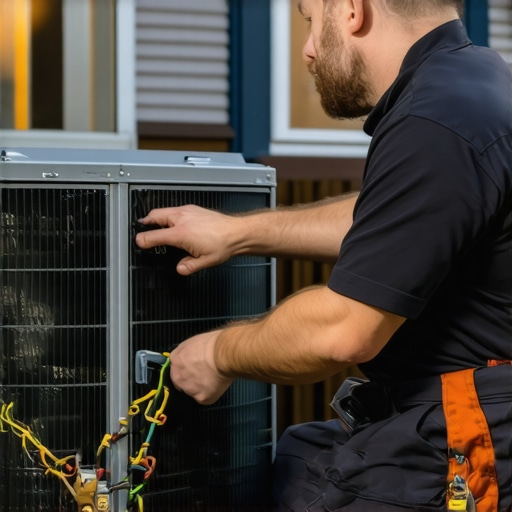
Leaves, dirt, and snow can obstruct airflow around your heat pump or outdoor AC. I once cleared a pile of leaves from my unit, which immediately boosted performance. Turn off power at the breaker, then carefully remove debris and trim nearby vegetation to ensure proper ventilation. Keep a 2-foot clearance zone for optimal operation.
Test the system with a manual override
Sometimes, systems aren’t responding as they should. I manually activated my heater to see if it ignited correctly; it did, but the thermostat wasn’t signaling it. Consult your system’s manual for reset procedures or turn it on directly to observe if it runs smoothly. Be cautious and turn off the system afterward to prevent any damage.
Learn to diagnose simple problems safely
Basic troubleshooting can save lots of time. For example, if your heat pump isn’t heating, check the circuit breaker and look for error codes on the system display. If you notice unusual noises or leaks, note the specifics. Remember, attempting complex repairs without proper knowledge can be dangerous—when in doubt, consult a professional. For guidance on when to call a pro, see [Mini Split Troubleshooting](https://chillyprohvac.com/mini-split-troubleshooting-when-and-how-to-call-a-pro).
Schedule seasonal maintenance
Routine check-ups can prevent emergencies. I booked an annual service with a trusted technician, which included inspections, refrigerant level checks, and system tune-ups. Experts recommend scheduling this before peak seasons—ideally in fall and spring—to keep your system running efficiently year-round. Find local professionals via [HVAC Repair Secrets](https://chillyprohvac.com/hvac-repair-secrets-boost-efficiency-with-expert-tips).
Keep detailed records of repairs and maintenance
Maintaining logs helps identify recurring issues. I started tracking service dates, parts replaced, and observations, which made future troubleshooting easier. Use a notebook or digital app to stay organized. This habit ensures you’re always aware of your system’s health and can provide valuable info if you need professional help or warranty claims. For trusted repair services, check [Contact Us](https://chillyprohvac.com/contact-us).Many homeowners believe that understanding the basics of their HVAC systems, like how to change filters or set thermostats, suffices for effective maintenance and troubleshooting. However, this oversimplification can lead to costly mistakes and overlooked issues. One prevalent myth is that mini-split systems are entirely maintenance-free, which isn’t true; in fact, they require specific care to ensure long-term efficiency, as detailed in the [Ultimate Guide to Heat Pump Maintenance and Repairs](https://chillyprohvac.com/ultimate-guide-to-heat-pump-maintenance-and-repairs).
**The trap of underestimating system complexity** often leads to amateur diagnostics that do more harm than good. For example, many believe that if a heat pump or furnace doesn’t turn on instantly, the problem is a blown fuse or thermostat misset. While these are common issues, system failures can also stem from lesser-known causes like refrigerant leaks or control board malfunctions. Recognizing these nuances prevents unnecessary part replacements and ensures professional intervention is timely and accurate.
**Advanced diagnostics can be deceptive** if homeowners rely solely on error codes or superficial checks. I’ve seen cases where homeowners ignored unusual sounds or minor leaks, dismissing them as normal, only for these symptoms to indicate deeper problems like compressor failure or airflow obstructions. For instance, persistent refrigerant line frost might seem harmless but actually signals inadequate refrigerant levels or poor insulation—issues that, if not addressed, can reduce system lifespan significantly. Dive into more sophisticated troubleshooting techniques with trusted resources or professionals.
**What many miss is the importance of system load calculations**. Oversized units cycle frequently without effectively removing humidity, leading to inefficiency and discomfort. Conversely, undersized systems struggle during peak demand, resulting in frequent breakdowns. Accurate load assessment, typically performed during installation but also revisited during repairs, ensures optimal system sizing. Studies, such as those published by the ASHRAE Journal, emphasize that improper sizing is a major factor in repair failures and energy wastage. For precise evaluations, consulting with experienced techs can prevent these pitfalls.
**Beware the false comfort of quick fixes**. Temporary resets or bypasses might seem to solve immediate issues but can mask underlying problems like faulty sensors or control modules. This is why ongoing professional assessment is crucial. Routine maintenance, including checking electrical connections, inspecting capacitors, and verifying refrigerant charge, remains vital, even if the system appears to work fine after a quick fix.
Thinking beyond the basics and understanding these nuanced aspects helps homeowners avoid common pitfalls, ultimately extending equipment life and saving money. For more detailed insights, review [trusted repair tips and expert advice](https://chillyprohvac.com/hvac-repair-secrets-boost-efficiency-with-expert-tips).
Have you ever fallen into this trap? Let me know in the comments.
Maintaining a reliable HVAC system isn’t just about occasional checks; it requires the right tools and consistent practices. Over the years, I’ve found that having dedicated equipment and software makes a significant difference in diagnosing and resolving issues quickly, saving both time and money. For example, I personally use a digital multimeter with auto-ranging capabilities, which allows me to test electrical components like contactors, capacitors, and thermostats accurately. This tool is essential because many HVAC failures stem from electrical faults, and a precise reading can pinpoint problems that might otherwise be mistaken for more complex issues.
Complementing my multimeter, I rely on an infrared temperature gun to measure airflow and refrigerant line temperatures. This non-contact tool helps me verify if airflow rates are within specifications, which is crucial for heat pump and mini-split efficiency. If temperatures are off, it could indicate a refrigerant leak or airflow obstruction—issues that, if unaddressed, could lead to costly repairs down the line.
Software-wise, I utilize diagnostic apps compatible with Control boards and smart thermostats, enabling me to read error codes remotely or during in-person inspections. Smart thermostats, like Nest or Ecobee, not only provide real-time data but also improve energy efficiency and user control. When combined with my diagnostic tools, these apps allow me to troubleshoot faster and more accurately. As technology advances, I predict the trend towards integrated systems that automatically alert homeowners to issues before they escalate, minimizing downtime and repair costs. For homeowners looking to upgrade, exploring reliable smart thermostats and compatible diagnostic tools is a wise investment.
How do I maintain my tools over time? Regular calibration is key. I send my multimeter and temperature gun to authorized service centers annually to ensure their accuracy remains precise. Additionally, I keep my software updated to access new diagnostic features and security patches. Proper storage, such as keeping these tools in a clean, dry toolbox, extends their lifespan and maintains their reliability. This proactive approach to maintenance ensures that my troubleshooting efforts stay on point and that my systems operate efficiently for years to come.
If you’re serious about keeping your system in top shape, I recommend adding a digital multimeter with true RMS capabilities and an infrared temperature gun to your toolkit. A detailed guide on selecting the right equipment can be found in the Ultimate Guide to Heat Pump Maintenance and Repairs. Using these tools, coupled with smart diagnostic apps, empowers you to catch issues early, perform effective repairs, and ultimately extend the lifespan of your HVAC appliances. Don’t wait for a breakdown—try incorporating one of these advanced tips into your maintenance routine today and experience smoother, more reliable home comfort.
What No One Tells You About DIY HVAC Fixes
One of my biggest revelations was realizing that tackling certain repairs without proper training can do more harm than good. Rushing to fix that strange noise or error code often led me to overlook the complexity of components like control boards or refrigerant levels. I learned that knowing your limits is crucial, and relying on professional diagnostics can save money and avoid safety hazards. Don’t underestimate the intricacies involved in HVAC systems—sometimes, a small misstep can lead to costly repairs later.
Why System Sizing Is Your Secret Weapon Against Future Breakdowns
Discovering the importance of correct system sizing transformed my approach to maintenance. An oversized unit cycling too frequently or an undersized one struggling during peak demand can cause undue wear. Getting an accurate load calculation isn’t just technical fluff; it directly affects the longevity and efficiency of your equipment. Consulting with experts about proper sizing based on your home’s unique needs can prevent countless headaches and extend your system’s lifespan significantly.
My Hidden Tools for Troubleshooting Success
Armed with a digital multimeter and infrared temperature gun, I unlocked a new level of diagnostic precision. These tools, complemented by smart apps, enable me to identify electrical issues and airflow problems quickly. Regular calibration and care for these devices ensure their accuracy stays sharp. This proactive toolkit has empowered me to catch potential failures early, saving time and safeguarding my home comfort. Investing in reliable diagnostic equipment can be a game-changer for homeowners determined to keep their systems running smoothly.
Where to Elevate Your HVAC Journey From Here
Delve into trusted resources like the Ultimate Guide to Heat Pump Maintenance and Repairs or explore expert troubleshooting tips on HVAC Repair Secrets. These guided insights supplemented by professional advice can help you move from basic knowledge to mastery. Upgrading your tools and understanding not only prevents emergencies but also enhances your confidence as a proactive homeowner dedicated to long-term comfort.
It’s Your Turn to Keep Things Running Smoothly
Remember, mastering your HVAC system is a continuous journey. Every step you take—whether performing routine checks, investing in good diagnostic tools, or consulting expert resources—brings you closer to worry-free home comfort. So, what’s one small change you’re willing to try today to improve your system’s reliability? Share your thoughts and let’s grow stronger together in our HVAC knowledge.