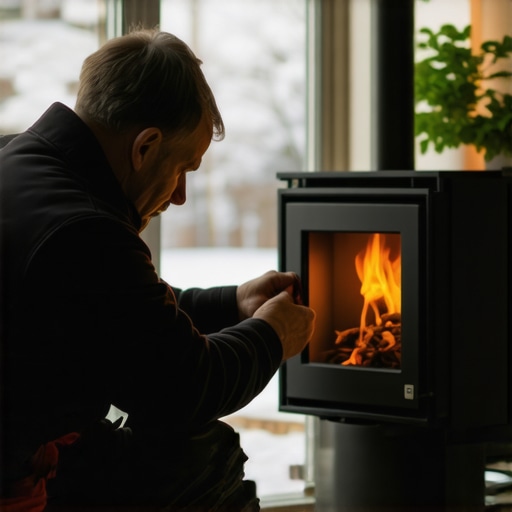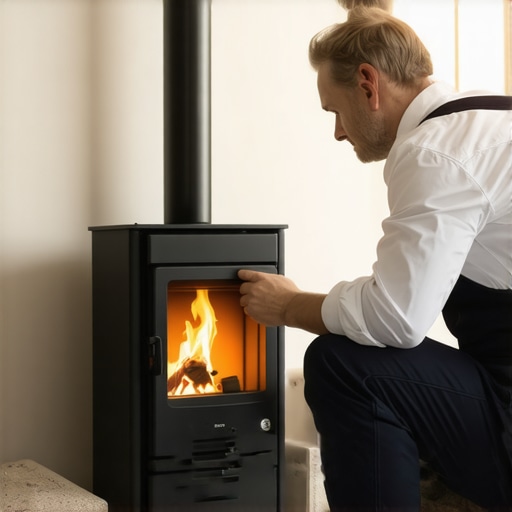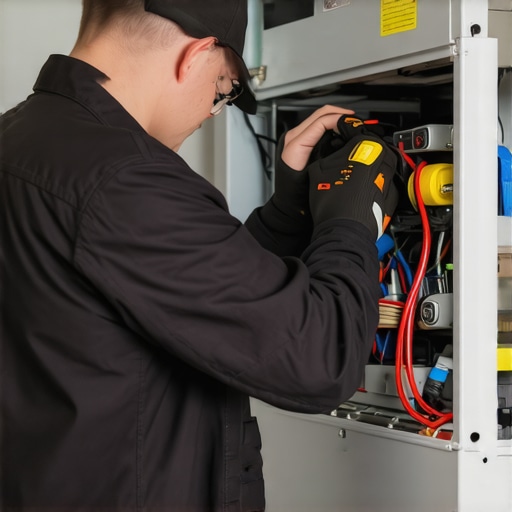
Ever experienced that chilly night feeling when your furnace suddenly quits, leaving you shivering under layers of blankets? Or perhaps you’ve had your HVAC system break down in the middle of a heatwave, turning your home into an unlivable sauna. I remember the frustration all too well—those moments when I realized that not all repairs are created equal. It felt like a gamble: do I trust the guy who promises quick fixes or dig into endless online troubleshooting guides? That lightbulb moment hit me hard: I needed reliable, lasting solutions, not just temporary fixes that would fail when I needed comfort the most.
Why Reliable HVAC and Furnace Repairs Matter in 2024
In today’s world, where energy efficiency and home comfort are more crucial than ever, trusting your HVAC and furnace repairs to the right professionals can make all the difference. Think about it—your heating and cooling systems are the backbone of your home’s comfort. A shoddy repair can lead to skyrocketing energy bills, frequent breakdowns, or worse, safety hazards like carbon monoxide leaks. According to the U.S. Department of Energy, an efficient HVAC system can save homeowners up to 30% on energy costs. That’s not just money in your pocket; it’s peace of mind, knowing your home is safe and comfortable year-round.
So, how do you cut through the noise and find a repair service you can truly trust? It starts with understanding what reliable results look like and avoiding common pitfalls. Early in my journey, I made a costly mistake: I hired a handyman because he was cheap and quick. Turns out, he didn’t know the nuances of heat pump repairs, which led to a costly redo. That experience taught me the importance of expert knowledge and proper diagnosis. If you’re facing similar struggles, you’re not alone. I’ll walk you through how to identify trustworthy professionals and what to look for to ensure your repairs last.
Have you ever faced an HVAC or furnace failure and wondered if the repair was worth it?
Choose Skilled Professionals for Lasting Results
Start by verifying the credentials of the repair technician. Look for certifications like NATE (North American Technician Excellence) and ensure they are licensed and insured. When I needed a furnace repair, I checked reviews on trusted platforms and called their references. This simple step saved me from recurring issues and costly redo. Don’t hesitate to ask for proof of experience and recent work examples. Reliable companies, such as those recommended in our furnace repair results guide, prioritize transparency and quality.
Diagnose Before You Fix
Effective repairs depend on accurate diagnosis. Think of it like a doctor diagnosing an illness—guesswork leads to ineffective treatment. Use online troubleshooting as a starting point, but don’t rely solely on it. For example, I experienced inconsistent heating and initially replaced my thermostat. Later I learned it was a clogged filter causing the issue—simple but overlooked. Always inspect the system thoroughly, check error codes, and test components systematically, referencing our mini-split troubleshooting to guide your process.
Source Quality Replacement Parts
When repairs require parts, opt for OEM (Original Equipment Manufacturer) components. Cheaper generic parts might seem tempting but often fail earlier, leading to repeat repairs. I learned this the hard way when I installed a non-OEM capacitor, which caused my system to shut down. Always ask your technician for warranty-backed parts. Reliable service providers, as detailed in our ultimate repair guide, insist on quality to ensure longevity.
Document Repairs and Keep Records
Maintaining detailed records of repairs helps future troubleshooting and warranty claims. I kept a folder with receipts, repair descriptions, and date logs. When a recent issue arose, I could verify that my system was properly serviced in the past, avoiding unnecessary replacement. Use a digital app or physical file—whatever works best. This habit aligns with best practices recommended in our reliable repair results.
Schedule Regular Maintenance
Prevention beats cure. Regular inspections and tune-ups extend your system’s life and improve efficiency. For example, I scheduled a professional HVAC tune-up twice a year. During one visit, my technician cleaned the coils and checked airflow, preventing a costly breakdown during winter. Follow our heat pump maintenance guide for a complete checklist. This proactive approach saves money and ensures your home stays comfortable year-round.
Many homeowners believe that all HVAC repairs are straightforward, quick fixes that anyone with basic tools can handle. However, the reality is far more nuanced. One common myth is that choosing the cheapest service provider will save money in the long run. In my experience, cutting corners often results in recurring issues, higher energy bills, and safety risks. Reliable repair results come from professionals with specialized knowledge and proper diagnostic skills. For example, I once hired a handyman for a furnace issue, only to find out he lacked the expertise to diagnose the real problem, leading to additional costly repairs. To avoid this trap, always verify credentials and experience—look for certifications like NATE and reviews from trusted sources. Learn more about how to find trustworthy professionals on our furnace repair results guide.
Another misconception is that online troubleshooting alone can replace professional diagnosis. While DIY checks can be helpful, they often miss underlying issues. For instance, I once replaced my thermostat for inconsistent heating, only to discover later that a clogged filter was the culprit. This mistake delayed the resolution and added unnecessary expense. The key is systematic diagnosis—checking error codes, testing components, and inspecting system parts thoroughly. Advanced readers should ask: How can I accurately diagnose complex HVAC problems without professional tools? The answer lies in understanding system diagnostics and knowing when to call a specialist. Our mini-split troubleshooting guide offers insights into effective diagnosis techniques.
Many homeowners also overlook the importance of sourcing quality replacement parts. The common belief that generic parts are equivalent often leads to short-lived repairs. I learned this the hard way when I installed a non-OEM capacitor, only to have my system shut down soon after. OEM parts, backed by warranties, ensure durability and safety. Skimping on quality might save money upfront but costs more in the long run through repeated repairs. For comprehensive advice, visit our ultimate repair guide and choose quality every time.
Why do some repairs persist despite multiple attempts, and how can I prevent this?
This question highlights the importance of proper diagnosis, sourcing quality parts, and trusting experienced technicians. Often, recurring issues stem from incomplete diagnostics or subpar parts. To prevent this, document all repairs, maintain records, and schedule regular maintenance. Regular tune-ups extend system lifespan and catch problems early, saving money and ensuring comfort. In my routine, biannual professional inspections have prevented breakdowns during peak seasons. For detailed maintenance strategies, refer to our heat pump maintenance guide. Have you ever fallen into this trap? Let me know in the comments.
Maintaining your HVAC system doesn’t have to be complicated, but having the right tools makes a significant difference in ensuring long-lasting performance. Over the years, I’ve refined my toolkit to include specific equipment that saves time, prevents costly repairs, and guarantees optimal operation. One of my top recommendations is a reliable digital multimeter. This device allows me to quickly check electrical components like thermostats and capacitors for proper voltage and continuity, ensuring that each part functions correctly before and after repairs. I personally prefer a multimeter with auto-ranging capabilities and a clear LCD display, such as the Fluke 117, because it provides precise readings without the fuss of manual range adjustments.
Another indispensable tool is a refrigerant leak detector. These handheld devices help identify leaks in sealed systems—crucial for maintaining efficiency and safety. I’ve found that investing in a digital leak detector from a reputable brand, like Inficon, significantly reduces diagnostic time and prevents the need for invasive methods. Regularly using this tool during maintenance checks can catch small leaks early, saving hundreds in repair costs and energy bills.
For cleaning and preventive maintenance, a high-quality coil cleaning brush set and a vacuum with HEPA filters are essential. These tools enable me to thoroughly remove dust, dirt, and debris from coils and filters, which can otherwise cause system inefficiency or failure. I recommend a cordless, rechargeable vacuum for ease of use in tight spaces, such as the Dyson V11, which offers strong suction and versatile attachments. Keeping coils clean improves airflow and heat transfer, directly impacting system longevity and energy efficiency.
In addition to physical tools, I rely on advanced diagnostic software. Smartphone apps like HVAC Check & Troubleshoot provide step-by-step guidance on troubleshooting common issues, referencing manufacturer specifications and error codes. Using these apps in conjunction with physical tools helps me make precise diagnoses without guesswork. As technology evolves, integrating smart diagnostic tools will become even more vital, offering real-time data and predictive maintenance insights that can prevent failures before they happen.
Looking ahead, I predict that the trend towards smart home integration and IoT-enabled diagnostic devices will accelerate, allowing homeowners and technicians to monitor systems remotely and receive proactive alerts. This shift will reduce downtime and extend equipment lifespan significantly.
How do I maintain HVAC tools over time?
Regular calibration and proper storage are key. For example, I calibrate my multimeter annually using manufacturer procedures to ensure accurate readings. Storing tools in a clean, dry environment prevents corrosion and damage, prolonging their usability. Additionally, replacing worn-out parts like vacuum filters or battery cells keeps tools functioning at peak performance. Don’t forget to review your tools’ manuals and keep a maintenance log—this habit ensures you’re prepared for any repair or diagnostic task.
To get started, try upgrading your multimeter or coil cleaning kit today. These investments will pay off by making routine maintenance faster, safer, and more reliable, ultimately helping you keep your HVAC system in top shape throughout 2024 and beyond. For more detailed advice on maintenance routines, visit our heat pump maintenance guide.
The Hardest Lesson I Learned About HVAC Repairs
One of my biggest takeaways is that rushing into repairs without proper diagnosis often leads to recurring problems. I once replaced a thermostat, only to realize later that a clogged filter was causing the issue. Taking the time to thoroughly inspect and diagnose can save time and money in the long run.
3 Myths About HVAC Maintenance That Held Me Back
I used to believe that DIY fixes could replace professional service. However, I learned that complex systems require expert knowledge and proper tools. Regular professional tune-ups actually extend lifespan and improve efficiency, which DIY often can’t achieve.
What Experts Won’t Tell You About Sourcing Parts
Opting for OEM quality parts might seem costly upfront, but they guarantee longevity and safety. I once installed a cheap capacitor that failed quickly, forcing me to pay more for repeated repairs. Trusting certified parts is an investment in your system’s health.
Curated Guides and Tools for Lasting Results
Trusted HVAC Service Results: For reliable repairs, I recommend checking out this comprehensive guide for choosing the right professionals.
Diagnostic Equipment: A digital multimeter like the Fluke 117 is invaluable for accurate electrical testing, helping prevent misdiagnoses and ensuring repairs last.
Maintenance Resources: Our Heat Pump Maintenance Guide offers a step-by-step checklist to keep your system running smoothly year-round.
Your Turn to Take Control of Your HVAC System
Reliable HVAC and furnace repairs aren’t just about fixing problems—they’re about understanding your system and trusting skilled professionals. With the right knowledge and tools, you can ensure lasting comfort and safety in your home. Don’t wait for emergencies—start proactive maintenance today!
Have you ever struggled with diagnosing or repairing your HVAC system? Share your experiences below and let’s learn together!