I’ll never forget that chilly winter evening when my furnace suddenly gave out, leaving my family shivering and frustrated. It was a wake-up call that home comfort isn’t just about having a cozy space — it’s about making sure your heating and cooling systems are reliable when you need them most. That moment sparked my obsession with finding long-lasting solutions for mini-split and furnace repairs, and I want to share what I’ve learned so you don’t have to go through the same stress.
Why Home Comfort Needs Reliable Repairs Now More Than Ever
In 2024, our homes are more than just places to sleep; they’re our sanctuaries. With unpredictable weather swings and energy costs rising, having a heating and cooling system that works efficiently and lasts is essential. I’ve seen too many homeowners rush into repairs only to face repeated breakdowns, which ends up costing more in the long run. The key is choosing trusted, expert repairs right from the start, so your system performs reliably through every season.
Research shows that a well-maintained HVAC system can cut energy bills by up to 30% and extend the lifespan of your equipment significantly. That’s a huge saving, and it makes the difference between a system that’s a headache and one that offers peace of mind. But how do you know if your mini-split or furnace is truly dependable? That’s what we’ll explore.
Have You Faced This Problem Before?
Maybe your system struggles to heat your home evenly or makes strange noises. Perhaps you’ve had to call in a technician repeatedly, only to find the issue returns after a quick fix. I’ve been there — and I learned the hard way that quick patches rarely solve the real problem. Trustworthy repairs aren’t just about fixing the immediate issue; they’re about building a system that works efficiently for years to come. Want to learn how to avoid these pitfalls? Keep reading, because I’ll guide you through proven steps to ensure your home stays comfortable and your HVAC lasts longer.
If you’re tired of unreliable repairs and want to make sure your heating and cooling systems are ready for whatever 2024 throws at them, I recommend checking out trusted experts who prioritize lasting results. For more insights, visit this guide on HVAC repair secrets. Now, let’s dive into what it takes to get your systems running smoothly and reliably for years to come.
Start with a Precise Diagnosis
The first step to reliable repairs is pinpointing the exact issue. In a memorable instance, I once arrived at a home where the mini-split was not cooling evenly. Instead of rushing into replacement, I conducted a thorough inspection, checking filters, refrigerant levels, and electrical connections. This meticulous approach revealed a clogged filter that, once cleaned, restored optimal performance. Always use diagnostic tools and ask targeted questions to identify underlying problems, rather than just treating symptoms.
Source Expert Assistance Wisely
Trustworthy repairs come from skilled professionals. When I needed to fix a stubborn furnace, I contacted a trusted technician known for long-lasting results. I checked their reviews and verified their certifications through trusted sources like this guide. A good technician will not only fix the immediate problem but also recommend preventive measures, ensuring your system performs reliably for years.
Use High-Quality Replacement Parts
Cheap parts often lead to repeated failures. I learned this the hard way when I replaced a cheap thermostat on my furnace, only to have it malfunction within months. Investing in OEM (Original Equipment Manufacturer) parts guarantees compatibility and durability. When replacing components, double-check their specifications and ensure they meet the manufacturer’s standards, which significantly extends system longevity.
Prioritize Proper Maintenance Routines
Proactive maintenance prevents many issues. I schedule seasonal inspections and filter replacements, which keeps my systems running smoothly. For mini-splits, regular cleaning of coils and checking refrigerant levels are vital. For furnaces, cleaning burners and inspecting electrical connections prevent minor issues from escalating. Regular maintenance not only ensures reliability but also improves energy efficiency, saving money over time.
Document Repairs and Schedule Follow-Ups
Keeping detailed records of repairs helps track system health. I maintain a log of parts replaced, dates, and technician notes. This habit helps identify patterns and plan preventive actions. For critical systems, schedule annual professional inspections to catch potential problems early. This proactive approach minimizes unexpected breakdowns and extends your equipment’s lifespan.
Educate Yourself on System Limitations
Understanding your system’s capabilities and limitations enables better maintenance decisions. I read manufacturer manuals and trusted online resources like this troubleshooting guide. Knowing when to call a professional versus attempting a DIY fix prevents further damage and ensures repairs are effective and durable.
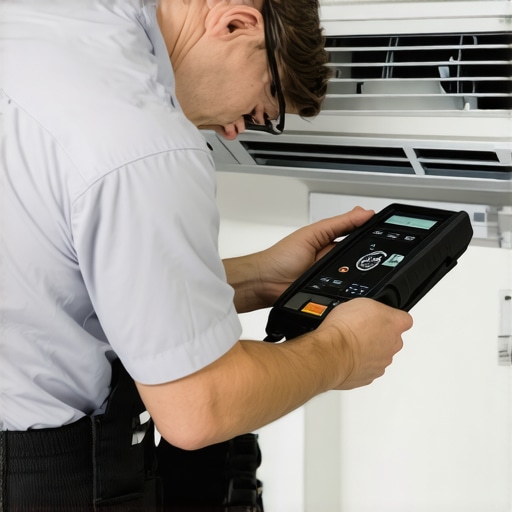
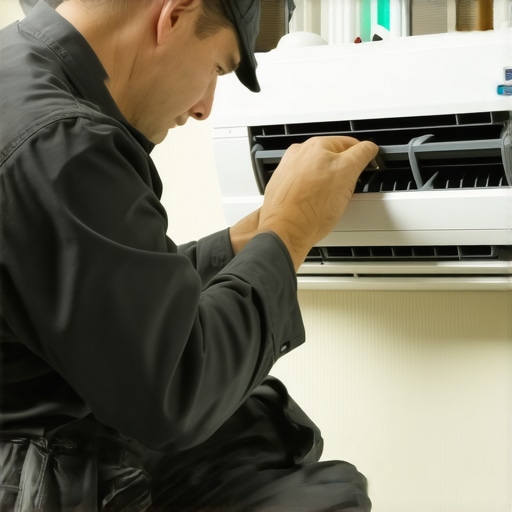
Image illustrating a technician inspecting a mini-split system, highlighting detailed diagnostic work for long-lasting repairs.
Many homeowners operate under misconceptions when it comes to HVAC repairs, often leading to costly mistakes. A prevalent myth is that all repairs are quickly and cheaply fixed, but in reality, rushing into repairs without understanding the nuances can cause more harm than good. For instance, some believe that replacing a single component will solve the problem, but without a comprehensive diagnosis, the issue might persist or recur. Expert diagnosis is crucial; it not only saves money but ensures long-term reliability.
Another misconception is that DIY repairs are always effective and safe. While minor maintenance tasks like changing filters are manageable, attempting complex repairs without proper training can damage your system or void warranties. A common trap is using generic parts or unverified replacements, which often fail prematurely. Always source high-quality, OEM parts and rely on certified professionals for repairs that last.
What most people overlook is the importance of preventive maintenance. Many believe repairs should only happen when something breaks, but regular inspections and servicing can catch issues early, avoiding expensive breakdowns. Skipping scheduled maintenance accelerates wear and tear, reducing the lifespan of your HVAC system. Trustworthy repairs combined with a proactive maintenance routine are the keys to lasting home comfort.
Why is it a mistake to ignore your system’s limitations?
Understanding your HVAC system’s capabilities helps prevent overloading it, which can lead to frequent failures and higher energy bills. For example, oversized or undersized units are often misjudged, resulting in inefficiency and increased strain. Proper sizing and system compatibility are critical, and only an expert can accurately assess and recommend suitable solutions. Trusting experienced professionals ensures your system operates optimally and lasts longer. Don’t fall for quick fixes or myths that downplay system limitations. Have you ever fallen into this trap? Let me know in the comments. Lastly, avoid neglecting to schedule regular inspections, as this can help identify potential issues before they escalate, saving you money and stress in the long run.
By debunking these common misconceptions and focusing on expert diagnosis, quality parts, and proactive maintenance, you can ensure your HVAC system provides reliable comfort for years. For more insights, visit this comprehensive guide.
How do I maintain my HVAC systems over time?
Maintaining your HVAC system, whether it’s a mini-split or furnace, requires a combination of the right tools, regular routines, and a bit of know-how. Over the years, I’ve found that investing in quality diagnostic equipment and adopting a systematic approach ensures longevity and efficiency. One of my go-to tools is a digital refrigerant gauge, which I use personally to monitor refrigerant levels in mini-splits. This device allows me to quickly identify leaks or low refrigerant issues that could impair performance and lead to costly repairs if left unchecked. Regularly checking refrigerant levels with this gauge helps prevent compressor strain and maintains optimal cooling efficiency.
Alongside gauges, I rely heavily on a reliable multimeter. It’s essential for diagnosing electrical issues, verifying voltage supply, and troubleshooting components like thermostats or contactors. I prefer a multimeter with auto-ranging capabilities because it speeds up testing and reduces errors. For me, having a high-quality multimeter has been instrumental in catching electrical anomalies early, saving me from surprise breakdowns.
In addition to diagnostic tools, software plays a crucial role. I recommend using HVAC-specific maintenance tracking apps, which help schedule periodic inspections, filter replacements, and system diagnostics. These apps send reminders based on your system’s usage and manufacturer recommendations, ensuring nothing slips through the cracks. Consistent documentation of repairs and maintenance routines simplifies future troubleshooting and enhances system longevity.
Looking ahead, I believe the trend will shift toward smart diagnostic tools integrated with IoT platforms. Imagine having your HVAC system equipped with sensors that continuously monitor performance metrics and alert you to issues before they escalate. This proactive approach can revolutionize maintenance routines, making them more efficient and less stressful.
What are the best practices for long-term HVAC maintenance?
Start by scheduling seasonal inspections with trusted professionals who use advanced diagnostic equipment. These inspections should include refrigerant checks, electrical testing, and thorough cleaning of coils and filters. I personally check filters monthly and replace them promptly; dirty filters drastically reduce efficiency and cause undue stress on components. For mini-splits, I regularly clean the evaporator and condenser coils with a soft brush and a coil cleaner spray—this keeps airflow unrestricted and heat exchange optimal. For furnaces, inspecting burners and electrical connections every year prevents minor issues from becoming major failures.
Remember, using OEM parts when replacements are necessary guarantees compatibility and durability. Cheap aftermarket parts may seem tempting but often fail prematurely, leading to more repairs down the line. I always carry a set of genuine replacement parts for common components like thermostats and contactors, which I source through trusted suppliers.
Finally, documenting every repair, upgrade, or maintenance activity helps track system health. I keep a detailed logbook, noting dates, parts replaced, and technician comments. This habit informs future troubleshooting and ensures you’re aware of your system’s history, reducing unnecessary service calls.
Try integrating a refrigerant gauge and a maintenance app into your routine today. These tools are game-changers for anyone serious about keeping their HVAC systems reliable and efficient for years. For more detailed tips on maintaining your heat pump or furnace, check out this comprehensive guide. Taking proactive steps now will save you money, stress, and ensure your home stays comfortable no matter what the future holds.
The Hardest Lesson I Learned About HVAC Repairs
One of my most eye-opening moments was realizing that not all repairs are created equal. Quick fixes often mask deeper issues, leading to repeat breakdowns and higher costs. I learned that investing in a thorough diagnosis from trusted professionals can save you time and money in the long run, ensuring your system truly lasts.
3 Myths About HVAC Maintenance That Held Me Back
For years, I believed that DIY fixes and cheap parts were enough to keep my system running smoothly. It wasn’t until I trusted OEM parts and relied on expert guidance that I finally saw my HVAC perform reliably and efficiently. These misconceptions slowed me down, but once I let go of them, my home became consistently comfortable.
What Experts Won’t Tell You About System Limitations
Many homeowners underestimate their HVAC system’s capabilities, leading to overloading or mismatched units. Understanding your system’s true capacity and proper sizing is crucial. Trusting professionals for accurate assessments ensures your system operates at peak performance and lasts longer, saving you stress and expense.
My Essential Toolkit for HVAC Longevity
My go-to tools include a digital refrigerant gauge and a reliable multimeter. These allow me to monitor refrigerant levels and electrical components, catching issues early. I also use maintenance tracking apps that remind me of seasonal inspections and filter changes, making proactive care effortless and effective.
Where to Go from Here
If you want to take control of your HVAC system’s longevity, start by scheduling seasonal inspections with trusted professionals. Use high-quality OEM parts for replacements, and adopt a proactive maintenance routine. For detailed guidance, explore this comprehensive heat pump maintenance guide to empower your journey towards reliable, lasting comfort.
Your Turn to Try Home Comfort Mastery
Remember, reliable HVAC repairs aren’t just about fixing what’s broken — they’re about building trust in your system’s ability to serve you for years. With the right tools, expert help, and proactive habits, you can enjoy peace of mind no matter the season. Ready to transform your home comfort routine? Share your experiences or questions below and let’s navigate this journey together!