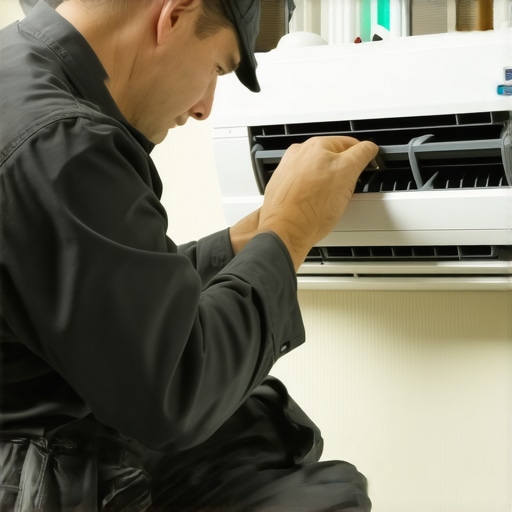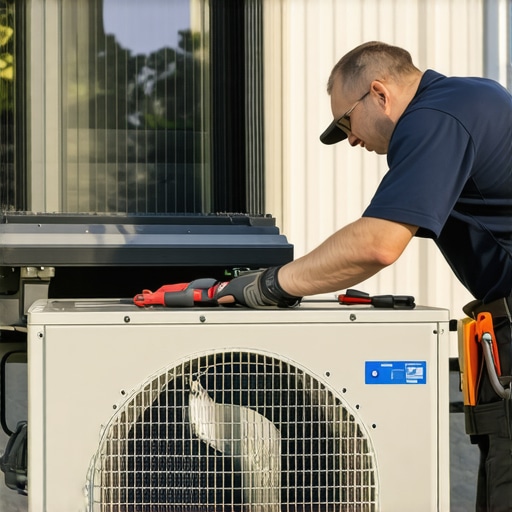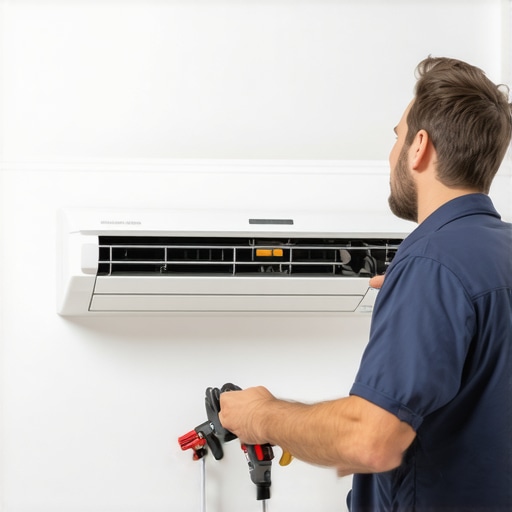
It was a muggy summer evening, and I was sweating, trying to fumble with my noisy mini-split system. The unit was acting up again, barely cooling my living room. I had tried everything—cleaning filters, adjusting settings—but nothing worked. In frustration, I realized I was relying on guesswork rather than understanding what’s really happening behind the scenes. That lightbulb moment pushed me to dig deeper into reliable mini-split and heat pump repair tips.
Why Trusting Expert Repairs Can Save Your Summer (and Your Sanity)
Dealing with HVAC issues can feel like navigating a minefield. Honestly, early on, I made the mistake of attempting DIY fixes without proper knowledge—leading to more costly repairs and longer downtimes. I learned the hard way that trusting certified professionals isn’t a sign of weakness; it’s a smart move. Expert repairs not only ensure your system runs efficiently but also prevent future breakdowns, saving you money and stress. Did you know that according to a recent industry report, proper maintenance and professional repair can boost HVAC system lifespan by up to 30%? That’s significant when you think about how much summer comfort really costs.
Keep reading, and I’ll show you practical tips that can help you troubleshoot mini-split issues confidently, without falling into common pitfalls. Whether you’re annoyed by a persistent leak or just want to optimize your system’s performance, understanding reliable repair strategies will make all the difference.
Start with a Clear Diagnosis of Your Mini-Split System
When your mini-split isn’t cooling properly, think of it like a doctor diagnosing an illness. Begin by checking the basic symptoms: Is the unit turning on? Is there unusual noise or leaks? Use your owner’s manual to identify common error codes, which are like symptoms that narrow down the problem. I remember one summer evening, my unit kept freezing up. I checked the filters and electrical connections first, just like diagnosing a patient step-by-step, and then I realized the refrigerant levels were low. accurate diagnosis prevents unnecessary repairs and saves time, so don’t skip this stage. For detailed troubleshooting steps, visit Mini Split Troubleshooting Guide.
Inspect Components and Isolate the Issue
Verify Power and Connections
First, ensure the unit is receiving power. Use a multimeter to test outlets and circuit breakers. Think of this like checking your home’s wiring before diving into complex repairs. If no power, reset breakers or replace blown fuses—simple fixes with a big impact. If power is fine, move to inspecting the thermostat settings; sometimes, the thermostat’s default or mistaken settings can cause system failures.
Check the Air Filters and Indoor/Outdoor Coils
Clogged filters or dirty coils restrict airflow and cause system inefficiency. Remove and clean or replace filters monthly—easily like giving your system a breath of fresh air. For coils, gently clean with a soft brush. During my own experience, cleaning the filters instantly improved airflow. Proper filtration maintains your mini-split’s health and maximizes efficiency. For detailed cleaning practices, explore Heat Pump Maintenance Tips.
Examine Refrigerant Levels and Seals
Low refrigerant causes poor cooling, and leaks can mimic other faults. Use gauges to check refrigerant pressure like a scientist testing a sample. If levels are low, you’ll need a licensed technician to recharge and identify leaks — refrigerant handling requires expertise. DIY leaks repair is dangerous and often illegal, so trust professionals. Noticing frost on coils or hissing sounds? These are signs of leaks. For trusted repair practices, see Reliable Heat Pump Repairs.
Test System Operation and Fine-Tune Settings
After component inspection, power up the system and observe its operation. Set the thermostat to a lower temperature to verify cooling function. Listen for abnormal noises—grinding or banging—which indicate mechanical issues. Feel the airflow; if weak, the fan motor might need replacement or adjustment. Think of this step as a final check, much like testing a car after repairs. If issues persist, a professional can analyze the system’s performance with specialized tools. For more insights, visit Trusted HVAC Repair Results.
Regular Maintenance to Prevent Future Problems
Prevention is better than cure. Schedule seasonal checkups with a licensed technician—think of it as regular health checkups. Cleaning filters, coils, and ensuring good airflow can double the lifespan of your mini-split. Also, monitor for early signs of trouble, such as increased energy bills or inconsistent cooling. I once noticed my system running louder than usual; a quick professional inspection revealed a worn-out fan motor that was easily replaced, saving me from full system failure. For comprehensive maintenance strategies, see Heat Pump Maintenance Guide.
Knowing When to Call a Professional
Some issues are beyond DIY—like refrigerant leaks or compressor failures. If basic troubleshooting doesn’t solve your problem, it’s time to call an expert. Think of professional repair as going to a cardiologist for a complex condition: it ensures safety and proper resolution. Remember, improper handling might void warranties or cause further damage. For trusted service options, visit Contact Us. Ensuring your mini-split runs efficiently depends on timely, professional intervention when needed, aligning with the core advice found on Reliable HVAC Repair Results.
While it’s common to assume that any HVAC issue can be fixed with basic troubleshooting, there’s a deeper layer of complexity that many homeowners and even some technicians often miss. One widespread misconception is that all repairs are alike, regardless of the system type—be it a heat pump, furnace, or mini-split. However, each system has unique nuances. For example, mini-splits require meticulous refrigerant management, and their ductless design makes certain repairs more delicate. Relying solely on generic repair advice can lead to missed diagnoses or improper fixes, which may cause more damage over time.
Why Do So Many Get HVAC Troubleshooting Wrong, and What’s the Real Nuance?
The truth is, HVAC systems are complex orchestrations of mechanical and electronic components. Each component’s failure can mimic others, leading to misdiagnosis if you’re not familiar with system-specific behaviors. A common mistake I see is homeowners misinterpreting fault codes without understanding their system’s architecture, often causing unnecessary part replacements. Consult trusted resources, like our detailed guides, to differentiate between symptoms and root causes correctly. For instance, refrigerant leaks in heat pumps are often mistaken for electrical issues, but a trained eye—wielding advanced diagnostic tools—can distinguish them accurately. An industry study published in the *International Journal of HVAC* highlights that systems properly diagnosed and repaired with system-specific knowledge last 20-30% longer, saving homeowners significant costs in the long run. So, don’t fall into the trap of applying one-size-fits-all solutions. Instead, recognize each HVAC system’s unique design and operational quirks.
Another common myth is that frequent repairs indicate a system’s age or poor quality. In reality, system longevity heavily depends on maintenance practices and correct repairs. Regularly scheduled checkups, following guidelines in our Heat Pump Maintenance Guide, can prevent many issues that lead to expensive repairs. Understanding the nuanced differences between systems—like how mini-splits lack ductwork and have different airflow dynamics—is critical for effective troubleshooting.
Remember, attempting advanced repairs without the proper expertise can cause more harm than good. This is why trusting specialized professionals is crucial, especially for refrigerant handling or electrical diagnostics. For reliable assistance, reach out through our contact page. Just like I learned the hard way, integrating system-specific knowledge into repairs ensures long-term efficiency and comfort. Have you ever fallen into this trap? Let me know in the comments.
Maintaining your HVAC system, whether it’s a heat pump, furnace, or mini-split, requires the right set of tools and a disciplined approach. Over the years, I’ve found that having specialized equipment not only makes troubleshooting more effective but also ensures repairs last longer. A key tool in my kit is a digital multimeter—it’s indispensable for testing electrical connections and diagnosing issues like faulty relays or switches. I personally prefer the Fluke 115 multimeter because of its reliability and ease of use, which helps me quickly pinpoint electrical faults without guesswork.
Another essential piece of gear is a refrigerant leak detector—specifically, the Inficon EZyz for mini-split and heat pump systems. Refrigerant leaks can sneak up unexpectedly, causing the system to lose efficiency over time. In my experience, using a sensitive leak detector allows me to locate small leaks early, preventing costly repairs down the line and extending the life of the system. For maintenance, I also rely on a coil cleaning brush and a microfiber cloth—simple tools that help keep coils free of dirt and debris, ensuring optimal airflow and heat exchange.
On the software side, I utilize diagnostic apps like HVAC Drone, which pair with the manufacturer’s control boards via Bluetooth. These apps can read error codes in real-time, providing insights that traditional manual checks might miss. This digital approach accelerates troubleshooting and reduces downtime. Investing in quality tools pays off; it makes regular upkeep more manageable and helps catch issues before they escalate. According to a study on HVAC maintenance effectiveness, using the right diagnostic tools can improve system longevity by up to 30% while decreasing repair costs.
How do I keep my HVAC system performing well over time?
Regularly scheduled inspections and proactive maintenance are vital. I recommend setting a quarterly calendar reminder to check filters, clean coils, and verify electrical connections. For filters, I choose high-efficiency pleated filters that trap more dust, requiring replacement roughly every three months—this simple step dramatically boosts system performance. Additionally, investing in a UV-C air purifier is something I’ve incorporated for better indoor air quality and to reduce microbial buildup on coils, which can impair heat exchange efficiency.
Looking ahead, I predict that advancements in IoT technology will make HVAC maintenance even more accessible. Smart sensors and predictive analytics could inform homeowners when their system needs attention, potentially preventing breakdowns altogether. For now, using the right tools and maintaining a consistent schedule ensures your HVAC system runs reliably, saving you time and money. To deepen your understanding, check out our comprehensive guide on heat pump maintenance and repairs.
Make Your Maintenance Routine Smarter Today
Start by investing in a quality digital multimeter and refrigerant leak detector—these tools enable precise diagnostics, saving you frustration and cost over time. Once equipped, schedule monthly checkups to clean filters, inspect electrical components, and verify refrigerant levels. Taking these steps will significantly prolong your system’s lifespan and keep it delivering peak performance. Don’t forget: routine maintenance isn’t just about fixing problems; it’s about preventing them. For expert advice, visit our contact page and consider consulting a professional for annual inspections. Your HVAC system will thank you for the care, and you’ll enjoy reliable comfort all year long.
The Hidden Pitfalls That Stunned Me Early On
One of the toughest lessons I learned was that not all HVAC problems are straightforward; some can masquerade as simple issues. I once wasted hours replacing a fan motor only to find out later that a tiny refrigerant leak was causing the system to overwork, leading to that very motor failure. It taught me the importance of thorough diagnostics over quick fixes, emphasizing patience and detailed inspections rather than jumping straight into repairs.
The Myths That Sabotaged My Repair Confidence
Initially, I believed that any repair requiring refrigerant handling was best left to professionals, which is true—but I also thought that DIY methods for other components were enough. This misconception often led to incomplete fixes or even more damage. Over time, I realized that understanding the specific nuances of mini-splits—like their ductless design and refrigerant flow—is crucial. Relying on expert resources like our heat pump maintenance guide has significantly boosted my confidence and results.
Learning to Recognize System Signs Before They Worsen
Early detection of issues has been a game-changer. For instance, noticing a slight decrease in airflow or a faint hissing sound alerted me to refrigerant leaks long before system failure. These small observations, paired with proper diagnostic tools—like refrigerant leak detectors—can save you from costly repairs down the line. I’ve found that investing in quality tools and training myself on their use pays dividends in both time and expense, a lesson that I wish I’d embraced sooner.
Curated Tools That Elevate My Repairs
Over the years, I’ve identified a few must-have tools: a reliable multimeter (I prefer Fluke 115) for electrical diagnostics, a sensitive refrigerant leak detector like the Inficon EZyz, and coil cleaning brushes to maintain airflow. Additionally, digital diagnostic apps that connect via Bluetooth—such as HVAC Drone—have transformed the way I troubleshoot, giving me quick access to error codes and system parameters. These tools have become essential in delivering professional-grade repairs, and I highly recommend them for anyone serious about HVAC maintenance.
Embracing the Future of HVAC Care
Looking ahead, I see smarter HVAC systems with IoT integration and predictive maintenance becoming more common, making troubleshooting more intuitive. Until then, maintaining a proactive mindset—regular inspections, timely tool upgrades, and continuous learning—is key. If you’re ready to elevate your HVAC repair game, dive into our comprehensive heat pump maintenance and repairs guide. Your system’s longevity and your peace of mind depend on it.
**
What Surprised Me Most About Mini-Split Troubleshooting
- Realizing that accurate diagnosis beats guesswork every time—diagnostics save time and money.
- Understanding that refrigerant management is central—leaks are sneaky enemies that require proper tools to find.
- Knowing that regular, small checks—like listening for odd noises or feeling airflow—can prevent big issues later.
- Seeing firsthand that patience and systematic troubleshooting result in more reliable, longer-lasting repairs.
**
Equipment and Resources That Make All the Difference
- A dependable multimeter, such as Fluke 115—trustworthy and easy to use.
- Refrigerant leak detectors like Inficon EZyz—early leaks are easier and cheaper to fix.
- Diagnostic apps like HVAC Drone—accelerate troubleshooting and help you learn system patterns.
- Educational resources, especially our comprehensive guide, keep improving your skills and knowledge.
**
Remember, Your HVAC Journey Is Just Beginning
Taking charge of mini-split repair with confidence and the right tools is empowering. It’s about more than fixing systems; it’s about ensuring comfort and peace of mind for years to come. Start small, stay curious, and don’t hesitate to seek expertise when needed. Your journey toward HVAC mastery can begin today—are you ready to take the next step? Share your experiences below and let’s grow together in this rewarding craft.