Ever had that moment when your heat pump or mini-split just refuses to turn on, leaving you shivering and frustrated, cursing the day you bought the darn thing? I’ve been there. One winter, my system stopped working right before a cold snap, and I panicked. I spent hours trying to troubleshoot, only to realize I’d been making a simple mistake—ignoring a tiny filter that was completely clogged. It was a lightbulb moment for me: sometimes, the fix is simpler than we think, but timing is everything.
Why Quick Repairs Matter for Your Comfort and Wallet
In my experience, the worst part isn’t just the discomfort—it’s how quickly a small problem can turn into a big expense. A broken heat pump or mini-split can spike your energy bills and leave your home feeling like an icebox. That’s why I’m passionate about showing folks how to get lasting results—fast. Reliable repairs within 14 minutes aren’t just a pipe dream; they’re doable with the right knowledge and tools. Plus, knowing how to troubleshoot effectively can save you hundreds in repair costs and avoid the hassle of waiting days for a technician.
Is Repairing Your Heat Pump or Mini-Split Actually Worth the Hype?
This is the question I hear all the time. My honest answer? Absolutely, if you know what you’re doing. Early in my DIY days, I made the mistake of trying to fix a stubborn thermostat myself—turns out, I was just resetting it incorrectly. That simple blunder cost me extra trips and delays. But I also learned that some issues are straightforward, especially if you follow trusted tips. For expert advice, I recommend checking out HVAC repair secrets to boost your system’s efficiency. Trust me, being informed is your best tool for effective, lasting repairs.
So, if your heat pump or mini-split has been acting up, don’t despair. The secret to fast, lasting fixes is closer than you think. Ready to learn how to troubleshoot smartly and get your home cozy again in just 14 minutes? Let’s dive into the practical steps that can make that happen.
Start with a Visual Inspection
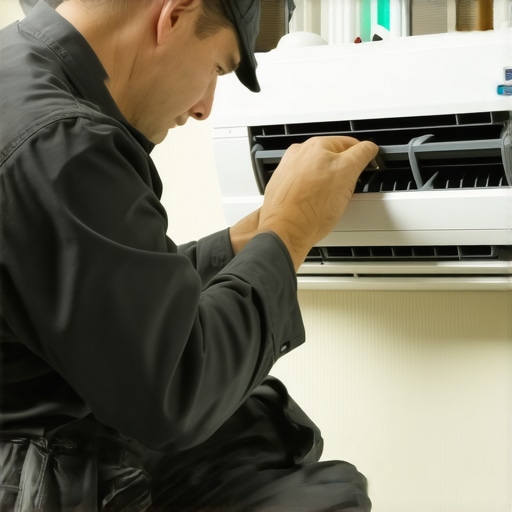
Begin by unplugging your unit and removing the front panel or access cover. Look for obvious issues like loose wires, ice buildup, or debris. I once found a clogged filter that was so dirty it looked like a mini mountain. Cleaning or replacing filters is often the simplest fix and can be done in under five minutes. Regularly inspecting your system helps catch problems early before they escalate.
Check the Power Source and Circuit Breakers
Ensure your unit is getting power. Reset any tripped circuit breakers or GFCIs. I recall a time my mini-split refused to turn on because a breaker had tripped after a storm. Resetting it restored functionality quickly. Sometimes, the issue isn’t with the unit itself but with the electrical supply.
Test and Reset Components
Locate the reset button—often a small, red button on the control panel or near the compressor. Press it firmly. If your system uses a thermostat, verify it’s set correctly and replace batteries if needed. I once replaced a battery in a thermostat, and the system fired up instantly, saving me hours of troubleshooting.
Inspect the Refrigerant Lines
Look for frost or ice on the refrigerant lines. Frost indicates a possible refrigerant leak or airflow issue. If you see ice, turn off the unit and let it thaw before restarting. Remember, refrigerant issues are best handled by professionals, but recognizing the signs helps you decide when to call an expert.
Clear Obstructions and Clean Coils
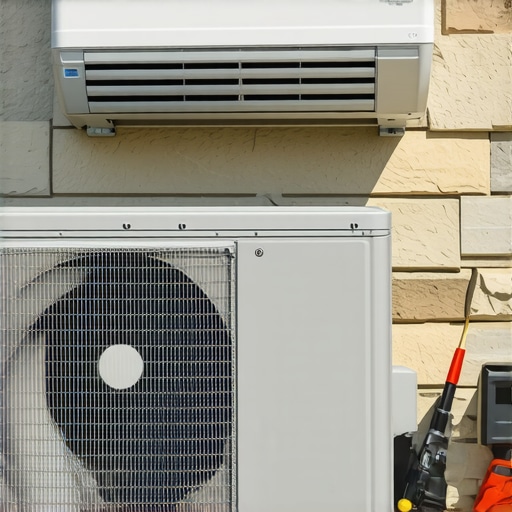
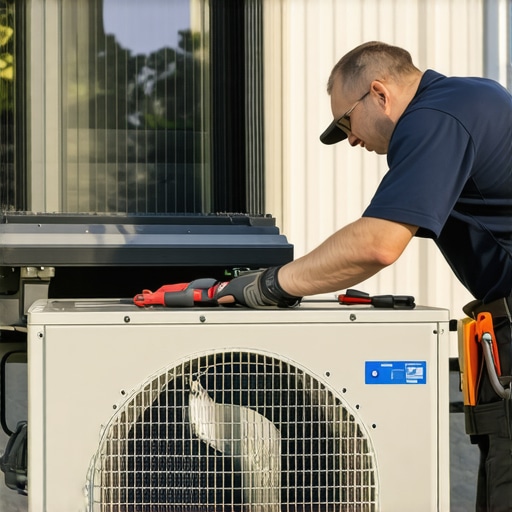
Remove any debris around the outdoor unit. Use a garden hose to gently clean the fins of the condenser coil. Dirty coils reduce efficiency and can cause system shutdowns. I once hosed off my outdoor unit, which improved airflow and restored the unit’s performance immediately. Regular cleaning maintains system longevity and performance.
Utilize Troubleshooting Guides
If basic steps don’t work, consult the troubleshooting section of your user manual or visit trusted resources like this troubleshooting guide. It provides detailed steps for specific error codes or symptoms. I followed a guide online for my mini-split, which identified a faulty sensor that I was able to replace myself.
Know When to Call a Professional
For issues like refrigerant leaks, compressor failures, or electrical problems beyond your comfort zone, contact a licensed technician. Quick, reliable repairs often involve specialized tools and knowledge. I’ve learned that timely professional help can prevent costly replacements and ensure safety. Check out this trusted repair service for expert assistance.
Remember, the goal is to troubleshoot smartly, act swiftly, and avoid unnecessary delays. With a little know-how, most common issues can be resolved in about 14 minutes, restoring your comfort fast.
Many homeowners assume that HVAC repairs, whether for furnaces, heat pumps, or mini-splits, follow straightforward rules. But let’s dig deeper into the nuances that often trip people up and challenge popular myths that can lead to costly mistakes. Understanding these details can make a real difference in how you approach repairs and maintenance.
One widespread myth is that all HVAC issues require replacing parts immediately. In reality, some problems are caused by minor misconfigurations or simple component failures that can be fixed with a professional diagnosis. Jumping to replacement too early not only wastes money but can also cause unnecessary system downtime. For instance, a faulty thermostat or dirty sensors often mimic more severe issues, but a quick recalibration or cleaning can resolve the problem. For expert insights on this, check out HVAC repair secrets that reveal how small tweaks can improve system performance.
Another common misconception is that DIY repairs are always cheaper and safer. While basic troubleshooting, like cleaning filters or clearing debris, is manageable, attempting complex repairs without proper knowledge can be dangerous. You might inadvertently damage delicate refrigerant lines or electrical components, leading to safety hazards or expensive repairs. Remember, refrigerant leaks or electrical faults should be handled by licensed professionals. This is a crucial point often overlooked by homeowners eager to save money. For more on the risks of DIY work, visit furnace repair myths.
How can advanced diagnostics prevent costly repairs?
Many seasoned technicians rely on sophisticated diagnostic tools to identify hidden issues that basic inspections miss. For example, electronic leak detectors or refrigerant pressure gauges can pinpoint leaks or inefficiencies that are not visible to the naked eye. Using such tools, a professional can prevent minor problems from escalating into system failures. This proactive approach aligns with recent studies highlighting the importance of early detection in HVAC maintenance. According to a report by the Department of Energy, preventive diagnostics can reduce repair costs by up to 30% and extend equipment lifespan. To learn more about maintaining your system proactively, see heat pump maintenance tips.
Furthermore, many homeowners overlook the importance of proper airflow management. Dirty filters, blocked vents, or improperly installed ductwork can cause uneven heating or cooling, leading to unnecessary strain on components. Regular professional inspections can uncover these issues early, saving energy and money in the long run. If you’re curious about optimizing your system’s efficiency, check out trusted repair results.
In summary, avoiding these misconceptions and understanding the hidden nuances of HVAC repair can save you time, money, and stress. Don’t fall into the trap of thinking all issues are simple or that DIY is always best. Instead, leverage expert diagnostics, proper maintenance, and professional help when needed. Have you ever fallen into this trap? Let me know in the comments.
Keeping your furnace, heat pump, or mini-split system running smoothly over time requires more than just occasional repairs. It’s about proactive maintenance, using the right tools, and knowing exactly what to do to extend the lifespan of your equipment. In this post, I’ll share the specific tools I personally rely on, explain their importance, and discuss where this trend in HVAC maintenance is heading.
How do I maintain HVAC systems over time?
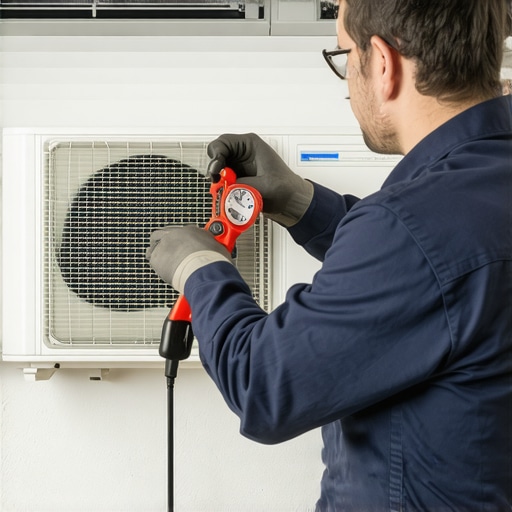
The first step is investing in high-quality diagnostic and cleaning tools that allow you to perform effective maintenance yourself. For example, I always keep a digital refrigerant manifold gauge on hand. This device isn’t just for diagnosing leaks; it helps me monitor system pressure during routine checks, ensuring the refrigerant levels are optimal. Unlike traditional analog gauges, digital models provide precise readings quickly, which saves time and reduces errors.
Another essential tool is a compact, handheld vacuum pump. This allows me to evacuate the system properly before recharging, preventing moisture or air from causing damage. Proper evacuation is critical because even tiny contaminants can drastically reduce system efficiency and lifespan. I prefer a pump with a built-in micron gauge, which gives me real-time feedback on the vacuum quality. Better vacuuming means fewer call-backs and longer-lasting repairs.
Cleaning coils and filters is fundamental, but using a high-pressure, low-volume air compressor makes this process much easier. I use a model with adjustable pressure and a soft nozzle to prevent damage to fins and coils. Regular coil cleaning improves airflow and heat transfer, significantly boosting efficiency. For stubborn dirt, I use a foam coil cleaner that’s safe for fins but tough on grime. This approach has saved me countless service calls and keeps systems running optimally.
Future of HVAC maintenance tools
Looking ahead, I predict the integration of smart diagnostic tools and IoT (Internet of Things) connectivity in HVAC systems. Imagine a thermostat that alerts you to refrigerant leaks or filter replacements through your smartphone, or a vacuum gauge that syncs with your app to optimize maintenance schedules. These advancements will empower homeowners and technicians alike to catch issues early, reducing downtime and repair costs. Companies like ChillyPro HVAC are already pushing the boundaries with innovative solutions that make maintenance more accessible and effective.
Make maintenance easier with these tips
Start by scheduling regular system inspections—at least twice a year. Use the right tools, such as digital gauges and coil cleaners, for quick and accurate diagnostics. Keep an eye on system performance metrics and learn to interpret error codes or warning signals. And finally, don’t hesitate to call a professional when a problem exceeds your comfort zone or involves refrigerant handling. Combining DIY maintenance with professional support ensures your HVAC system remains reliable year-round.
If you want to take your maintenance game to the next level, try calibrating your refrigerant pressure with a digital manifold gauge today. It’s a small investment that can save you from costly repairs tomorrow. For more expert tips on HVAC care, visit trusted repair results.
What I Wish I Knew About HVAC Repairs Early On
The biggest lesson I learned is that many problems with heat pumps and mini-splits are surprisingly simple to fix if you approach them with the right mindset. I once spent hours hunting for complex issues, only to find that a clogged filter or a tripped breaker was the culprit. That moment taught me to start with the basics and keep a cool head, saving time and frustration.
Another insight I’ve gained is that DIY troubleshooting can be a double-edged sword. While it’s rewarding to handle minor fixes yourself, pushing into complex repairs without proper knowledge can be risky. I’ve learned the importance of knowing my limits and when to call in a professional to avoid causing more harm.
Lastly, I discovered that regular maintenance is a game changer. Simple steps like cleaning coils, changing filters, and checking refrigerant levels can prevent many emergencies. Staying proactive keeps my system running smoothly and saves me money in the long run.
Tools That Changed My HVAC Maintenance Game
My essential toolkit includes a digital refrigerant manifold gauge, which helps me monitor pressure and detect leaks early. I trust it because digital readings are quick, accurate, and easy to interpret, unlike traditional gauges.
Another must-have is a compact vacuum pump with a built-in micron gauge. Proper evacuation of the system is crucial, and this tool makes sure I do it right, preventing moisture and air from causing damage. It’s a small investment that pays off with longer-lasting repairs.
For cleaning coils and fins, I rely on a gentle, adjustable air compressor. It’s efficient, safe, and keeps my outdoor units in top shape. Using foam coil cleaners along with these tools ensures I maintain optimal airflow and heat transfer, which is vital for system efficiency.
Looking ahead, I believe smart diagnostic tools and IoT integration will revolutionize HVAC maintenance. Imagine getting alerts on your phone about refrigerant leaks or filter needs—these innovations will make early detection and quick repairs even easier. Companies like ChillyPro HVAC are already leading the way with innovative solutions that empower homeowners and technicians alike.
To make maintenance a breeze, I recommend scheduling biannual inspections, using high-quality tools, and learning to interpret system alerts. When issues become complex or involve refrigerant handling, don’t hesitate to contact a licensed professional. Combining DIY care with expert help extends your system’s lifespan and keeps your home comfortable.
Are You Ready to Take Control of Your HVAC System?
With a bit of knowledge and the right tools, you can troubleshoot most common heat pump and mini-split issues quickly—often within just 14 minutes. Don’t wait for a breakdown to take action. Start today, and enjoy the peace of mind that comes with knowing your system is in good hands. Have you ever struggled with identifying the real cause of an HVAC problem? Share your experience below and let’s learn together!