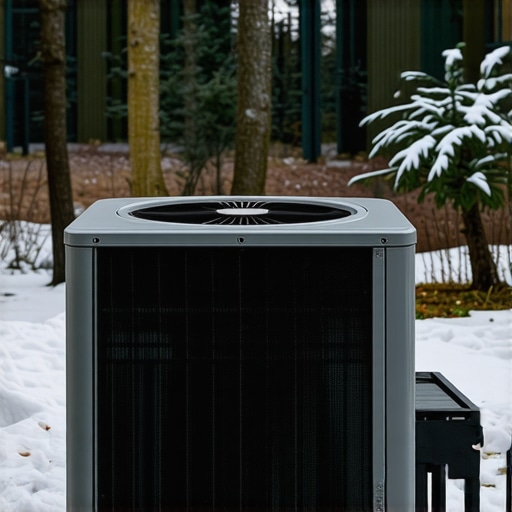
There was a chilly Saturday last winter when I finally realized my heat pump was giving me the cold shoulder. I was bundled up, expecting a warm house, only to be met with silence and a shivering realization that my system had decided to take a break when I needed it most. That moment of frustration turned into a lightbulb moment: I needed to get serious about understanding how to keep my home cozy without the headaches of unexpected breakdowns.
Why Staying Ahead of HVAC Repairs Is a Game Changer in 2024
Let’s be honest. No one wants to wake up freezing because their heat pump decided to quit on a cold night. But the truth is, many homeowners only realize their system is on its last legs when it’s already malfunctioning. That’s a costly mistake I made early on. Instead of waiting for a breakdown, I learned that proactive maintenance and swift repairs can save a lot of stress and money. And with 2024 bringing new tech and better repair options, there’s no reason to suffer in the cold. In fact, experts say that regular checkups and timely fixes can boost efficiency by up to 30%, which means lower bills and more reliable comfort. Want to keep your home warm and your system happy? Stick around. We’re about to explore proven ways to maintain your heat pump and mini-split systems, so you won’t be left in the cold again.
Is It Really Worth Investing in Repairs and Maintenance?
I used to think I could just wait until something broke. Big mistake. Early in my journey, I ignored minor issues, thinking they’d fix themselves. Spoiler: they didn’t. That oversight cost me a lot more in repairs down the line. Now, I know that trusting seasoned professionals for reliable repairs — like those from trusted HVAC repair experts — is the smartest move. They can identify problems before they become disasters, saving money and ensuring lasting comfort. Curious about how to spot the signs of trouble early? I’ll share my top tips soon, along with some insider secrets to getting the most out of your system. If you’re tired of unpredictable cold snaps or skyrocketing energy bills, this guide is just what you need to take control of your home’s climate. Ready to turn your heat pump into a reliable powerhouse? Let’s dive in and uncover how to keep your system running smoothly all year round.
Check Your System Regularly
Think of your heat pump or mini-split like a car; regular inspections prevent breakdowns. I once scheduled a routine check during a slow week, and the technician caught a minor refrigerant leak that, if ignored, would have cost me a hefty repair bill in the cold. Set a reminder to review filters, vents, and listen for unusual noises. This proactive step keeps your system running smoothly and prevents unexpected failures.
Clean and Replace Filters Often
Filters are the lungs of your HVAC system. A clogged filter is like trying to breathe through a straw — it strains the system and reduces efficiency. During winter, I swapped out my filters every month, especially after noticing reduced airflow. This simple habit boosts performance and extends the lifespan of your system. For detailed guidance, visit this comprehensive maintenance guide.
Inspect and Clear Drain Lines
Blocked drain lines can cause water damage and system shutdowns. I once ignored a slow-draining unit, which led to moisture buildup and a costly repair. To avoid this, check your drain lines quarterly, flush them with a mixture of vinegar and water, and ensure they are free of debris. Regular cleaning prevents water backups and keeps your system healthy.
Maintain Proper Thermostat Settings
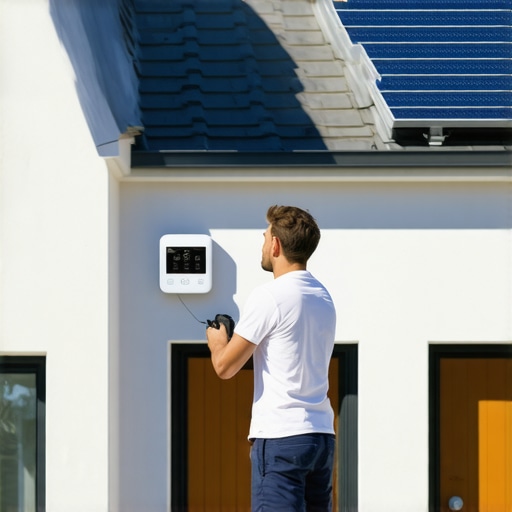
Smart thermostat use can save energy and prevent unnecessary wear. During a cold snap, I lowered my thermostat at night and used a programmable setting to warm the house before waking up. This reduces strain on the system and improves efficiency. Make sure your thermostat is calibrated correctly. Misreading can cause your system to cycle more often, increasing wear and tear.
Schedule Professional Maintenance
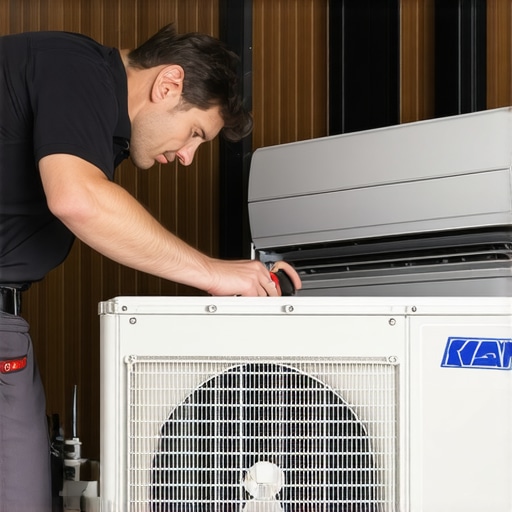
While DIY tasks help, professional tune-ups are essential. I hired experts from trusted HVAC repair specialists who performed a detailed inspection, recharged refrigerant, and checked electrical components. A yearly service appointment can catch issues early, ensuring reliable performance and extending your system’s life.
Monitor System Performance and Energy Bills
Keep an eye on how your system performs. A sudden spike in energy bills or inconsistent heating signals a problem. Once, I noticed my bills increased without explanation; a technician discovered a failing compressor. Regular monitoring helps catch these signs early. Use smart home apps or manual checks to track your system’s efficiency.
Learn Troubleshooting Basics
Knowing a few troubleshooting tricks can save time and money. For minor issues like a frozen coil or inconsistent airflow, consult this troubleshooting guide. If problems persist, don’t hesitate to call professionals for repairs. Quick action prevents minor glitches from turning into major failures.
Prioritize Professional Repairs
When repairs are needed, always choose qualified technicians. I once tried a quick fix that worsened the problem; now I rely on experts from trusted repair services. Their experience ensures repairs are done right the first time, saving you money and hassle in the long run.
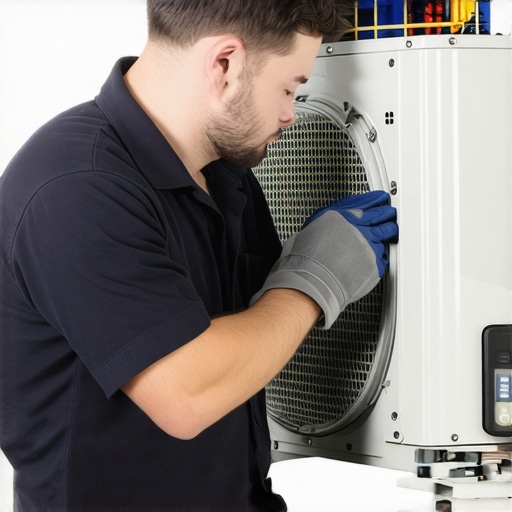
Many homeowners fall prey to misconceptions about HVAC repair and maintenance, often leading to costly mistakes. One of the most pervasive myths is that DIY fixes are always sufficient for minor issues. While some simple tasks like replacing filters or cleaning drain lines can be managed with proper guidance, attempting complex repairs without professional expertise can cause more harm than good. For example, meddling with refrigerant levels or electrical components can lead to system damage or safety hazards. Always consult trusted experts, like those from trusted HVAC repair services, for repairs beyond basic maintenance.
Another misconception is that ignoring small symptoms won’t affect your system long-term. Many homeowners dismiss minor issues such as unusual noises, increased energy bills, or inconsistent heating. However, these signs often indicate underlying problems that, if left unaddressed, can escalate into major failures. Regular professional inspections can catch these issues early, saving you money and ensuring continuous comfort. For more insights, check out this article on boosting HVAC efficiency.
People also believe that all repair parts are interchangeable or that generic replacements are just as reliable as OEM parts. This is a dangerous assumption. Using cheap or incompatible parts can compromise system performance and longevity. Trusting certified parts recommended by your service technician guarantees proper fit and function. If you’re unsure about whether your system needs professional attention, visit this comprehensive guide to heat pump maintenance.
Is It Better to Delay Repairs for Cost Savings
Many homeowners think postponing repairs will save money, but this often backfires. Small issues like refrigerant leaks or worn-out capacitors can seem insignificant but tend to worsen over time. When delayed, repairs become more complicated and expensive, possibly leading to complete system replacements. Moreover, running a malfunctioning HVAC system reduces efficiency, resulting in higher energy bills. Regular maintenance and prompt repair not only extend your system’s lifespan but also optimize energy use. For reliable results, consider scheduling professional inspections and repairs through trusted specialists.
Remember, staying ahead of potential problems is the best strategy. If you notice unusual behavior in your HVAC system, don’t hesitate to reach out to experts via this contact page. Have you ever fallen into this trap? Let me know in the comments!
How do I maintain my HVAC system over time
Maintaining your HVAC system, especially heat pumps and mini-splits, requires a combination of the right tools and consistent habits. One of my favorite tools is a digital refrigerant leak detector, which I personally use every season. It helps me identify tiny leaks early, preventing costly repairs and ensuring the system runs efficiently. I also rely on a high-quality microfiber cloth and a soft brush to clean coils and vents without damaging sensitive components. Regularly checking the system’s electrical connections with a multimeter is another tip I swear by; it allows me to catch loose wiring or faulty capacitors before they cause failures.
Why I recommend specific maintenance software and monitoring tools
In addition to physical tools, I’ve adopted smart monitoring systems like the Nest or Ecobee smart thermostats. These devices provide real-time alerts about system performance and energy consumption, which I find invaluable. For example, if my energy bills suddenly spike, I get a notification, prompting me to investigate. Over time, this proactive approach has saved me hundreds of dollars and kept my system in top shape. Looking ahead, I predict that AI-enabled diagnostic tools will become more affordable and widespread, allowing homeowners to perform even deeper self-checks and schedule repairs before major issues develop.
Best practices for long-term HVAC care
Beyond tools, setting a routine maintenance schedule is crucial. I schedule a professional inspection at least once a year, focusing on refrigerant levels, electrical components, and overall system health. For DIY, I make it a habit to replace filters monthly, especially during peak usage times. Using high-efficiency filters can reduce strain on your system and improve indoor air quality. Also, keep drain lines clear by flushing them with vinegar or specialized cleaning solutions every few months. These small habits, combined with the right tools, ensure your HVAC system remains reliable for years.
What’s next for HVAC maintenance technology
As technology advances, I believe we’ll see even smarter maintenance tools that integrate seamlessly with home automation systems. Imagine an app that not only alerts you to issues but also predicts failures based on usage patterns and historical data—much like predictive health apps for humans. This trend toward predictive maintenance will make it easier than ever to keep systems running smoothly without constant manual oversight. So, I encourage you to try out a smart thermostat or leak detection device today, and stay ahead of problems before they start. For professional help or complex repairs, don’t forget to contact trusted experts through this link.
When I faced my first major heat pump failure during a freezing winter night, it was a wake-up call about the importance of proactive upkeep. Since then, I’ve learned that the real key to home comfort isn’t just fixing problems as they arise, but understanding how to prevent them altogether. Regular maintenance, expert repairs, and smart monitoring have transformed my approach, saving me money and stress. In 2024, embracing these lessons can make your heat pump more reliable and efficient, ensuring cozy winters no matter how harsh the weather gets.
What The Hardest Lesson I Learned About Heat Pump Care
- Small issues snowball fast: Ignoring minor symptoms like strange noises or minor leaks can lead to costly repairs or complete system failure. Early intervention is everything.
- DIY isn’t always safe or effective: While simple filter changes are manageable, complex repairs require a professional touch. Misdiagnosing refrigerant leaks or electrical problems can cause more harm than good.
- Trust the experts: Building a relationship with a trusted HVAC technician means fewer surprises and quicker fixes. I rely on professionals from trusted HVAC repair services for peace of mind.
- Smart tech is a game-changer: Monitoring systems like smart thermostats and leak detectors help catch issues early, often before I even notice them. This proactive approach keeps my system running smoothly.
- Consistency is key: Regular professional inspections and routine DIY habits like filter replacement extend the lifespan of your heat pump and prevent unexpected breakdowns.
My Go-To Tools and Resources for Long-Term HVAC Success
- Digital refrigerant leak detectors: A small investment that alerts me to tiny leaks early, saving money and energy.
- Smart thermostats like Nest or Ecobee: These devices provide real-time performance alerts and allow me to optimize settings remotely.
- Professional inspection services: Trusted experts from reliable repair specialists recommend annual tune-ups for peak performance.
- DIY maintenance guides: Resources like the ultimate heat pump maintenance guide keep me informed about best practices.
Now It’s Your Turn to Make a Change
Taking control of your heat pump’s health doesn’t have to be complicated. Start with small habits like regular filter changes and monitoring energy bills, then build up to professional inspections. With the right tools and knowledge, you can ensure your home stays warm and your system lasts for years to come. Don’t wait for a cold snap to realize the importance of proactive maintenance—your comfort depends on it. Ready to give your heat pump the care it deserves? Dive into expert tips and trusted repair options today.
Have you ever struggled with diagnosing or fixing your heat pump? Share your experiences below and let’s learn from each other!