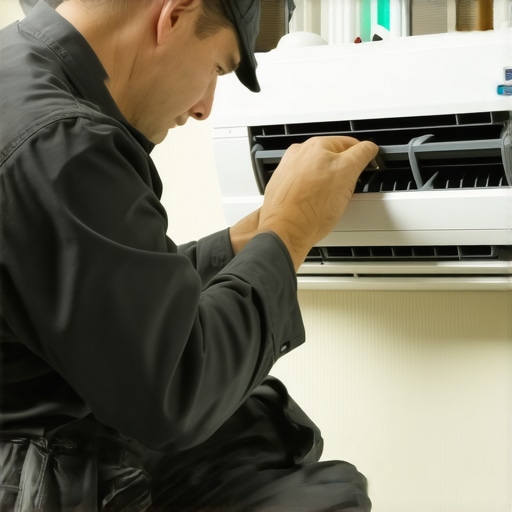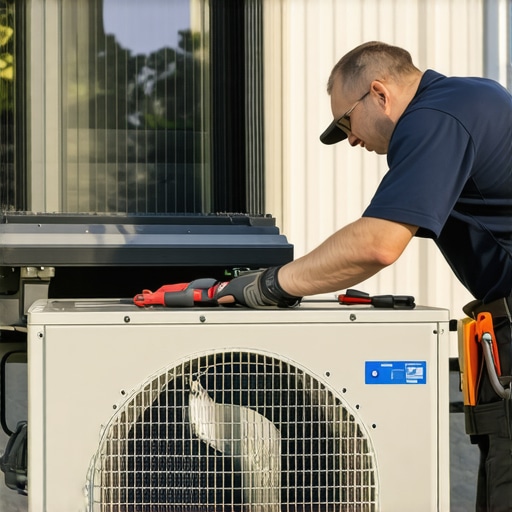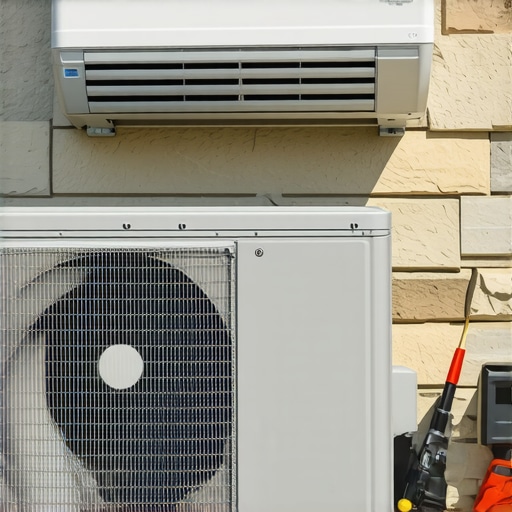
I remember the moment vividly—my mini-split unit suddenly stopped cooling on the hottest day of summer. I was drenched in sweat, frustration mounting as I fiddled with buttons and checked filters, thinking I could handle it myself. That lightbulb moment made me realize something essential: owning an HVAC system means more than just flipping a switch; it’s about understanding how to keep it in top shape for those critical weather moments. Have you ever faced a similar frustrating situation where your heat pump or mini-split failed just when you needed comfort the most? If so, you’re not alone. Today, I’ll share practical, proven tips to ensure your HVAC systems in 2024 deliver the lasting comfort you deserve.
Why Proper Maintenance Matters More Than Ever
Is DIY Repair Actually Worth the Risk?
Early in my journey, I made a costly mistake—jittery about calling in a pro I tried to troubleshoot my heat pump myself. Instead of saving money, I ended up with a more severe issue and an expensive repair bill. That experience taught me the importance of knowing when to DIY and when to trust the experts. For instance, simple troubleshooting can be effective, but complex problems often require professional_attention. If your system shows signs of trouble, don’t hesitate to check out helpful guides like Mini-Split Troubleshooting to determine whether it’s time to call a professional. Proper maintenance isn’t just about fixing issues; it also prevents breakdowns and extends the lifespan of your equipment. A recent study from the Department of Energy indicates that regular HVAC maintenance can improve efficiency by up to 30%, saving you money in the long run. So, the question isn’t just about fixing what’s broken but proactively preventing problems before they disrupt your comfort.
Diagnose the Issue Before Emergency Mode Kicks In
Imagine your mini-split suddenly blowing warm air on a scorching day. First, verify if the thermostat settings are correct and the unit’s power supply is intact. Turn off the system, then inspect filters and outdoor units for dirt or obstructions—think of it like clearing the path before busy traffic. Remember, many problems are simple blockages or dirty filters, but if these steps don’t resolve the issue, refer to Mini-Split Troubleshooting for guidance on when to call a professional. Taking this initial step prevents unnecessary service calls and keeps your system running smoothly.
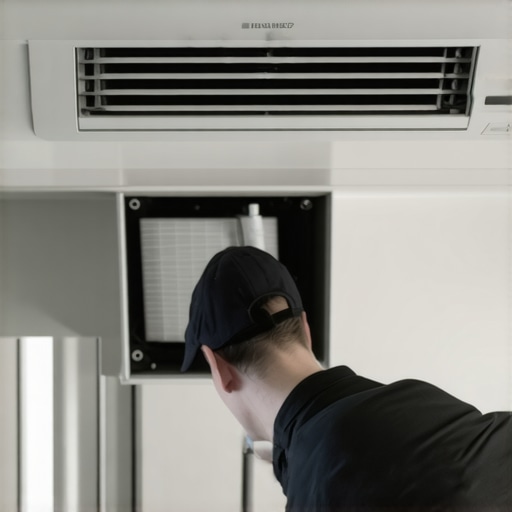
Check and Replace Critical Components with Confidence
Know your system parts—fans, thermostats, contactors, and capacitors—are like the engine, transmission, and brakes in a car: essential for smooth operation. When troubleshooting, look for obvious signs of wear, burn marks, or leaks. For example, I once found swollen capacitors in my heat pump, which was causing irregular heating. Carefully discharge capacitors, then replace them with the exact specifications. Use protective gloves and consult your unit’s manual. For complex fixes, consult detailed guides like Heat Pump Maintenance. This hands-on approach speeds up recovery and deepens your understanding of your HVAC system.
Test Your Repairs and Optimize Performance
After replacing or fixing components, power up the system and observe its operation. Listen for unusual noises, check airflow, and verify temperature outputs. For instance, after a capacitor replacement on my furnace, I noticed the heat cycling became more stable, and the warm air was more consistent. Use a digital thermometer to measure output temperatures and compare them to manufacturer specs. If the system still underperforms, review the HVAC Repair Secrets for advanced tuning tips. Routine testing and tweaking ensure your repair sticks and your system operates at peak efficiency.
When it comes to HVAC repairs, many homeowners hold misconceptions that can lead to costly mistakes. One common myth is that all repairs are straightforward DIY fixes. While some minor issues like filter replacements are simple, attempting complex repairs on mini-splits or heat pumps without proper training can cause more harm than good. This trap often results in these systems performing inefficiently or breaking down sooner, emphasizing the importance of knowing when to call in the professionals—like those outlined in Mini-Split Troubleshooting. Additionally, many believe that regular maintenance isn’t crucial, but as shown in the Heat Pump Maintenance guide, neglecting routine check-ups can drastically reduce your system’s lifespan and efficiency.
A nuanced point often overlooked is the complexity of diagnosing underlying issues. For example, a common mistake is focusing solely on visible symptoms like insufficient cooling or heating, rather than understanding that these symptoms can stem from deeper problems such as refrigerant leaks or faulty capacitors. Advanced technicians know that effective repairs require a systematic approach to troubleshooting, as explained in Furnace Repair Myths. Beware: jumping to parts replacement without proper diagnostics can be a costly error. It’s tempting to rely on hearsay or faulty advice from online forums, but as industry experts emphasize, accurate assessments are crucial to effective, long-lasting repairs.
Another misconception is that repairing one component fixes the entire system. Actually, HVAC units are intricate ecosystems; replacing a capacitor might temporarily resolve an issue, but if underlying causes like poor airflow or dirty filters aren’t addressed, problems will recur. Staying ahead involves understanding the nuances, such as how component wear patterns reveal future failures—something only seasoned technicians master. For insights, check out HVAC Repair Secrets.
Lastly, beware the trap of ignoring system performance post-repair. Many homeowners assume that once repairs are made, their system will function perfectly without further monitoring. But ongoing testing for efficiency and proper operation is vital—like measuring output temperatures or listening for abnormal noises—to ensure repairs are effective and prevent early breakdowns. For proactive maintenance strategies, refer to Heat Pump Maintenance Tips.
In summary, understanding these hidden nuances and avoiding prevalent myths can save you time, money, and frustration in maintaining your HVAC systems. Have you ever fallen into this trap? Let me know in the comments and share your experiences!
Maintaining your mini-split, heat pump, or furnace over time requires the right blend of reliable tools and tried-and-true methods. My approach centers around specific equipment that makes diagnostics and repairs more precise, saving both time and money. One tool I swear by is a digital multimeter — I use it to check voltages, continuity, and capacitor health, which are common culprits in HVAC failures. This isn’t just about quick fixes; it’s about building a diagnostic process that leads to long-term efficiency and reliable operation. For complex issues, I turn to refrigerant gauges like the {@link https://chillyprohvac.com/mini-split-heat-pump-repair-experts-for-lasting-home-comfort|Mini-Split Repair Guide} to ensure proper pressure levels, preventing future leaks or inefficiencies. Investing in quality tools like these ensures I can troubleshoot confidently, especially when problems persist beyond simple fixes. Looking ahead, the trend points towards integrating smart diagnostics with Wi-Fi-enabled tools, which could revolutionize how we maintain HVAC units, enabling remote monitoring and early fault detection.
How do I keep my HVAC system running smoothly over time?
Beyond tools, regular maintenance routines are vital. I schedule bi-annual inspections where I test system performance with digital thermometers and monitor energy consumption using smart meters. This proactive approach helps catch potential issues early, avoiding costly breakdowns. These tests align with the recommendations in the Heat Pump Maintenance guide, which emphasizes checking refrigerant levels and inspecting electrical components. Consistency in testing and maintenance allows my system to operate at peak efficiency year-round. If you’re looking to elevate your maintenance game, I encourage trying a precision refrigerant pressure test this season. It’s a game-changer for predicting system health and extending equipment lifespan.
Signals I Ignored That Cost Me Thousands
I once dismissed strange noises from my heat pump, thinking it was normal wear. That oversight led to a complete system breakdown, requiring expensive replacements. Listening closely to your HVAC unit can reveal early signs of trouble, saving you money before the problem escalates. My mistake taught me the value of paying attention to subtle changes and acting proactively, rather than waiting until a full failure occurs.
Secrets Professional Techs Keep Close
Professionals often have insider tips that aren’t widely shared. For example, advanced diagnostic tools like refrigerant pressure gauges can uncover issues hidden from plain sight. Trusting these tools and knowing when to use them can make all the difference in effective repairs. Over time, I learned that investing in quality diagnostic equipment and training myself on its use always pays off, especially when facing tricky repairs.
How Mistakes Can Accelerate HVAC Decline
Trying DIY fixes beyond my skill level sometimes worsened the problem, leading to more frequent breakdowns. This taught me to recognize my limits and consult experts for complex issues, like refrigerant leaks or electrical component failures. Proper diagnostics and timely professional intervention protect your system’s longevity and ensure your investment doesn’t go to waste. Remember, a small mistake today can cause big issues tomorrow if you’re not careful.
Curated Tools That Turn Me Into My Own HVAC Hero
One device I swear by is a digital multimeter; it helps me check voltages and capacitor health easily. I also rely on refrigerant gauges to monitor system pressure, which prevents leaks before they become costly. These tools, combined with thorough education, empower me to troubleshoot confidently. For homeowners eager to step up their maintenance game, exploring trusted resources like Mini-Split Repair Guide can provide invaluable insight into DIY diagnostics.
Embracing a Future Where Your HVAC Works Smarter
As I gain more experience, I see a future where smart diagnostics and remote monitoring will make HVAC maintenance even easier. Imagine receiving alerts on your phone about system health or preemptively fixing issues before they affect your comfort. Embracing these innovations means not just reacting to problems but preventing them altogether. The journey from troubleshooting to high-tech maintenance is exciting, and everyone can start by understanding their system better today.