Last summer, I found myself freezing in my own living room, despite having a seemingly working mini-split system. It was a frustrating wake-up call—assuming that a quick repair or basic maintenance would keep my home comfortable all year round was a costly mistake. The truth is, HVAC systems are complex, and without the right knowledge, small issues can turn into major discomforts. That epiphany led me down a rabbit hole, exploring reliable repair solutions that truly stand the test of time. If you’ve ever experienced uneven cooling, strange noises, or suddenly inadequate heating, you’re not alone. Today, I want to share my journey and, more importantly, the proven strategies I discovered for maintaining your mini-split and HVAC systems so they serve you well in 2024 and beyond. Imagine knowing exactly when to call a pro and how to keep your system performing efficiently—that peace of mind is priceless.
Why Your HVAC System Might Be Failing You and How to Fix It
Are Mini-Splits Really Worth the Hype?
Many homeowners swear by these ductless wonders, but I mistakenly believed that just installing one was enough. The truth is, regular upkeep is essential—neglecting simple maintenance can lead to reduced efficiency and skyrocketing energy bills. Early in my own experience, I overlooked the importance of routine inspections, which caused a small refrigerant leak to escalate. According to HVAC experts at [Chilly Pro HVAC](https://chillyprohvac.com/ultimate-guide-to-heat-pump-maintenance-and-repairs), proactive maintenance can reduce repair costs by up to 30%. If you’re like I was, dismissing the need for regular tune-ups, you’re risking expensive breakdowns that could have been prevented. Today, we’ll dive into the key repair and maintenance steps to ensure your home remains comfortably climate-controlled all year long. Ready to learn the secrets top technicians use to keep HVAC components running smoothly? Let’s get into it, so you can avoid the pitfalls I encountered and enjoy reliable comfort instead.
Inspecting and Clearing the Air Filters
Begin with your mini-split or furnace by inspecting the air filters. I once forgot to check mine, and dust buildup caused the system to struggle, leading to uneven cooling. Remove the filters, hold them up to the light, and if they appear dirty or clogged, replace or clean them according to the manufacturer’s instructions. Regular filter maintenance can boost efficiency and prevent system overwork, which is like adding a fresh layer of paint to a worn surface—simple but effective. Doing this every month during peak season keeps airflow unrestricted and the system running smoothly.
Examining Refrigerant Levels
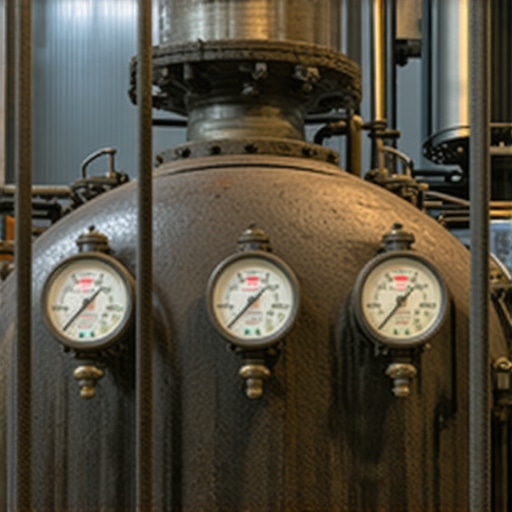
Low refrigerant is a common culprit for poor cooling performance. I learned this the hard way when my system started freezing up unexpectedly. To check refrigerant levels, you’ll need a pressure gauge—professionals recommend this step, but if you’re confident, you can do a preliminary check. Ensure your system is off, locate the service ports, and connect the gauge. If pressure readings fall below the optimal range listed in your system’s specs, it’s time to consult a professional—don’t try to recharge refrigerant yourself, as handling refrigerants requires specialized skills and equipment. For expert help, visit Chilly Pro HVAC.
Cleaning the Coils Thoroughly
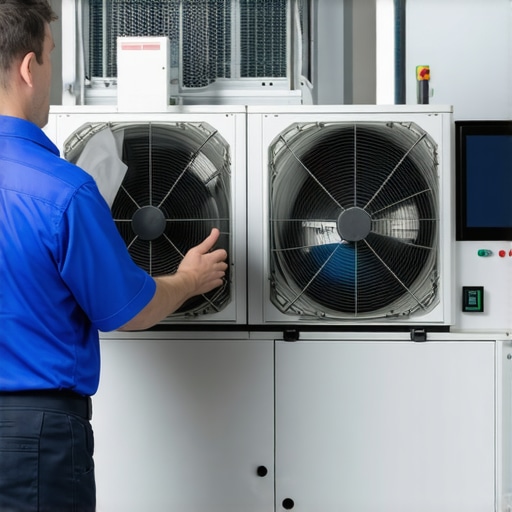
Dirty coils reduce heat exchange efficiency, making your system work harder. I faced this after noticing a spike in energy bills. To clean the coils, turn off the system, locate the evaporator and condenser coils, and gently remove debris with a soft brush or vacuum. For stubborn dirt, use a coil cleaning solution sprayed from top to bottom, letting it sit for 10 minutes before rinsing. Regular coil cleaning resembles cleaning your filters—an often overlooked but vital step to keep things running efficiently and prevent costly breakdowns. Be cautious not to bend fins; purchase a fin comb if necessary.
Checking and Tightening Electrical Connections
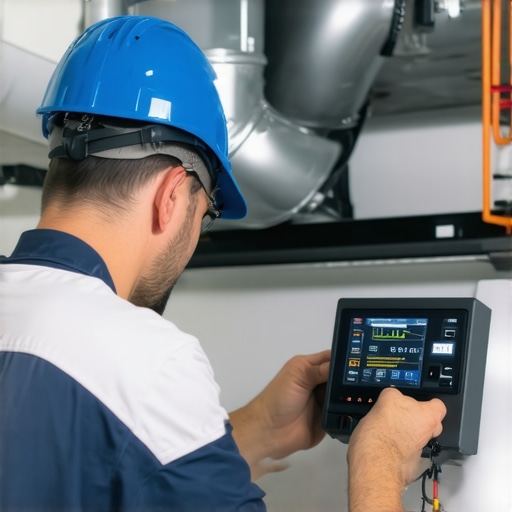
Loose or corroded connections can cause system outages or short circuits. I once had my system intermittently fail, and after inspecting the circuit board, I tightened loose terminals. Turn off power at the breaker, carefully inspect wires and terminals for corrosion or looseness, and tighten any loose screws. Replace damaged wiring or components if needed. This step is akin to tightening bolts on a bicycle—simple but crucial for safety and performance. If you’re uncomfortable working with electrical parts, it’s safer to call a trusted technician through Chilly Pro HVAC.
Testing Airflow and Vent Placement
Proper airflow distribution prevents hotspots and cold spots. I once had to reposition vents after noticing uneven temperatures. Use your hand to feel the airflow from vents; if weak, check for obstructions or closed dampers. Ensure vents are open and unobstructed by furniture or curtains. Adjust vent louvers to optimize airflow toward living spaces, similar to directing a garden hose for even watering. Maintaining balanced airflow enhances comfort and reduces strain on the system.
Scheduling Professional Maintenance Checks
While DIY steps can handle many issues, annual professional inspections catch problems early. During my first professional tune-up, technicians checked refrigerant, cleaned coils, and tested system controls. They also identified minor issues before they escalated. Scheduling a service through Chilly Pro HVAC ensures your system operates at peak efficiency, saving you money in the long run. Regular maintenance extends equipment lifespan and improves indoor air quality, turning a basic repair into a long-term investment in home comfort.Many homeowners believe that a heat pump or mini-split system is a set-it-and-forget-it appliance, but this misconception can lead to costly mistakes. In reality, understanding the nuanced functioning and maintenance requirements of these systems can significantly extend their lifespan and efficiency. One common myth is that refrigerant levels are self-regulating; however, small leaks can silently undermine cooling and heating performance, leading to increased energy bills and potential system failures. Regularly checking refrigerant levels and seals, ideally with professional help, prevents issues from escalating. Additionally, many assume that dirty components are solely a visual problem—while cleanliness is vital, neglecting voltage and electrical connections can cause intermittent failures that mimic more serious hardware issues. Overlooking electrical checks is a trap that leads to unpredictable outages. Advanced technicians know that the sequence of operations in modern HVAC units involves complex control boards, sensors, and relays that can malfunction asynchronously, causing symptoms that mislead untrained eyes. This is why routine professional inspections are indispensable. For home and system longevity, don’t fall into the trap of simplistic maintenance narratives. Instead, learn to recognize the hidden nuances that differentiate a minor glitch from a major repair.
What are common advanced mistakes homeowners make when troubleshooting heat pump issues?
Many individuals attempt quick fixes such as adding refrigerant or resetting systems without understanding the interconnected controls — this can cause further damage or void warranties. Manufacturers and experts emphasize that only certified professionals should handle refrigerant recovery and recharge, as improper procedures can be dangerous and are regulated by environmental laws. To dive deeper into expert-recommended maintenance strategies, visit this comprehensive guide. Recognizing these subtleties can save you from expensive repairs and prolonged discomfort. Remember, a proactive approach with regular professional check-ups, especially before peak seasons, ensures your system performs optimally and reliably. Don’t wait for breakdowns to act—by understanding these hidden nuances, you empower yourself to make informed decisions. Have you ever fallen into this trap? Let me know in the comments.
Building a Toolbox for Long-Term Comfort
If you’re serious about keeping your heat pump and mini-split systems running smoothly over the years, investing in the right tools is essential. I personally swear by a digital refrigerant pressure gauge, like the Yellow Jacket 49968. It’s accurate, easy to read, and durable, making it perfect for quick pre-emptive troubleshooting. Over time, I’ve learned that a reliable multimeter—specifically, a Fluke 115—is invaluable for testing electrical connections and sensors without risking damaged equipment. Having these in my toolkit allows me to avoid unnecessary call-outs and catch issues early, saving money and energy.
For coil cleaning, I use a foam-based coil cleaner like Nu-Calgon Evap-Fresh. It’s non-corrosive and effectively breaks down grime, which is crucial since dirty coils decrease efficiency and increase wear. After spraying, I rinse with a garden hose fitted with a spray nozzle—no high-pressure, just enough to clear debris without damaging fins. Regular coil cleaning, combined with filter changes, keeps the heat exchange process efficient, directly impacting system longevity.
Software to Track and Schedule Maintenance
Staying on top of routine maintenance can be challenging, but tools like home maintenance apps are game-changers. I depend on a platform like HouseHappy to set reminders and log repairs, which I’ve found invaluable for long-term management. This ensures I don’t forget check-ups or seasonal tune-ups, and it creates a maintenance history that technicians can reference. As systems become more integrated, these digital tools help visualize trends—like slight performance drops—that could indicate underlying problems.
Predicting Future Trends in HVAC Maintenance
Looking ahead, the integration of IoT sensors into HVAC units promises not only remote diagnostics but proactive maintenance alerts—think of it as having a personal technician tell you, “Time for a check-up.” Companies are also developing AI-driven maintenance platforms that analyze system data to predict failures before symptoms occur. This shift will make DIY repairs more feasible and efficient, reducing downtime and extending system life. I anticipate that in 2024 and beyond, these smart systems will become standard, transforming HVAC maintenance from reactive to proactive. If you haven’t already, consider upgrading your unit with smart sensors or consulting a professional about systems that integrate IoT features, which you can explore in the comprehensive heat pump guide.
How Do I Keep My HVAC Systems Working Without Surprises
One effective strategy is to establish a regular maintenance routine, including checking filters, coils, electrical connections, and refrigerant levels. I recommend scheduling a professional inspection at least once a year—especially before peak seasons—where technicians can perform detailed diagnostics and catch tiny issues before they escalate. For the proactive homeowner, leveraging diagnostic tools like Fluke multimeters and pressure gauges enables quick fixes, minimizing downtime. Also, maintaining cleanliness with coil cleaners and ensuring vents are unobstructed improves airflow and system efficiency. The combination of these practices, supported by digital reminders and tracking, creates a reliable framework that keeps your heating and cooling systems humming reliably through 2024 and into the future. To dive deeper into advanced maintenance techniques, check out this expert guide and try implementing one of the recommended tools mentioned here today—it could make all the difference in your system’s longevity.
What I Wish Someone Told Me About HVAC Repairs That Saved Me Big
- The biggest lesson was realizing that small, overlooked details—like a seemingly insignificant squeak or an unusually warm vent—can indicate deeper issues needing prompt attention.
- I learned that trusting the wrong advice, such as attempting to recharge refrigerant yourself, can cause more harm than good—always consult a professional for complex tasks.
- Sometimes, the most effective fixes involve simple actions—like cleaning filters or inspecting vents—that can dramatically improve efficiency without costly repairs.
- Understanding that technology in HVAC systems is advancing rapidly made me realize the importance of educating myself on new features, like IoT sensors, to stay ahead in maintenance.
Tools, Resources, and Guides That Really Made a Difference
- Yellow Jacket 49968 Digital Refrigerant Pressure Gauge: Reliable and accurate, this tool helped me catch refrigerant issues early, saving money.
- Fluke 115 Multimeter: Essential for electrical troubleshooting, it ensured safe and precise testing of connections.
- Nu-Calgon Evap-Fresh Coil Cleaner: Using this non-corrosive cleaner made cleaning coils straightforward and effective, improving system performance.
- The comprehensive heat pump maintenance guide gave me insights into proactive care strategies that extend the lifespan of my system.
Your Next Step Toward Peace of Mind with HVAC
“Taking control of your heating and cooling system can seem daunting, but with the right knowledge and tools, you become unstoppable. Staying proactive—not reactive—ensures comfort and saves you money in the long run. Ready to stop guessing and start truly understanding your system? Dive deeper into expert tips and detailed strategies by visiting this trusted resource. Remember, the efforts you put in now will pay off through reliable warmth and coolness for years to come. Don’t wait for a breakdown—empower yourself today!”