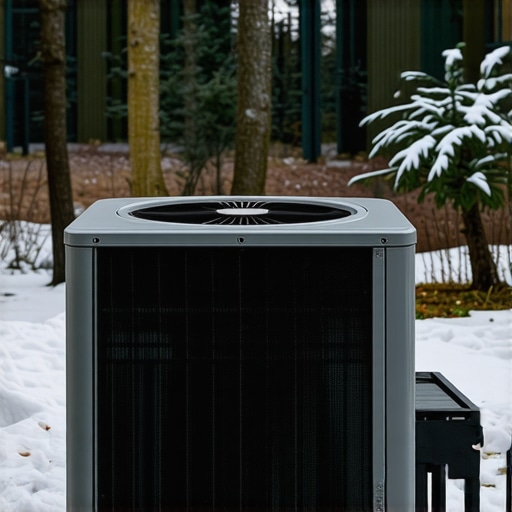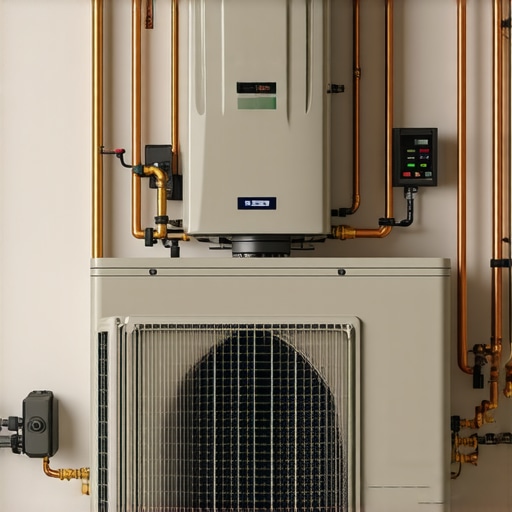
I remember the moment clearly—my heat pump stopped working in the dead of winter, and I was left shivering in my own home. It was a cold, rainy night, and I felt completely helpless. Frustration quickly turned into realization: I needed a trusted professional, not just a quick fix from some random handyman. That experience taught me a vital lesson—when it comes to heating and cooling, trusting the right experts can make all the difference.
The Real Cost of Ignoring Professional HVAC Repairs
Many homeowners underestimate how critical it is to rely on licensed HVAC specialists for heat pump and mini-split repairs. A small issue left unchecked can quickly turn into a costly disaster—higher energy bills, inefficient heating, or worse, complete system failure. According to Energy Star, improper repairs can reduce system efficiency by up to 30%, costing homeowners hundreds more annually. That’s why choosing trusted professionals isn’t just about convenience; it’s about protecting your home’s comfort and your wallet.
Have You Faced This Problem Before?
If you’ve ever dealt with a malfunctioning heat pump or mini-split system, you know how disruptive it can be. The good news? There are proven ways to get your system back in shape — but only if you call on experts who understand the intricacies of HVAC repair. I learned this the hard way when I attempted a DIY fix early on and ended up making the problem worse. Don’t make that same mistake. Instead, check out how trusted professionals can deliver lasting results.
Why Cutting Corners Can Cost You More Than You Think
One common mistake I made early in my DIY adventures was rushing into repairs without proper knowledge. I thought I could save a few bucks, but in reality, I just prolonged the system’s malfunction. That’s a mistake many homeowners make—thinking a quick fix will suffice. But reliable repairs, especially for heat pumps and mini-splits, require a trained eye and specialized tools. For a detailed look at common repair pitfalls and how to avoid them, visit our HVAC repair secrets page.
So, if you’re tired of dealing with inconsistent heating or skyrocketing energy bills, it’s time to consider trusted professionals. They don’t just fix the problem—they ensure your system runs efficiently for years to come. Ready to learn more about how to get your heat pump or mini-split system repaired the right way? Let’s dive into the practical steps that can save you money and stress.
},
Choose the Right Expert for Your System
Start by researching local HVAC companies with a proven track record. Check reviews, ask for references, and verify licenses. For example, I once called a company based solely on a flashy website and ended up with a costly misdiagnosis. Instead, I learned to trust those with certifications and positive customer feedback, which guaranteed quality work and peace of mind.
Prepare Your System and Gather Information
Before calling a professional, note down what’s wrong—strange noises, inconsistent heating, or leaks. Take photos if possible. This helps technicians diagnose more accurately and saves time. I once attempted to document my mini-split’s odd behavior, which prevented unnecessary visits and expedited repairs.
Schedule a Professional Inspection
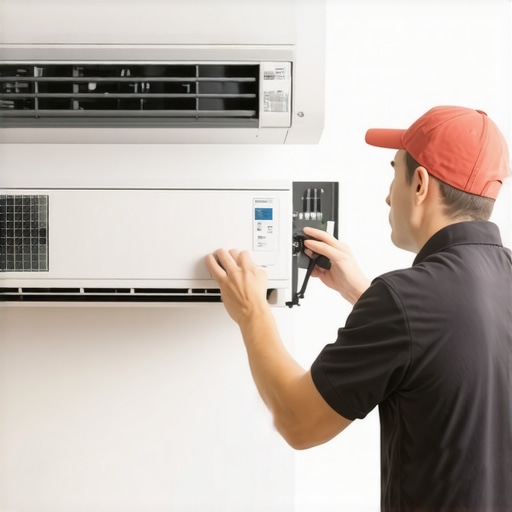
Contact a trusted technician via contact form. Be clear about symptoms, system age, and recent maintenance. A good technician will perform a thorough checkup, including inspecting refrigerant levels, electrical components, and filters. I remember witnessing a technician quickly identify a faulty capacitor that I had overlooked, saving my system from imminent failure.
Understand the Repair Process
Ask the technician to explain what repairs are needed and why. Don’t hesitate to request a detailed estimate. A professional will use specialized tools and techniques, such as refrigerant recovery or electrical testing, to ensure a lasting fix. I learned that trusting their expertise meant fewer callbacks and more reliable system performance.
Follow Expert Recommendations for Maintenance
After repairs, adhere to maintenance tips provided, like regular filter changes and system inspections. This prolongs system life and maintains efficiency. For comprehensive guidance, visit our maintenance guide. My own experience with scheduled tune-ups has kept my heat pump running smoothly through harsh winters.
Know When to Call for Emergency Repairs
If system failure occurs unexpectedly, don’t delay. Immediate professional intervention can prevent further damage. Recognize signs like freezing coils, complete shutdown, or strange odors. I once called a technician at midnight after my heat pump suddenly stopped, and quick repair prevented a freezing disaster.
Maintain Open Communication
Stay engaged with your technician. Ask questions, understand the scope, and confirm warranty details. Trust builds through transparency. When I followed up on repairs, the technician explained each step, which boosted my confidence in their service and helped me learn more about system care.
Remember, trusting our HVAC experts isn’t just about fixing a problem—it’s about ensuring your home stays comfortable and energy-efficient for years to come. Properly executed repairs can save you money and stress, making your investment worthwhile.
Many homeowners operate under misconceptions when it comes to heating and cooling systems, especially regarding repairs. One of the most pervasive myths is that DIY fixes can substitute for professional service. While it might seem cost-effective initially, in reality, improper repairs often lead to more expensive problems down the line. For example, attempting to repair a refrigerant leak without proper training can cause system damage or refrigerant contamination, which is costly to fix. Always remember that complex systems like heat pumps and mini-splits require specialized knowledge and tools. Rushing into repairs without understanding the nuances can inadvertently void warranties or cause further damage. For a more detailed understanding, check out our HVAC repair secrets page.
What advanced mistakes do homeowners often make during repairs?
One common mistake is neglecting to verify electrical safety before starting repairs. Many systems are powered by high-voltage electricity, and mishandling these components can be dangerous. Technicians always perform thorough safety checks, including testing electrical connections and ensuring the system is completely powered down. Another overlooked area is refrigerant handling; improper recovery or charging can reduce system efficiency and violate environmental regulations. According to industry experts, mishandling refrigerants is one of the leading causes of system failures and environmental harm. Therefore, entrusting repairs to licensed professionals is essential not only for safety but also for system longevity. Don’t forget, ongoing maintenance like filter changes and regular inspections can prevent many issues before they escalate. For comprehensive guidance, visit our heat pump maintenance guide.
Have you ever fallen into this trap? Let me know in the comments. Remember, trusting our HVAC experts isn’t just about fixing a problem—it’s about safeguarding your home’s comfort and your investment in the long run.
How do I maintain my HVAC systems over time?
Keeping your heat pumps, mini-splits, and furnaces in top shape requires the right tools and a bit of know-how. One personal favorite is a high-quality digital multimeter, like the Fluke 117. I use it to regularly check electrical connections and ensure that components like capacitors and relays are functioning properly. This simple step can prevent larger issues down the line and save you from costly repairs. Additionally, an infrared thermometer allows me to pinpoint temperature inconsistencies across vents or coils, helping identify inefficient areas early. For refrigerant-related issues, a manifold gauge set is indispensable. It helps monitor pressure levels, ensuring your refrigerant charge is optimal, which is crucial for efficiency and longevity. Regularly cleaning filters and coils with a soft brush or vacuum enhances airflow and system performance. I also rely on software like ServiceTitan for scheduling maintenance and tracking repairs, which keeps everything organized and ensures no step is missed. As technology advances, predictive maintenance tools like IoT sensors are becoming more accessible, allowing systems to notify homeowners of potential failures before they happen. In the future, I believe smart diagnostics and AI-driven alerts will become standard, making HVAC maintenance more proactive than ever. To get started, try integrating a multimeter into your routine inspections—it’s a game changer for early detection of electrical issues.

The Hardest Lesson I Learned About HVAC Repairs
One of my most profound realizations came from a simple mistake: rushing into repairs without enough knowledge. I thought I could handle a refrigerant leak myself, but it only worsened the problem and cost me more in the long run. That moment taught me that some systems are best left to licensed professionals, especially when dealing with complex components like refrigerants or electrical wiring. It’s a lightbulb moment that shifted my entire approach to home HVAC maintenance.
3 Myths About Heat Pump Repairs That Held Me Back
I used to believe that DIY repairs could save me money, but I learned the hard way that professional expertise is invaluable. For example, I thought I could simply replace a faulty capacitor, but without proper testing tools, I couldn’t be sure if the repair was effective or safe. These misconceptions delayed my repairs and led to more significant issues. Trusting certified technicians ensures your system gets the right fix the first time, saving you stress and expense.
What Experts Won’t Tell You About Maintaining Your System
Many homeowners overlook the importance of regular, proactive maintenance. I used to ignore scheduled checkups until a system failure left me in the cold. Now, I understand that simple steps like changing filters regularly, inspecting electrical connections, and monitoring refrigerant levels can prevent costly breakdowns. Expert advice emphasizes that ongoing care isn’t just about fixing problems but about preventing them altogether. For comprehensive tips, visit our maintenance guide.
My Essential Toolkit for HVAC Repairs
Over time, I’ve found that certain tools make a huge difference in diagnosing and maintaining my HVAC system. A high-quality digital multimeter, like the Fluke 117, helps me safely check electrical components, preventing dangerous mishaps. An infrared thermometer pinpoints temperature issues, while a manifold gauge set ensures refrigerant levels are optimal. These tools have empowered me to spot problems early and communicate more effectively with professionals. If you’re serious about home HVAC care, investing in these can make a real difference.
Your Turn to Take Control of Your HVAC Comfort
Homeownership involves learning to trust the right experts and equipping yourself with knowledge. Don’t wait for a system failure to take action—regular maintenance and timely repairs keep your home comfortable and efficient. Remember, when it comes to heat pump repairs, trusting licensed professionals is the best way to ensure lasting results. Are you ready to start your journey toward better HVAC health? Share your experiences or questions below, and let’s learn together!