
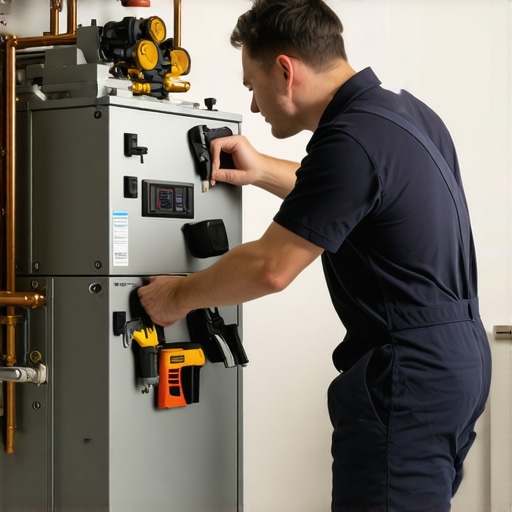
Ever had that sinking feeling when your furnace wheezes to a halt on the coldest night of the year? I did, and let me tell you—it’s a wake-up call that your heating system isn’t just an appliance, but a lifeline. I learned the hard way that rushing to fix it with the cheapest repair service can turn into a costly mistake. After a few cold nights and frustrating calls, I finally discovered the secret to lasting results: trusting reliable HVAC repair professionals. Today, I want to share how you can avoid the pitfalls I faced and ensure your home stays warm and cozy no matter what.
Why Cutting Corners on HVAC Repairs Will Cost You More
It’s tempting to choose the lowest price or try to fix things yourself—believe me, I’ve been there. But I quickly realized that quick fixes rarely stand the test of time. A shoddy repair can lead to repeated breakdowns, skyrocketing energy bills, and even safety hazards. That’s why I now swear by working with experts who deliver real results. Reliable service isn’t just about fixing the problem today; it’s about creating a solution that lasts. If you’re wondering whether it’s worth investing in trusted professionals, here’s a fact: according to trusted HVAC repair results, proper maintenance and expert repairs can improve system efficiency by up to 25%, saving you hundreds annually.
Is the Hype About Trusted HVAC Services Just Marketing?
That’s the big question, isn’t it? I was skeptical at first—after all, who needs a “trusted” service? But my mistake was underestimating the value of expertise. Early on, I hired a contractor based solely on a low price, only to have the same issues recur within months. It’s a common mistake, and one that I see many homeowners make. What truly makes a difference is choosing a company with proven results, transparent policies, and a track record of satisfied customers. To learn more about common HVAC repair myths and how to spot genuine quality, check out this helpful guide. Trust isn’t just a buzzword—it’s your best defense against shoddy work and future problems.
Now, with that in mind, let’s dive into the practical steps to ensure you get lasting, reliable results from your HVAC repairs. Because when it comes to your home’s comfort, settling for less simply isn’t an option.
Inspect Your System Regularly to Catch Problems Early
During my first winter with a new HVAC system, I noticed my heater wasn’t warming the house evenly. Instead of waiting for it to fail completely, I scheduled a quick inspection with trusted professionals from this trusted source. They identified a loose connection that, if left unaddressed, could have led to a complete breakdown. Regular checks like this are crucial because they act as early warning signs and prevent costly repairs down the line.
Understand Your System’s Needs and Limitations
Once, I tried to fix a refrigerant leak myself, thinking I could save money. It turned out I lacked the proper tools and knowledge, which caused the problem to worsen. Instead, I learned to consult reputable guides such as this comprehensive guide to understand my heat pump’s specific requirements. Knowing your system’s limitations helps you decide when to call a professional, ensuring repairs are done correctly and efficiently.
Choose Trusted Professionals for Repairs
After a failed DIY attempt, I finally hired a certified technician from this trusted service. They not only fixed the issue quickly but also provided a detailed report on potential future problems and maintenance tips. Working with experienced experts guarantees that repairs are durable, saving you money and hassle in the long run. When selecting a repair service, look for reviews, certifications, and transparent policies — much like I did, which made all the difference.
Prioritize Proper Maintenance to Extend Lifespan
One of the best decisions I made was setting up a regular maintenance schedule with my HVAC provider. This included filter changes, system cleaning, and safety checks, as recommended in this detailed maintenance guide. These routine tasks are the backbone of reliable performance, preventing small issues from escalating into costly repairs. Think of it as a health checkup for your system — proactive, essential, and worth every penny.
Document Repairs and Keep Records
Every time I had a repair done, I kept detailed records, including what was fixed, parts replaced, and the technician’s recommendations. This habit helped me track recurring issues and ensured I could provide accurate information during future service calls. It’s like maintaining a health journal; it saves time, reduces errors, and helps your technician deliver precise solutions. Trusting professionals who respect your records, like this trusted team, guarantees better results and peace of mind.
Stay Informed About Your System’s Performance
Finally, I make it a point to stay informed about my HVAC system’s performance by reading up on latest tips and results. This knowledge helps me recognize when something’s off, like unusual noises or increased energy bills, and act swiftly. When you understand your system, you’re empowered to make smarter decisions and ensure it delivers lasting comfort.
Many homeowners operate under assumptions about HVAC repair that can lead them astray. Let’s dig deeper into some of the most common misconceptions and reveal the hidden nuances that can save you time, money, and frustration. Recognizing these myths is essential for making informed decisions and avoiding costly mistakes.
Why Are DIY Repairs a Dangerous Trap?
It’s tempting to fix your HVAC system yourself to save a few bucks. However, this approach often overlooks the complexity of modern systems. For example, handling refrigerants without proper training can be dangerous and illegal, as highlighted by industry experts. Incorrect repairs can cause further damage, reduce efficiency, or even create safety hazards. Always trust certified professionals who follow safety protocols and have the right tools — they know how to get the job done right the first time. If you want to understand more about what can go wrong with DIY fixes, check out this guide.
Are Bigger Parts Always Better for Repairs?
Many assume that replacing large components is the best way to ensure longevity. But in reality, a targeted repair often yields better results. Over-replacing parts without diagnosing the root cause can lead to unnecessary expenses. Advanced diagnostics and expert inspection reveal the true issue, allowing for precise fixes. This approach not only saves money but also prolongs the lifespan of your system. Remember, bigger isn’t always better — accuracy and expertise matter more. Want to avoid unnecessary replacements? Consult trusted professionals who perform comprehensive diagnostics and repairs, like those detailed in this trusted source.
How Do You Spot a Real Expert from a Rookie?
In the age of online reviews and DIY videos, it’s easy to be misled. The key is to look beyond surface-level credentials. Genuine experts have a track record of satisfied customers, transparent policies, and ongoing training. They also follow industry standards and use high-quality parts. A quick check of reviews or certifications can make a significant difference. Beware of contractors who offer rock-bottom prices without a proven reputation — it’s often a red flag. Want to ensure you hire the right professional? Read this guide for tips on vetting HVAC repair services.
Have you ever fallen into this trap? Let me know in the comments. Recognizing these hidden nuances can drastically improve your HVAC maintenance and repair experiences, ensuring your home stays comfortable year-round.
How do I maintain my HVAC system over time
Keeping your HVAC system running smoothly requires more than just occasional repairs. It involves a combination of the right tools, regular maintenance routines, and understanding the evolving technology. Personally, I rely on a few key pieces of equipment and software that have made a significant difference in my ability to keep everything in top shape. One tool I swear by is a high-quality digital multimeter. I use it to quickly check electrical connections and identify potential issues early, saving me from costly breakdowns. For instance, verifying voltage levels before replacing a component can prevent damage and ensure safety.
Another indispensable tool is a refrigerant leak detector. When I suspect a leak, this device helps me pinpoint the exact location without unnecessary disassembly. I prefer models with digital displays and easy-to-read indicators, which have saved me time and frustration during troubleshooting. Additionally, I leverage maintenance management software that tracks service dates, filter replacements, and system diagnostics. This helps me stay organized and ensures I never miss routine tasks. With the trend moving towards smart home integration, I’ve also incorporated HVAC monitoring apps that alert me to abnormal system behavior in real-time, which is invaluable for proactive care.
Looking ahead, I predict that the future of HVAC maintenance will lean heavily on IoT-enabled devices and AI-driven diagnostics. These advancements will enable even homeowners to perform basic troubleshooting and schedule professional repairs automatically, reducing downtime and extending system lifespan.
Make Yourself Visible: The Importance of Regular Checks
Regular inspections are the backbone of a reliable HVAC system. I recommend scheduling professional inspections at least twice a year—preferably before peak seasons. During these visits, technicians will use specialized tools, like the ones I mentioned, to ensure everything is functioning correctly. Don’t forget to clean or replace filters regularly—this simple task can improve efficiency by up to 15%. For detailed guidance on routine maintenance, I suggest consulting this comprehensive guide. Consistent care not only prevents sudden failures but also prolongs your system’s lifespan, making it a worthwhile investment.
If you want to ensure your HVAC keeps working year-round, try integrating smart diagnostics into your routine. These tools can detect issues before they become major problems, saving you money and stress. Remember, the key is consistent monitoring and timely intervention. Ready to upgrade your maintenance routine? Start by investing in a reliable digital multimeter and set a calendar reminder for biannual professional checkups. Your system—and your wallet—will thank you!
The Hardest Lesson I Learned About HVAC Repairs
One of my biggest mistakes was trying to save money by skipping routine maintenance. I underestimated how crucial regular checkups are and paid the price with a costly breakdown during a cold snap. Now, I know that investing in scheduled inspections can prevent emergency repairs and extend the lifespan of my system.
3 Myths About HVAC Repairs That Held Me Back
I used to believe that bigger parts automatically mean better durability. Turns out, a targeted, precise repair by trusted professionals is often more effective and budget-friendly. Busting this myth helped me avoid unnecessary replacements and focus on fixing the root cause of issues.
What Experts Won’t Tell You About Choosing HVAC Professionals
Many contractors offer low prices but cut corners. I learned to look for certifications, transparent policies, and strong reviews, which ensure quality work. Working with a trusted team like this trusted source truly made a difference in my HVAC experience.
My Essential Toolkit for HVAC Maintenance
I rely on a high-quality digital multimeter and refrigerant leak detector to troubleshoot issues early. These tools help me perform basic checks safely and accurately, saving time and money. Additionally, I use maintenance management software to track service schedules and system health, ensuring proactive care.
Where to Go from Here
If you want your HVAC system to last, start with regular professional inspections, invest in proper tools, and stay informed about your system’s performance. Smart home diagnostics and IoT devices are the future, making proactive maintenance easier than ever. Remember, consistent care and trusting experts are the keys to home comfort that withstands time. Are you ready to take control of your HVAC maintenance journey? Share your experiences below!


This article really hits home for me, especially the part about regular inspections and proper maintenance. I’ve learned over the years that staying ahead of issues often saves a lot of money and stress down the line. I appreciate the emphasis on using quality tools like a refrigerant leak detector and digital multimeter—these are game changers for DIY troubleshooting. One thing I’ve found helpful is keeping a detailed maintenance log; it really helps in tracking recurring problems and planning future service schedules. For those hesitant to call in professionals for every little issue, what are some good signs to watch for that indicate it’s time to bring in an expert? I’d love to hear how others have learned to balance DIY fixes with professional help to keep their HVAC systems running smoothly and efficiently.