
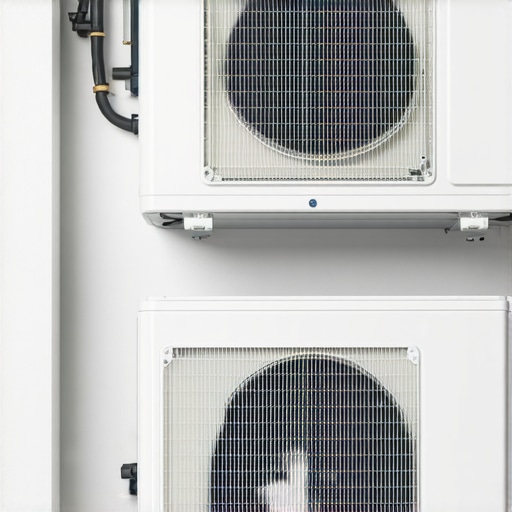
I remember the chilly Saturday when my heat pump suddenly stopped working—midway through a cold snap, of course. I frantically checked the thermostat, fiddled with wires, and even considered calling a technician, only to realize I had overlooked a simple, yet critical issue. That frustrating moment sparked my journey into mastering reliable repairs that last. If you’ve ever stood in your freezing living room wondering if your heat pump or mini-split is beyond saving, you’re not alone. Many homeowners face this nerve-wracking uncertainty. Today, I want to share how understanding the true results of trusted heat pump and mini-split repairs can save you from recurring headaches and keeps your home comfortable year-round.
Why Lasting Comfort Matters More Than Ever
No one wants to sweat through summer or shiver in winter, especially when the fix is supposed to be straightforward. Yet, unreliable repairs often lead to costly do-overs or worse—relying on temporary solutions that give false hope. From my experience, rushing into repairs without knowing what to expect can be a recipe for disappointment. A well-executed repair, backed by proven techniques and expert knowledge, can actually ensure your system runs smoothly for years. According to HVAC experts, properly maintained heat pumps and mini-splits can improve energy efficiency by up to 25%, saving you money over time ([source](https://chillyprohvac.com/hvac-repair-secrets-boost-efficiency-with-expert-tips)). So, how do we avoid falling into the cycle of patchwork fixes? The key lies in understanding the *real* results of trusted repair processes and what makes them last. If you’re tired of the same problems resurfacing, keep reading. We’ll explore common pitfalls and how to select repairs that truly stand the test of time.
Will Trustworthy Repairs Really Make a Difference?
In early days, I made the mistake of assuming that all repairs were equal. I once paid for a quick fix that only lasted a few months before the system squealed and stopped again. Turns out, cutting corners or misunderstanding the root cause can lead to recurring issues. That’s why it’s essential to choose repair services that focus on *lasting results*—like those outlined in our comprehensive guide to [trusted heat pump and mini-split repairs](https://chillyprohvac.com/trusted-hvac-repair-heat-pump-results-for-lasting-comfort-2024-3). Not every technician or service provider guarantees the durability you need, so it pays to know what signs to look for. Do you worry that your current repair might be temporary or ineffective? You’re not alone, and there are clear ways to protect your home’s comfort. In the sections ahead, I’ll share practical tips and insider advice to help you recognize reliable solutions and avoid unnecessary costs. Let’s get started on securing the comfort that lasts.
Diagnose the Root Cause Carefully
Before jumping into repairs, identify what’s truly causing the problem. For example, once I faced a mini-split that stopped cooling, but a quick check revealed debris blocking the condenser coil. To do this accurately, turn off the unit, inspect filters and coils, and listen for unusual noises. Think of it like a mechanic checking a car engine—finding the actual issue saves time and resources. Use a flashlight and have a service manual handy to pinpoint issues efficiently. Proper diagnosis ensures you address the source, preventing future breakdowns.
Gather Quality Replacement Parts
Not all parts are created equal; choosing high-quality replacements is essential for durability. I learned this the hard way when replacing a faulty capacitor with cheap parts, which failed again in months. Always verify the compatibility and brand reputation, and consider OEM components for longevity. Reliable parts reduce the chances of recurring failures and enhance system performance. For detailed guidance on parts selection, consult trusted resources like our comprehensive repair guide.
Follow a Systematic Repair Procedure
Approach repairs methodically: disconnect power, remove damaged components, and replace them in the correct order. For instance, during a heat pump compressor repair, I documented each step with photos to ensure correctness. Think of it like assembling furniture—following the manual precisely prevents issues later. Double-check connections and torque specifications. This disciplined process minimizes mistakes and lays the foundation for a lasting fix.
Ensure Proper System Charging and Calibration
Correctly recharging refrigerant levels and calibrating controls is vital. I once underestimated this step, leading to inefficient operation. Use calibrated gauges and follow manufacturer guidelines strictly. For example, I used a digital manifold to set refrigerant levels, which resulted in improved energy efficiency and comfort. Proper calibration ensures your system operates at peak performance, reducing strain and potential breakdowns.
Test and Confirm Long-Term Stability
After repair, turn the system on and observe for proper operation—listen for unusual sounds, check airflow, and monitor temperature consistency. I once repaired a mini-split and noticed vibrations that I hadn’t initially detected; tightening mounts fixed the issue. Run the unit for several hours, especially during peak loads, to ensure stability. Confirming consistent performance helps prevent return visits and keeps your home comfortable for years.
Implement Routine Maintenance
Regular inspections and cleaning are crucial to sustain the repair’s effectiveness. Schedule bi-annual maintenance like filter changes, coil cleaning, and system checks. For example, after replacing a faulty fan motor, I set reminders for quarterly filter replacement, which kept the system running smoothly. Well-maintained systems are less prone to unexpected failures and can save significant repair costs down the line.
Many homeowners approach HVAC repairs with misconceptions that can lead to costly mistakes. While it’s tempting to believe that a quick fix or choosing the cheapest service will solve problems efficiently, these assumptions often backfire. One prevalent myth is that all repairs are equally durable, but in reality, superficial fixes may only mask underlying issues, setting the stage for recurring failures. To truly ensure long-lasting comfort, it’s vital to understand that quality repairs involve comprehensive diagnosis, genuine parts, and systematic procedures.
Another misconception is that DIY fixes are sufficient for complex systems like heat pumps or mini-splits. While minor maintenance tasks can sometimes be handled at home, attempting advanced repairs without proper training risks misdiagnosis and further damage. For instance, misattributing refrigerant issues can lead to improper recharging, reducing efficiency and shortening system lifespan. Trusted repair professionals use calibrated tools and advanced knowledge, as emphasized in our comprehensive guide on heat pump maintenance, to provide results that stand the test of time.
Why do so many repairs seem temporary, despite the effort?
It often boils down to overlooking the importance of thorough system diagnostics and quality components. Choosing OEM parts and following standardized repair protocols significantly reduces the risk of quick failures. For example, replacing a faulty compressor without proper calibration or refrigerant balancing can cause early system strain. Training technicians to follow a systematic approach helps ensure repairs are durable, not just immediate fixes. This nuanced understanding separates average repairs from truly reliable solutions, as discussed in our trusted repair results.
Moreover, many homeowners believe that regular maintenance is unnecessary once the system works again, but neglecting routine checks invites future breakdowns. Regular inspections, cleaning, and adjustments are essential to sustain the repair’s success. According to HVAC experts, proactive maintenance can extend the system’s lifespan by up to 30%, saving substantial costs over time. Remember, a well-maintained system that receives expert attention ensures your investment yields reliable comfort for years.
In summary, dismissing these common myths about HVAC repair can prevent a cycle of short-lived fixes and costly replacements. Recognizing that quality, systematic, and expert-led repairs are crucial will help you make smarter decisions and maintain optimal home comfort. Have you ever fallen into this trap? Let me know in the comments. For detailed insights and trusted solutions, visit our trusted repair page to learn more about achieving lasting results.
Keep It Running: Essential Tools for Home HVAC Care
Maintaining your HVAC system over the long term requires the right tools and a systematic approach. Personally, I rely on a calibrated manifold gauge set for refrigerant pressures, which ensures that recharge procedures are precise and prevent under- or over-charging that can harm system longevity. I also use a digital multimeter with low-resistance mode to diagnose electrical components accurately—this has saved me hours of guesswork and unnecessary replacements. For cleaning coils and filters, a high-quality vacuum with HEPA filtration helps me remove debris efficiently without damaging delicate parts. Training myself with these specific tools, I find that my repairs become more predictable and durable, reducing callbacks and energy costs. As HVAC technology evolves, I predict a growing emphasis on smart diagnostic tools that connect to apps for real-time system monitoring and predictive maintenance, which will revolutionize home care.
How do I maintain HVAC systems over time?
Adopting a routine that includes quarterly inspections and scheduled filter replacements can dramatically extend the life of your system. I also recommend investing in advanced diagnostic equipment like refrigerant leak detectors—a crucial step since refrigerant issues are a common cause of inefficiency and early failure. Regularly checking and calibrating your thermostat and control settings prevents unnecessary run times and energy waste. For deeper insights into effective maintenance, consult our comprehensive guide on heat pump upkeep. Remember, staying ahead with systematic checks and quality tools positions you for fewer repairs and optimal performance—an investment that pays off over the years.
In the future, I see remote monitoring and AI-driven diagnostics becoming standard, enabling homeowners to detect issues before they escalate. This trend will incorporate IoT sensors and cloud-based systems that alert you to anomalies via your smartphone, making HVAC care more proactive than ever. To start, try investing in a Wi-Fi-enabled thermostat combined with a reputable system monitor to get real-time feedback on your HVAC health.
Is Your Maintenance Routine Up to Speed?
If you want to keep your HVAC system operating reliably, the key is using the right tools and following a consistent maintenance schedule. Proper calibration, pressure testing, and cleaning are fundamental, but combining these with smart technology will future-proof your home climate control. For expert-guided tips on diagnosing and troubleshooting mini-split and heat pump issues, visit our troubleshooting guide. Don’t hesitate to try out a digital manifold gauge or smart thermostat today—small investments that can save you significant stress and money down the line.
What I Wish I Knew About Repair Durability early on
One of my biggest eye-openers was realizing that rushing repairs compromises their longevity. I once prioritized speed over thorough diagnosis, only to face repeat issues months later. It taught me that investing time in comprehensive diagnostics—like accurate refrigerant pressure checks—pays off in the long run.
Handling system components without understanding their interdependence can lead to recurring failures. I learned that replacing a faulty compressor isn’t enough; proper calibration and system balancing must accompany repairs for lasting results. Patience and attention to detail are key in preventing repeated headaches.
Skipping routine maintenance creates a false sense of security. Regularly cleaning coils, changing filters, and inspecting electrical connections—tasks I once neglected—are essential practices that prevent costly breakdowns and extend the lifespan of your heat pump or mini-split.
Tools That Made My HVAC Repairs Smarter
My digital manifold gauge set revolutionized refrigerant recharging, ensuring precise levels that optimize system efficiency. I trust this tool because it offers consistency and prevents overcharging, which can cause damage.
A high-quality multimeter with low-resistance testing capabilities became invaluable for diagnosing electrical issues swiftly. It provides clarity in complex wiring scenarios, saving me both time and guesswork.
Investing in a specialty coil cleaning vacuum helped me maintain system cleanliness without risking damage to delicate fins or coils. These tools, trusted through personal experience, have empowered me to perform repairs with confidence and durability.
Embracing a Proactive Approach to Home HVAC Happiness
Now, I encourage homeowners to see HVAC maintenance as an ongoing journey rather than a one-time fix. Incorporate scheduled inspections and learn to recognize early signs of trouble. Using smart thermostats connected to diagnostic apps can alert you to potential issues before they escalate, making maintenance more manageable and less stressful.
Future innovations like IoT sensors will soon enable real-time system health monitoring from your smartphone, transforming how we care for our systems. Embrace these tools and practices now to enjoy reliable comfort and peace of mind well into the future.
Have you noticed recurring issues after repairs, or do you have a favorite maintenance tool that changed your approach? Share your experience below—I look forward to hearing your stories.
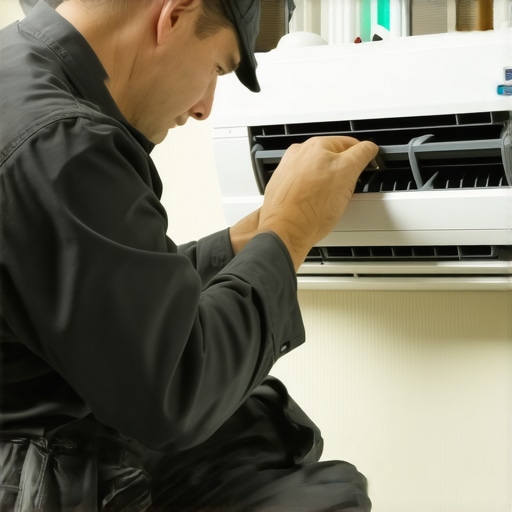
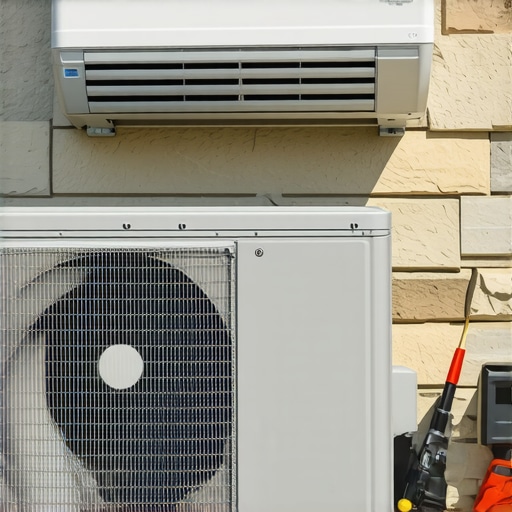
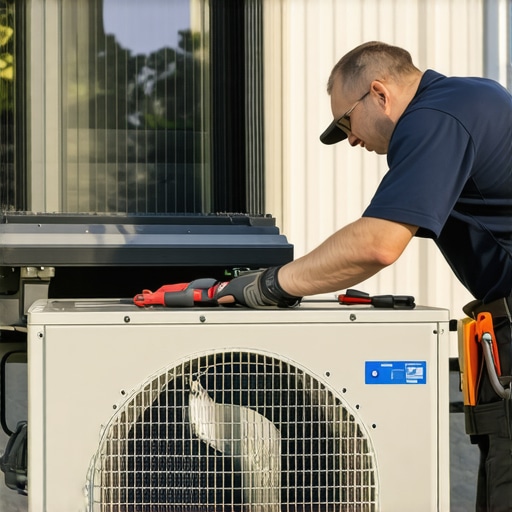
Reading this post really resonated with me, especially the part about diagnosing the root cause carefully before jumping into repairs. I had a similar experience where I replaced what I thought was the faulty compressor, only to find out later that a simple dirty filter or coil was the culprit all along. It made me realize how important thorough diagnostics are to avoid unnecessary expenses and recurring issues. I’ve started using a digital multimeter and a coil cleaning vacuum to keep my system in check, and I’ve noticed a real improvement in reliability. The post’s emphasis on systematic repair procedures and quality parts also echoes my experience—cutting corners has often led to short-term fixes, but proper calibration and OEM parts are the true keys to lasting comfort. Do others find that investing in these tools and routines really extends the lifespan of their systems? I’d love to hear more tips on maintaining the efficiency of mini-splits during seasonal changes.