
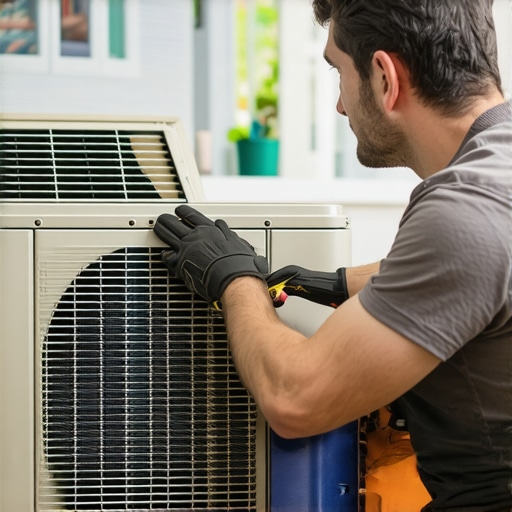
I vividly remember the cold snap last winter when my heat pump decided to give out just as temperatures plummeted. The sudden lack of warmth hit me hard—literally. I was left scrambling, unsure whether I should attempt a quick fix or call in a professional. That moment was a lightbulb for me: reliable home comfort in 2024 hinges on understanding trusted repair solutions, not just waiting around for things to break.
Why Reliable Heat Pump & Mini-Split Repairs Matter Now More Than Ever
As we step into 2024, the importance of trustworthy HVAC repairs is clearer than ever. With energy prices fluctuating and climate unpredictability on the rise, having a home cooling and heating system you can count on is not just a luxury—it’s a necessity. A well-maintained heat pump or mini-split ensures consistent comfort and can even reduce energy bills, which is crucial when every dollar counts. But here’s the kicker: many homeowners still fall into common traps that cost them more in the long run.
Early mistakes, like ignoring regular maintenance or attempting DIY repairs without proper knowledge, often lead to bigger issues down the line. I learned the hard way that rushing into repairs without vetting the right professionals can turn a minor problem into an expensive nightmare. According to HVAC experts, neglecting routine checkups can decrease system efficiency by up to 25%, wasting energy and raising costs (source).
So, what’s the solution? Today, I’ll guide you through the best trusted repair strategies for 2024—helping you avoid costly mistakes and ensuring your system runs smoothly all year round. Whether you’re facing a minor glitch or a major breakdown, these insights will help you make informed decisions, saving you money and frustration in the process.
Have you ever experienced a sudden HVAC failure that left you cold or sweltering? If so, you’re not alone. Many homeowners face this dilemma, but with the right knowledge and trusted professionals, relief is just a call away. Let’s dive into how you can keep your home comfortable with proven repair solutions that last.
Start with a Clear Inspection
When my heat pump suddenly stopped working last winter, I didn’t panic. Instead, I carefully examined the system—checking for obvious issues like clogged filters, strange noises, or icy coils. Think of this step as your home’s health checkup; it helps you identify simple problems before they escalate. Regular inspections, especially before extreme seasons, can prevent costly breakdowns. For detailed guidance, visit this comprehensive maintenance guide and learn how professional inspections can save you money.
Learn to Troubleshoot Smartly
Know the Common Signs of Trouble
Next, I learned to recognize warning signs like uneven heating, strange smells, or short cycling. These clues indicate underlying problems that need expert attention. Instead of guessing, I used troubleshooting tips from trusted sources—like checking if the thermostat is set correctly or if airflow is restricted. When simple fixes don’t work, it’s time to call a professional. For troubleshooting tips, see this troubleshooting resource.
Avoid DIY Pitfalls
While DIY repairs can be tempting, I quickly realized that many mistakes—like attempting to refill refrigerant or bypass safety controls—can damage the system further. Instead, I focused on learning which repairs I could safely handle and which require pros. A good rule: if it involves refrigerant or electrical components, let experts handle it. For myths about DIY repairs, check this myth-busting article.
Choose the Right Professionals
Finding a trusted HVAC technician was a game-changer. I asked for recommendations, checked reviews, and verified licenses. Think of this as hiring a specialist for a complex surgery—quality matters. I also asked about warranties and guarantees, ensuring I had support if issues reoccur. For tips on selecting experts, visit this guide on reliable repairs.
Request a Detailed Repair Plan
Once I booked a professional, I insisted on a clear, written plan outlining the repairs needed and their costs. This transparency prevented surprises. A trustworthy technician should diagnose the root cause, not just fix symptoms. They should also recommend maintenance routines to extend system life. For detailed repair strategies, see this repair success story.
Follow Up with Proper Maintenance
After repairs, I scheduled regular maintenance—filter changes, coil cleaning, and system tune-ups. Think of this as routine checkups for your vehicle; it keeps your system running efficiently. A well-maintained system reduces energy bills and minimizes breakdown chances. For maintenance tips, explore this ultimate guide. Regular professional inspections are crucial, especially before peak seasons.
While many homeowners focus on the basics of HVAC maintenance, there’s a hidden world of nuances and myths that can trip even the most diligent. Let’s dig deeper into what most people get wrong about trusted heat pump and mini-split repairs and how these misconceptions might be costing you time and money.
Myth: All HVAC Repairs Are Straightforward and DIY-Friendly
One of the biggest traps is believing that every repair task is simple enough for a DIY enthusiast. While changing filters or clearing debris is manageable, complex issues like refrigerant leaks or electrical faults require professional expertise. Attempting these repairs yourself can lead to further damage or safety hazards. For example, refilling refrigerant without proper tools and training can violate environmental regulations and damage your system. According to HVAC myths, trusting certified technicians ensures your repairs are done correctly and safely.
How Deep Do You Need to Go for Repairs?
Many homeowners underestimate system complexities. A skilled technician uses diagnostic tools to identify root causes, not just superficial fixes. This approach saves money in the long run by preventing recurring issues. Remember, a quick fix today might turn into a costly overhaul tomorrow if underlying problems are ignored.
Misconception: Regular Maintenance Is Overkill
Some believe that routine inspections and maintenance are unnecessary expenses. However, neglecting regular checkups decreases system efficiency and leads to breakdowns. Studies show that systems not properly maintained can experience efficiency drops of up to 25%, increasing energy bills and repair costs (source). Regular professional tune-ups include cleaning coils, inspecting electrical connections, and refrigerant levels—steps crucial for longevity and optimal performance.
The Hidden Danger of Ignoring Minor Issues
Many homeowners dismiss small problems like uneven heating or strange noises, thinking they are minor. But these are often signs of more serious issues. For instance, a refrigerant leak might initially cause a slight decrease in cooling efficiency but can cause system freeze-ups or compressor failure if ignored. Catching these early with trusted repairs can prevent expensive replacements. Have you ever fallen into this trap? Let me know in the comments.
What Advanced Homeowners Should Know About Repair Strategies
For those looking to master more sophisticated repair strategies, understanding system diagnostics and the importance of tailored maintenance routines is key. Professional technicians leverage advanced tools to pinpoint issues precisely, avoiding unnecessary part replacements. This precision approach extends system lifespan and improves efficiency. For example, expert tips reveal that regular, targeted servicing can keep your HVAC running at peak performance for years.
Ultimately, trusting experienced professionals and debunking common myths about HVAC repairs ensures your home stays comfortable without unexpected costs. Stay informed and proactive—your wallet and comfort will thank you.
Keeping your heat pump or mini-split system running smoothly over time requires more than just occasional inspections. It involves using the right tools and adopting strategic maintenance routines that ensure longevity and efficiency. One of my go-to tools is a digital manifold gauge set, which allows me to accurately monitor refrigerant levels and detect leaks early. I personally prefer models like the Yellow Jacket digital manifold because of their reliability and ease of use, enabling quick diagnostics without guesswork. Regularly checking refrigerant pressure with this device helps prevent system freeze-ups and ensures optimal cooling and heating performance.
Beyond gauges, I rely heavily on a high-quality digital multimeter. This tool is essential for testing electrical components, verifying circuit continuity, and diagnosing faulty relays or capacitors. I’ve tested countless systems with a Fluke multimeter, which provides precise readings and durability that withstands tough job site conditions. These measurements are crucial because electrical issues often cause system failures that seem complex at first glance. Having the right multimeter on hand saves me hours of troubleshooting and helps me recommend targeted repairs.
For cleaning and preventative maintenance, I use a coil cleaning brush and commercial coil cleaner. I prefer a soft-bristled brush combined with environmentally friendly cleaner, which effectively removes dirt and debris from evaporator and condenser coils without damaging delicate fins. Cleaning coils regularly improves airflow, boosts heat transfer, and reduces energy consumption—a win-win for homeowners and technicians alike. I also invest in a good set of insulated screwdrivers and pliers, which make it easier to handle electrical connections safely and efficiently during repairs or inspections.
In addition to physical tools, I utilize diagnostic software that interfaces with smart thermostats and HVAC control boards. These programs, like Carrier’s Service Cloud or Trane’s diagnostics app, help me quickly identify system errors, review historical data, and streamline repairs. As systems become more connected and smart features more prevalent, these software solutions are becoming indispensable. They enable proactive maintenance, allowing technicians to catch potential issues before they escalate into costly breakdowns.
Looking ahead, I predict that the integration of IoT devices and predictive analytics will revolutionize HVAC maintenance. Future tools will offer real-time system health monitoring, automatic leak detection, and AI-driven diagnostics. Embracing these innovations now can give technicians and homeowners alike a significant advantage—minimizing downtime and extending system lifespan. If you’re eager to stay ahead of the curve, start by investing in a good digital refrigerant gauge and exploring diagnostic apps compatible with your system.
How do I maintain HVAC systems over time?
The key to long-term HVAC performance is consistent, proactive maintenance. Schedule regular inspections, clean coils annually, and monitor electrical components for signs of wear. Don’t forget to update your diagnostic tools as technology evolves, and stay informed about new smart system features that can help you catch issues early. For comprehensive guidance, I recommend reviewing this detailed maintenance guide. By combining the right tools with routine care, you’ll ensure your system remains reliable for years to come. Try out one of these diagnostic methods today and see how much easier maintaining your HVAC can be.
Over the years, I’ve learned that trusting the right repair strategies can make all the difference in maintaining home comfort, especially with heat pumps and mini-splits. Here are some deep insights I wish I had known earlier that can help you avoid costly mistakes and keep your system running smoothly.
The Hardest Lesson I Learned About HVAC Repairs
One of the toughest lessons was realizing that not all repairs are straightforward or DIY-friendly. Attempting to fix refrigerant leaks or electrical issues without proper training can cause more harm than good. Always seek out licensed professionals who use diagnostic tools—like a digital manifold gauge set—to ensure repairs are done correctly and safely. Trusting experts not only saves money but also extends your system’s lifespan.
Why Routine Maintenance Is Your Best Investment
I used to think that regular checkups were unnecessary expenses, but neglecting them led to efficiency drops and unexpected breakdowns. Regular inspections, coil cleanings, and electrical checks prevent minor issues from becoming major disasters. I personally rely on trusted sources that detail how proactive maintenance can reduce energy costs by up to 25%. Staying ahead with routine care keeps your system reliable year-round.
Early Signs You Should Never Ignore
Strange noises, uneven heating, or short cycling are often dismissed as minor problems. Yet, they are early warnings of refrigerant leaks or failing components. Catching these signs early with professional repair results can save hundreds of dollars and avoid system failure. My advice: don’t wait for a complete breakdown—schedule inspections when you notice the first symptoms.
What I Wish I Knew About Advanced Repair Tools
Investing in diagnostic tools like a high-quality multimeter and coil cleaner transformed the way I approach repairs. These tools allow for precise troubleshooting, saving time and preventing unnecessary part replacements. I trust brands like Fluke for multimeters and environmentally friendly coil cleaners because they deliver dependable results. Embracing tech makes home HVAC maintenance more manageable and less stressful.
Future-Proof Your Home System
With smart thermostats and IoT integration becoming standard, staying informed about new diagnostic software and predictive analytics can give you a significant edge. These innovations enable proactive maintenance, catching potential issues before they cause discomfort. To stay ahead, start exploring diagnostic apps compatible with your system and consider upgrading to smart controls for maximum efficiency.
Final Thought: Your Comfort Is Worth It
Maintaining a reliable heat pump or mini-split system in 2024 is about more than fixing problems—it’s about building trust in your home’s comfort and your own knowledge. By understanding the nuances and trusting skilled professionals, you ensure your home remains a haven regardless of the weather outside. Remember, proactive care now saves headaches later.
What’s the most surprising thing you’ve learned about HVAC repairs? Share your story below—I’d love to hear it!
I completely agree with the importance of trusting professional HVAC technicians, especially when it comes to complex issues like refrigerant leaks or electrical faults. From my own experience, attempting DIY repairs on these can sometimes lead to even bigger problems, higher costs, and safety risks. I’ve found that investing in routine professional inspections and maintenance ultimately saves money and prevents emergencies during the coldest or hottest days of the year. What are some key questions homeowners should ask when hiring an HVAC technician to ensure they get a reputable service? I’d be interested to hear how others go about vetting their repair professionals.