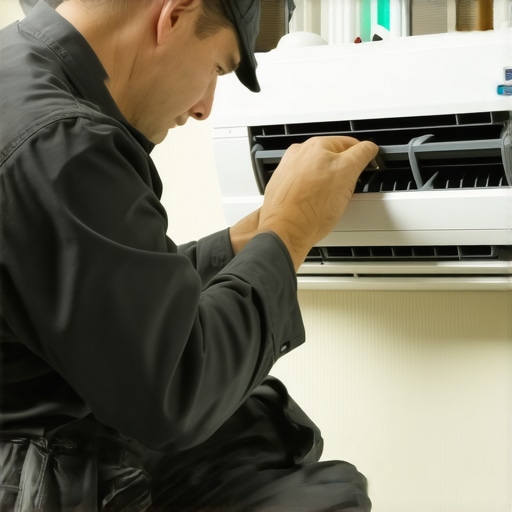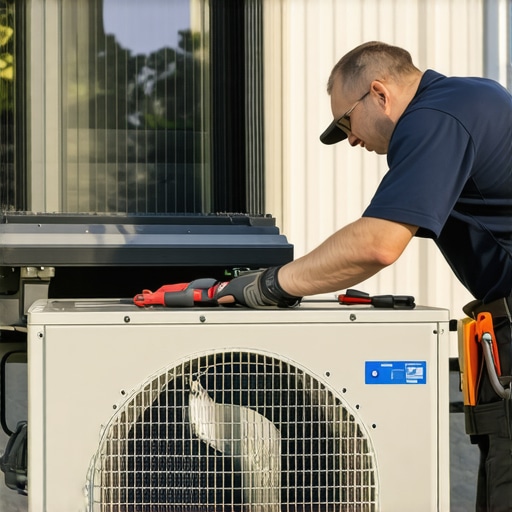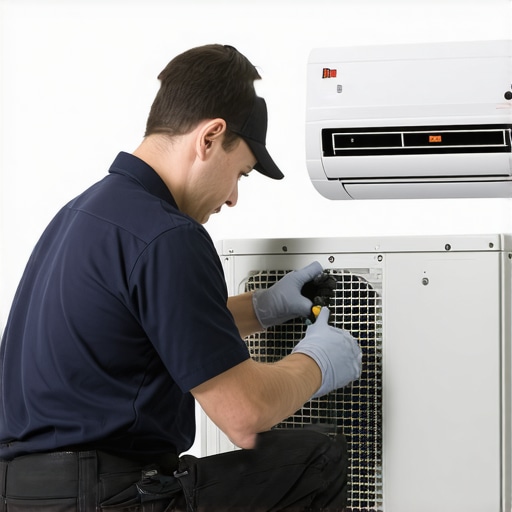
There was a night last winter when I sat shivering under a blanket, watching my heat pump sputter and die right before a cold snap. It was a moment of frustration that made me realize how much I rely on these systems for my comfort and peace of mind. That experience was a lightbulb moment—trusting the wrong repair service or ignoring early signs can turn a cozy home into a freezing nightmare.
Why Trust Matters More Than Ever in 2024
With the increasing complexity of modern heat pumps and mini-splits, it’s no longer enough to just call any HVAC technician. You need someone who understands the nuances of reliable repairs that last. I’ve learned firsthand that cutting corners or choosing a service based solely on price can lead to recurring issues and higher costs in the long run. According to recent industry insights, improper repairs can reduce your system’s efficiency by up to 30%—costing you more on energy bills and risking breakdowns when you least expect them. That’s why I’m committed to sharing what I’ve learned about selecting trusted professionals who deliver results you can rely on.
Is It Really Worth the Extra Effort to Find a Trusted Repair Service?
Early in my journey, I made the mistake of choosing a local handyman who promised quick fixes but lacked the expertise for long-term solutions. The result? My system kept failing, and I wasted time and money on temporary patches. It’s easy to dismiss the importance of specialized knowledge, but trust me, when it comes to your home’s comfort, it’s worth investing in the best. To avoid my mistake, I now prioritize companies with proven track records, positive reviews, and transparency about their repair processes. For a comprehensive approach, I recommend exploring resources like this guide that details what to look for in reliable heat pump and mini-split repair services.
In the next sections, I’ll walk you through practical steps to identify trustworthy repair providers and maintain your system’s efficiency. But first, ask yourself—have you faced unexpected system failures or paid for repeated repairs that never quite fixed the problem? If so, you’re not alone. Read on, and let’s fix this together.
},
Pinpoint the Right Experts for Repairs
Start by researching local HVAC professionals with proven track records in heat pump and mini-split repairs. Use reputable review sites and ask for references. When I faced a stubborn mini-split issue last summer, I checked reviews and contacted a company with high ratings. Their technician diagnosed my problem quickly and explained the repair process transparently, preventing future surprises.
Verify Credentials and Experience
Ensure the technician holds valid licenses and certifications like NATE or EPA. Experience in your specific system type matters. For instance, I once hired a general handyman with no specialized training, and his quick fix didn’t last a month. Since then, I prioritize specialists who demonstrate expertise with the brands and systems in my home.
Ask the Right Questions Before Repair
Prepare a list of questions: How long will the repair take? Is there a warranty? What parts will be replaced? When I called a trusted service, I asked about their warranty policy and got detailed answers, giving me confidence in their work. This step filters out less transparent providers.
Request a Detailed Estimate
Get an upfront quote outlining labor, parts, and any additional costs. I found that some companies padded their estimates, leading to unexpected bills. Reliable services like this guide emphasize transparency, helping you avoid hidden fees.
Monitor the Repair Process
Stay engaged during repairs: ask for updates and clarification on what is being done. When my technician replaced a faulty compressor, I watched him perform the work, which helped me understand maintenance needs down the line. Clear communication ensures you’re not left in the dark.
Test and Confirm Efficiency
After repairs, run your system through a test cycle. Check for proper airflow, temperature regulation, and noise levels. I once had a repair that seemed fine at first but resulted in higher energy bills. A thorough test confirmed the fix was successful.
Maintain Your System Regularly
Scheduled maintenance extends the lifespan and ensures lasting performance. Follow manufacturer guidelines or consult resources like this trusted guide. Regular filter changes, coil cleaning, and system inspections prevent costly breakdowns and keep your investment working efficiently.
Keep Records of Repairs and Maintenance
Document all work performed, including warranties and parts replaced. This record helps future technicians diagnose issues faster and ensures warranty coverage. I keep a digital folder with receipts and service reports, which has saved me time and money during subsequent repairs.
Following these steps transforms what can be a stressful process into a manageable routine. Trustworthy repairs aren’t just about fixing the problem—they’re about ensuring your home stays comfortable and efficient year-round. For more detailed advice, explore this comprehensive guide.
Many homeowners operate under misconceptions when it comes to heat pump repairs, often leading to costly mistakes. One pervasive myth is that any HVAC technician can handle heat pump repairs effectively. In reality, specialized knowledge and experience are crucial. For instance, a technician trained specifically in heat pump technology is more likely to identify nuanced issues that generic HVAC experts might overlook. This misconception can result in incomplete repairs or even further damage to the system. To ensure your heat pump gets the right care, always verify credentials and experience, especially with brands or models specific to your home. For more insights, check out this article on repair myths.
Another common mistake is assuming that all repairs are equal in quality. Many homeowners opt for the lowest bid, unaware that cheap parts or inexperienced technicians can cause more harm than good. This can lead to recurring issues, higher energy bills, and premature system failure. The key is to prioritize quality over cost—trustworthy repairs involve genuine parts, proper calibration, and thorough diagnostics. Remember, a reputable service provider will often offer warranties on their work, providing peace of mind. Sometimes, investing a bit more upfront saves you significant expenses later. You can learn how to spot reliable repair services by exploring this guide on trusted repair results.
Many homeowners also underestimate the importance of routine maintenance, believing that repairs alone can keep their systems running efficiently. This oversight often results in system inefficiency and unexpected breakdowns. Regular maintenance, including filter changes and coil cleaning, is essential to prolong the lifespan of your heat pump. Skipping these steps can turn a minor issue into a major repair. An advanced mistake is neglecting to ask detailed questions before agreeing to repairs. For example, not understanding whether parts are covered under warranty or if the repair includes a system tune-up can lead to surprises. Always request a detailed estimate and clarify warranty policies, as advised in this comprehensive maintenance guide.
How can you tell if your technician truly understands heat pump nuances?
Expert technicians will ask about your system’s history, run diagnostic tests, and provide clear explanations about the issues and solutions. They also stay updated on the latest technologies, such as inverter drives or variable-speed compressors, which are common in modern heat pumps. An experienced professional will not only fix the problem but also advise on preventative measures tailored to your system. This advanced knowledge can significantly improve your system’s efficiency and reliability. To avoid common pitfalls and ensure your repair is done right, consider consulting specialists with proven records, as highlighted in this expert repair resource.
Remember, understanding these nuances can save you money and frustration in the long run. Have you ever fallen into this trap? Let me know in the comments and share your experience!
Keep It Running Smoothly with Proven Tools
Maintaining your heat pump isn’t just about occasional inspections; it’s about having the right tools at your fingertips. I personally rely on a digital manifold gauge set for accurate pressure readings, which helps me identify refrigerant issues before they become costly repairs. These gauges allow me to monitor system performance in real time, ensuring optimal efficiency. Additionally, I use a high-quality multi-meter to check electrical components, preventing unexpected breakdowns. For cleaning, a coil brush and a gentle coil cleaner are indispensable—they keep heat exchange surfaces free of debris, maintaining system efficiency and prolonging lifespan.
Why I Trust Specific Equipment
My choice of a digital manifold gauge set from reputable brands like Yellow Jacket has been a game changer. It offers precise readings and easy-to-read displays, which are critical when troubleshooting complex refrigerant cycles. I also recommend a good infrared thermometer for quick temperature checks on supply and return air, helping me verify that my system is heating or cooling as intended. These tools save me time and give me peace of mind, knowing I’m not overlooking subtle signs of trouble.
Software That Keeps Me Ahead of Potential Problems
Beyond physical tools, I use HVAC diagnostic software that syncs with my smartphone. Apps like HVAC Check and Refrigerant Pressure Calculator help me log system data and compare it against manufacturer specifications. This proactive approach allows me to spot inefficiencies early—like slight pressure drops or temperature inconsistencies—before they escalate into major failures. As technology advances, I predict more homeowners will adopt smart monitoring systems that continuously track system health and send alerts directly to their devices, making maintenance more accessible and less reactive.
How do I maintain these tools over time?
Regular calibration is key—most manufacturers recommend recalibrating gauges annually. I also keep my tools clean and store them in protective cases to prevent damage. For software, I ensure my apps are updated regularly to benefit from the latest diagnostic algorithms. This routine maintenance of my tools ensures they remain accurate and reliable, preventing false alarms and missed issues. For more detailed guidance on system upkeep, I suggest reviewing this comprehensive guide.
Looking Ahead: The Future of DIY Maintenance
As smart technology becomes more affordable, I believe we’ll see an era where homeowners can perform more diagnostics themselves, reducing dependence on emergency repairs. Predictive analytics and AI-driven tools will likely guide us through routine checks, helping identify problems early and schedule repairs proactively. In the meantime, investing in quality tools and regular calibration remains the best practice. Try integrating one of these tools into your routine—like a refrigerant pressure gauge—to get immediate benefits in system longevity and efficiency.
The Hardest Lesson I Learned About Heat Pump Repairs
One of my biggest mistakes was trusting a repair service without verifying their expertise in specific heat pump brands. It resulted in recurring issues and higher costs. Now, I always check credentials and experience first.
Three Myths About Heat Pump Maintenance That Held Me Back
I used to believe that regular repairs were enough to keep my system running smoothly. I learned that routine maintenance like filter changes and coil cleaning is crucial to prevent failures and maximize efficiency.
What Experts Won’t Tell You About Choosing Repair Services
Many homeowners overlook the importance of transparency and detailed estimates. Always ask about warranties, parts, and costs upfront to avoid surprises and ensure quality work.
My Essential Toolkit for Heat Pump Troubleshooting
Using tools like a digital manifold gauge set and infrared thermometer has transformed my ability to diagnose issues early. These tools help me monitor refrigerant levels and system temperature, saving time and money.
Where to Go from Here
If you want to take control of your heat pump maintenance, start by researching trusted professionals and investing in quality tools. Regular checks and proper repair practices will keep your system efficient and reliable for years to come. For detailed guidance, explore this comprehensive guide.
Your Turn to Try
Are you confident in your current heat pump maintenance routine, or do you think it’s time for a fresh approach? Sharing your experience can help others make informed decisions. Let me know below!