It was one of those chilly mornings when I flicked on my heat pump, only to be met with silence. My heart sank. Sounds familiar? We’ve all been there—standing in a cold house, wondering if this will be the winter I freeze or if I can fix it myself. That early morning wake-up call was a lightbulb moment for me. I realized that trusting trusted HVAC repair isn’t just about calling someone when things go wrong; it’s about understanding the basics, troubleshooting smartly, and maintaining our systems to ensure lasting home comfort.
Why Getting Handy with HVAC Troubleshooting Matters Now More Than Ever
The truth is, HVAC systems are complex but not invincible. With so many homeowners managing their systems, knowing some DIY tips can save you time, money, and a lot of frustration. Plus, with recent studies showing that proper HVAC maintenance can improve efficiency by up to 25%, it’s clear that understanding your system isn’t just helpful—it’s essential for managing skyrocketing energy bills and climate resilience. When I first started tackling my own issues, I quickly learned that a few simple troubleshooting steps could mean the difference between a freezing winter and a cozy one.
Have you ever faced that moment when your heat just stops working, and you’re left shivering in your own home? If so, you’re not alone. Many homeowners feel overwhelmed, thinking they need specialized skills. But as I discovered early on—sometimes, the biggest mistake is jumping straight into replacements without simple diagnostics. Trust me, I made that mistake, replacing a perfectly fixable thermostatic switch because I didn’t troubleshoot properly first. Now, I recommend starting with a basic understanding of your system, which brings me to some practical tips.
For a solid foundation on maintaining your HVAC and avoiding costly repairs, check out [this comprehensive guide on HVAC repair secrets](https://chillyprohvac.com/hvac-repair-secrets-boost-efficiency-with-expert-tips). It’s packed with insights I wish I’d had when I was 처음 getting started, and it can help you avoid the common pitfalls that trap many homeowners.
So, what’s next? Well, I’m going to walk you through specific, actionable steps to troubleshoot and maintain your HVAC system. Because being proactive is the key to ensuring your home stays warm or cool when you need it most.
Check the Thermostat First
My first step during a heater failure was to verify that the thermostat was set correctly and functioning. Sometimes, the simplest fix is as easy as replacing dead batteries or resetting the thermostat. I recall a chilly morning when I found my thermostat display frozen—replacing batteries and a quick reset restored warmth immediately. Think of your thermostat as the brain of your system; if it’s not signaling properly, the entire operation stalls.
Inspect Air Filters Regularly
Clogged filters restrict airflow, making your system work harder or shutting it down. I once neglected to clean my filters, which caused my furnace to overheat and shut off repeatedly. To troubleshoot, turn off your system, remove the filter, and check for dust or debris. Replacing or cleaning it can sometimes resolve heating issues without professional help. Remember, a clean filter is like good lungs—key to efficient operation.
Examine Power and Circuit Breakers
Power issues are common culprits. I learned this the hard way when my heat stopped working during a storm—upstairs circuit breakers had tripped silently. Always ensure your system’s circuit breaker hasn’t tripped. Flip it off and on if needed and check for blown fuses. Think of your HVAC system’s electrical connection as its lifeline—if interrupted, the system won’t run.
Look at Vents and Registers
Blocked vents can cause uneven heating or cooling. At one point, I discovered a towel blocking a supply register in my child’s room, leading to chilly nights. Clear all vents and registers of obstructions—this is a simple step that often improves system efficiency. Visualizing your vents as arteries ensures air flows freely through your home.
Test Security and Power Switches on HVAC Units
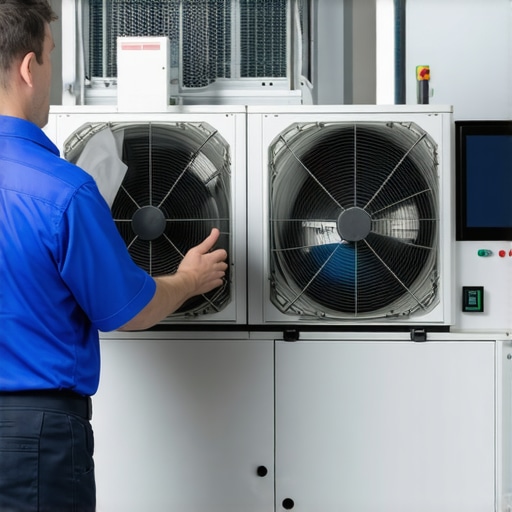
Many systems have reset buttons or switches; I once overlooked a disconnected switch near my heat pump. Ensure switches are in the ‘on’ position and reset buttons are pressed if available. This quick inspection saves trips to the repair service for minor issues. Think of these switches as the on/off switch for your home’s comfort engine.
Check Error Codes and LED Indicators
Modern units display error codes—your system’s way of communicating what’s wrong. I remember encountering a flashing light indicating a refrigerant issue. Consult your system’s manual to decode signals; this guides troubleshooting efficiently. It’s like reading your HVAC system’s blood pressure to diagnose internal issues without invasive measures.
Evaluate Refrigerant Levels and Compressor Function
Low refrigerant causes poor cooling or heating. I called a technician after suspecting a leak, but learning to listen for the compressor’s hum was informative. While handling refrigerant requires trained skills, visual or auditory cues can help determine if professional service is needed. Think of refrigerant as the lifeblood—if it’s low, system performance drops significantly.
Assess Condensate Drain Lines and Pumps
Clogged drains can cause shutdowns. I once found water backing up from my unit—cleaning the drain resolved the problem. Regularly inspect and clear condensate lines to prevent moisture-related shutdowns. Picture these drains as the system’s waste disposal—clogged lines lead to backups and failures.
Know When to Call a Professional
If troubleshooting steps don’t resolve the issue, it’s time to seek expert help. I found that attempting complex repairs myself sometimes led to more confusion, especially with refrigerant handling. Use reputable services like this contact page to find trusted technicians. Remember, some problems require specialized tools and safety precautions—don’t hesitate to reach out.
When it comes to HVAC repairs, there’s a common misconception that simple fixes will always do the trick. However, as an expert in the field, I can tell you that overlooking the nuanced diagnosis can lead to bigger problems down the line. Many homeowners believe that replacing a faulty component is the ultimate solution, but often, the real issue lies in a complex interplay of system parts that aren’t immediately obvious.
One prevalent myth is that mini-split systems are maintenance-free. In reality, neglecting regular checks, especially of air filters and condenser units, can drastically reduce efficiency and lifespan. Regular maintenance isn’t just about keeping things clean—it’s about understanding how various system components influence each other. For example, a clogged filter might seem trivial but can cause refrigerant pressure imbalances, leading to compressor failure—a costly mistake if not caught early. For advanced insights into maintaining these systems, I recommend exploring this comprehensive heat pump guide.
Another trap is assuming that all repairs are DIY-friendly. While some tasks like changing filters are straightforward, attempting to diagnose refrigerant leaks or electrical issues without proper training can be dangerous and cause further damage. A common misconception is that refrigerant levels can be topped off like oil in a car; in truth, handling refrigerants requires certified technicians because improper charging can harm performance and violate safety regulations. According to the EPA, improper refrigerant handling can lead to environmental harm and legal issues—so knowing your limits is essential.
Let’s address a nuanced concern that often escapes notice: heat pumps’ variable-speed compressor systems. These units adapt their output to match demand, providing energy efficiency that’s hard to achieve with traditional systems. However, tiny faults in sensor calibration or minor electrical glitches can cause the system to cycle improperly, reducing lifespan. Recognizing early signs of such issues requires an understanding of system operation beyond surface-level troubleshooting. For the seasoned homeowner or technician, delving into advanced heat pump repair strategies offers valuable knowledge.
What most people fail to realize is that the long-term health of HVAC systems hinges on proactive diagnostics and nuanced understanding. A quick fix might seem tempting, but it often masks deeper problems that, if left unaddressed, lead to costly repairs and diminished comfort. Being aware of these hidden nuances ensures you don’t fall into the trap of superficial repairs—saving you money and extending your system’s lifespan.
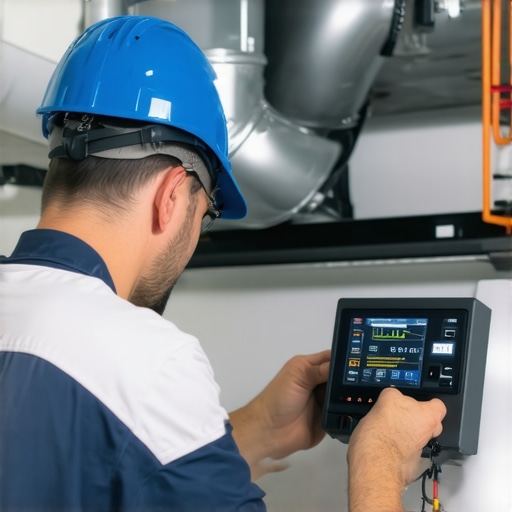
Have you ever fallen into this trap? Let me know in the comments and share your experience. Remember, proper troubleshooting and maintenance are your best defenses against surprise breakdowns, so stay informed and proactive.Maintaining your HVAC system for long-term reliability involves more than just occasional repairs; it requires selecting the right tools and adopting consistent practices. Personally, I rely on a digital multimeter to accurately diagnose electrical issues, as it helps me quickly identify faulty sensors or wiring problems without unnecessary guesswork. A reliable clamp meter is essential for measuring current draw on components like the compressor, ensuring they’re functioning within optimal ranges—saving time and preventing costly failures. For system fluid checks, I prefer using a frigorimeter, which provides precise refrigerant pressure readings, crucial for diagnosing low refrigerant levels that impact efficiency, as highlighted in professional HVAC service manuals. When it comes to cleaning, a compressed air blower clears debris from condenser coils effectively, maintaining airflow and heat exchange efficiency; I recommend this over simple brushes, which can sometimes damage delicate fins. Additionally, I use a handheld infrared thermometer to spot temperature disparities across vents or heat exchangers, allowing early detection of issues like blocked airflow or inefficient heat transfer. For managing system logs and troubleshooting, I rely on specialized HVAC diagnostic software accessible via a tablet, enabling me to review historical data and identify patterns before they escalate into emergencies. Predicting future trends, I believe integration of smart IoT sensors will become standard, providing real-time insights and automatic alerts to preempt failures, reducing downtime and repair costs.
How do I maintain HVAC tools and practices over time?
Regular calibration of measurement devices ensures ongoing accuracy, while scheduling seasonal full-system inspections keeps components in top shape. Changing filters and cleaning coils before peak seasons helps maintain efficiency, as discussed in the HVAC repair secrets article. Investing in quality, durable tools—like a sturdy multimeter from Fluke—pays off in long-term reliability and precision. Establishing a routine that includes brief monthly checks, such as inspecting electrical connections and filters, prevents minor issues from snowballing into costly repairs. Remember, staying proactive with your tools and habits not only extends your system’s lifespan but also enhances your comfort and energy savings. To optimize your maintenance routine, consider exploring advanced heat pump maintenance techniques. Don’t hesitate to try out these precise diagnostic methods; they’ve transformed my approach to HVAC care and can do the same for you.
What I Wish I Knew Before Jumping Into Repairs
One of the toughest lessons I learned was the importance of patience and proper diagnostic tools. Rushing to replace components without understanding the root cause often led me to repeat the same mistakes, wasting time and money. It taught me to invest in quality diagnostic equipment, like a digital multimeter, and to consult trusted resources before diving in. This approach not only saved me effort but also gave me confidence in handling future issues.
Tools That Transformed My HVAC Troubleshooting
Over time, I discovered that having a reliable set of tools—such as a clamp meter, infrared thermometer, and refrigerant pressure gauge—makes all the difference. These tools help pinpoint problems accurately, preventing unnecessary part replacements. I personally trust brands like Fluke for multimeters and recommend exploring specialized equipment from HVAC supply stores. Using the right tools has empowered me to address minor issues quickly and safely.
Embracing the Power of Knowledge and Community
Joining online forums and reading in-depth guides like this comprehensive HVAC repair guide opened my eyes to nuances I wasn’t aware of. Sharing experiences and learning from seasoned technicians helped me avoid common pitfalls. Remember, no repair is a solo journey—lean on expert insights and community wisdom to make informed decisions.
Your Next Step Toward Confident HVAC Maintenance
The key takeaway? Don’t wait for your system to break down before acting. Regular inspection and a willingness to learn transform you from a nervous homeowner into a capable caretaker of your home’s comfort. Start with simple steps like checking filters and thermostats, then gradually expand your knowledge and toolkit. You’re capable of mastering regular HVAC care—embrace the challenge and enjoy a warmer, cooler home in return.
What’s one HVAC troubleshooting tip you’ve found invaluable? Share your story in the comments below—I’d love to hear how you’ve taken control of your home comfort journey!