The Scent of a Crisis: Why Your Furnace Smells Like a Swamp
You walk into your living room, expecting the cozy warmth of a well-tuned heating system, but instead, you are hit with the unmistakable, pungent stench of rotten eggs. That sulfurous odor is not a plumbing mishap or a forgotten snack; it is the industry’s way of screaming at you that something is wrong. As an HVAC veteran who has spent three decades navigating frozen crawlspaces and soot-caked mechanical rooms, I can tell you that the smell of mercaptan is the only thing standing between a minor repair and a catastrophic event. Natural gas is naturally odorless, but utilities inject this chemical so you can sniff out trouble before it turns into a headline. If you smell it, the physics of your home’s safety have changed instantly.
The Narrative Matrix: Exposing the Sales Tech Scam
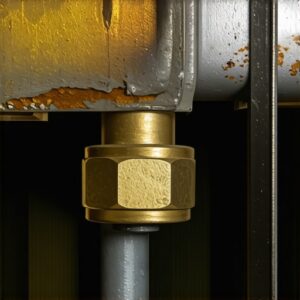
I remember a call I took last February. A local congregation was frantic because their church heating systems were failing right before a big wedding. I arrived to find a ‘Sales Tech’ from a big-box franchise already there, looking shiny in a clean uniform that had never seen a drop of oil. He had a clipboard out and was telling the head deacon that the entire multi-zone manifold was ‘compromised’ and they needed a $22,000 replacement immediately. He claimed the rotten egg smell was proof of a cracked heat exchanger that couldn’t be fixed. I waited for him to leave, pulled out my electronic leak detector, and found the culprit: a $15 union that hadn’t been tightened properly after a previous service, combined with a failing draft inducer motor repair that was letting flue gases linger. I tightened the fitting, replaced the inducer, and they were back in business for a fraction of the cost. That is the difference between an Airflow Architect and someone looking for a commission. You have to know the mechanical anatomy to solve the problem without draining the bank account.
“The presence of a gas odor is an immediate indication of a hazardous condition requiring prompt action according to established safety protocols.” – NFPA 54: National Fuel Gas Code
The Forensic Diagnosis: Anatomy of a Furnace Failure
When your furnace starts stinking, we have to look at the mechanical organs. First, we look at the gas valve—the heart that regulates the flow of ‘juice.’ If the valve doesn’t seat correctly, gas can bleed through the manifold. Then there is the blower motor replacement scenario. Sometimes, a motor doesn’t just die; it burns out, and the smell of electrical ozone mixed with dust can mimic organic odors. But the ‘rotten egg’ smell is almost always a gas leak. In Northern climates, where we deal with sub-zero temperatures, the thermal stress on a heat exchanger is immense. The metal expands and contracts like a pair of lungs. Over 20 years, those ‘lungs’ can crack. If the inducer motor isn’t pulling a proper draft, those combustion byproducts backdraft into the home. This is where AI-driven HVAC optimization is becoming a ‘Sparky’s’ best friend. Modern sensors can detect these minute pressure changes long before your nose does, sending an alert to app-controlled heating systems that can shut the gas valve down automatically.
The Math: Repair ($500) vs. Replace ($8,000)
Homeowners often panic when they hear the word ‘gas.’ Should you pull the plug? If your furnace is under 12 years old and has a high AFUE rating, a commercial furnace repair approach—replacing the gas valve or fixing the venting—is usually the move. However, if you are running an old atmospheric-vented beast with a pilot light, you are throwing good money after bad. We now have heat recovery ventilators (HRVs) and air purification integration that make modern units exponentially safer and more efficient. An HRV, for example, swaps out stale, potentially contaminated indoor air with fresh outdoor air while keeping the heat energy. It’s physics, not magic. If you are constantly calling for a blower motor replacement or dealing with a cracked exchanger, it’s time to move to a high-efficiency condensing furnace. Check out these furnace repair myths to see if you are being fed a line by a ‘Sales Tech.’
“Ventilation systems must be designed to provide a minimum outdoor air intake rate to maintain indoor air quality and prevent the accumulation of hazardous gases.” – ASHRAE Standard 62.1
Climate Logic: The Cold Front Reality
In the North, we don’t just worry about cooling; we worry about survival. A failed furnace in a blizzard is a pipe-bursting nightmare. This is why priority service memberships are more than just a ‘club.’ They are an insurance policy for your mechanical systems. When the grid is stressed and every ‘Tin Knocker’ in town is booked, those with a membership get the first knock on the door. Furthermore, with remote thermostat access, I can often diagnose a failing flame sensor or a limit switch trip from my truck before I even step into your basement. We can see if the unit is ‘short cycling’—turning on and off too fast—which kills compressors and heat exchangers alike. If you are experiencing these issues, do not wait. You can contact us for a real diagnosis that focuses on airflow and safety, not just a sales pitch.
The Airflow Manifesto: Beyond the Smell
Comfort is about static pressure. Most people think they need a bigger furnace, but they actually just have bad ductwork. If the ‘Pookie’ (mastic) on your joints is cracking and your return air is restricted, your furnace will overheat. That overheating stresses the metal, leading to the cracks that eventually cause those leaks and smells. We use AI-driven HVAC optimization to map the static pressure in your home, ensuring the ‘juice’ you pay for actually reaches the bedrooms. It is about the balance of sensible and latent heat. In the winter, we want to maintain that heat without letting the air get so dry your skin cracks, which is where air purification integration and whole-home humidifiers come into play. Don’t let a ‘Sales Tech’ tell you that a rotten egg smell means you need a whole new house; let a pro find the leak, fix the airflow, and keep your family safe. For more on keeping your system running, read the hvac repair secrets guide. Stay safe, keep your filters clean, and remember: if it smells like sulfur, get out and call the experts.