The Code of the Old Guard: Why Paperwork is Your Life Jacket
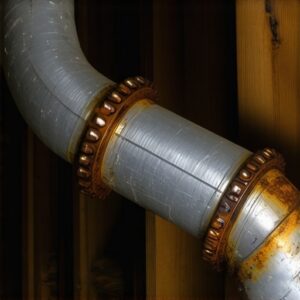
My old mentor used to scream at me in the middle of February, his breath visible in a basement in Chicago, ‘You can’t respect what you don’t fear! Gas isn’t your friend, it’s a caged tiger!’ He wasn’t just talking about the 0.5 PSI flowing through that black iron pipe; he was talking about the paperwork. In 30 years of crawling through spider-infested crawlspaces and hauling pipe wrenches, I’ve seen what happens when a ‘trunk slammer’ ignores the municipal code. Modern gas line installations aren’t just about threading pipe and slapping on some ‘Pookie’ or pipe dope; they are legal minefields that require precision, patience, and a stack of permits that would choke a donkey. We aren’t just moving molecules of methane; we are managing thermodynamics and liability.
The North Climate Reality: When the Polar Vortex Hits
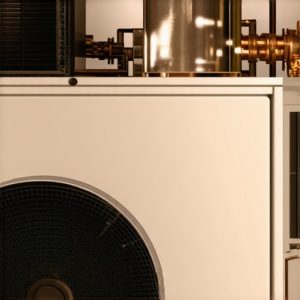
In our neck of the woods, where the mercury drops faster than a lead weight in a pond, an oil to gas conversion isn’t just a luxury; it’s a survival strategy. But here is the thing: the cold doesn’t care about your feelings. When we talk about heat pump maintenance, we focus on the coil, but with gas, we focus on the combustion. If you are in a cold climate, the venting requirements for a high-efficiency furnace are brutal. We are talking about AFUE ratings that require PVC venting because the exhaust is so cool it condenses into acidic liquid. If you don’t have the right permit for that Energy Star heating certification, you’re looking at a cracked heat exchanger and a house full of carbon monoxide before the first blizzard hits. I’ve walked into homes where the ‘Sparky’ did the wiring but the gas guy skipped the pressure test. It’s a recipe for a sour-smelling disaster.
“The installation of fuel gas systems shall be performed in accordance with this code and the local jurisdiction’s amendments. No gas piping shall be covered or concealed until it has been inspected and approved.” – International Fuel Gas Code (IFGC)
Blueprint of the Bureaucracy: The Regulatory Cliff
We are currently standing on a regulatory cliff. As we move toward 2025, the industry is shifting. It’s not just about the pipes anymore; it’s about leak detector integration and AI-driven HVAC optimization. The permits now require you to prove that your system won’t just heat the house, but that it will do it without wasting a single BTU. When we do a carbon monoxide detector installation as part of a gas line upgrade, the inspector isn’t just looking for the device; they are looking for the wiring diagram and the portable heater safety checks that show you aren’t supplementing a failing system with a fire hazard. If you think skipping a permit saves money, wait until you try to sell your house and the home inspector finds an un-tagged gas manifold. That’s a $10,000 headache you don’t want.
The Anatomy of a Pressure Test
Every legitimate gas line job begins and ends with the manometer. I don’t care what the ‘Sales Tech’ told you about ‘quick installs.’ We pump that system up to 15 PSI—way beyond its operating pressure—and we watch that needle like a hawk. If it wiggles, we have a leak. This is where contactor repair knowledge comes in handy because often the electrical components are what trigger the safety shutoffs. Modern systems now use AI-driven HVAC optimization to monitor these pressures in real-time, but the permit requires the manual test. It’s about the physics of gas expansion. When the temperature in the basement changes, the pressure in the pipe changes. You have to know the math, or you’re just guessing with people’s lives.
The Humidifier and Ductwork Connection
Airflow is king, even in a gas discussion. You can’t talk about a new gas line without talking about humidifier installation. Why? Because gas heat is dry—brutally dry. It sucks the moisture out of your hardwood floors and your sinuses. If the tin knocker didn’t size your return air drops correctly, that new furnace is going to overheat and trip the limit switch. I’ve seen guys spend three days on a gas line only to realize the duct cleaning services were never done, and the internal static pressure is so high the unit sounds like a jet engine taking off. This is why we look at the whole system. If you want to avoid the common pitfalls, you need to understand furnace repair myths that suggest you can just ‘turn up the gas’ to get more heat. Physics doesn’t work that way.
“Gas piping systems shall be designed to provide a supply of gas sufficient to meet the maximum demand of all connected appliances.” – NFPA 54: National Fuel Gas Code
Modern Safety: Beyond the Pipe
Today’s installations involve electric heater services as backups and sophisticated portable heater safety checks for those fringe areas like garages. But the heart of the permit is the carbon monoxide detector installation. I’ve seen too many ‘near misses’ where a blocked flue from a bird’s nest sent CO back into the living room. The modern permit requires these detectors to be hardwired and interconnected. It’s not just about the blue flame; it’s about the invisible killer. If your tech isn’t talking about leak detector integration with your smart home system, they are living in 1985. We use sensors now that can sniff out a leak at the parts-per-million level before you even smell the mercaptan ‘rotten egg’ odor. For more on keeping your system tight, check out these hvac repair secrets.
The Cost of Cutting Corners
Let’s talk about the ‘Sales Tech’ scam. You get a quote that’s 30% lower than everyone else. Why? Because they aren’t pulling a permit. They aren’t paying the $200 fee, sure, but they also aren’t following the code for Energy Star heating certification. They are using thin-wall tubing where they should be using schedule 40 black iron. They aren’t installing a drip leg (sediment trap) before the gas valve. Within two years, that gas valve will be gummed up with debris, and you’ll be calling me for a contactor repair or a full valve replacement. By then, the original company is gone, and you’re stuck with a red-tagged unit in the middle of a polar vortex. If you are struggling with a complex setup like a mini-split, you might need mini-split troubleshooting, but for gas, there is no ‘DIY’—there is only the code and the consequences.
The Final Inspection: What to Expect
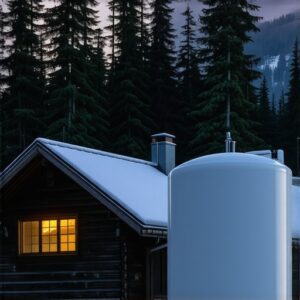
When the inspector walks in, he’s not looking at the shiny new furnace. He’s looking at the joints. He’s looking for the yellow ‘passed’ tag on the pressure test. He’s checking the venting clearance from windows and intake air. If you’ve done an oil to gas conversion, he’s checking how the old oil tank was decommissioned. It’s a holistic view of the home’s mechanical health. Comfort is physics, not magic. If the paperwork isn’t right, the physics won’t be either. You want a system that purrs like a kitten and keeps you warm when the wind is howling at 40 mph. That starts with a permit, a plan, and a technician who isn’t afraid of a little red tape. [{“@context”:”https://schema.org”,”@type”:”HowTo”,”name”:”How to Ensure a Legal Gas Line Installation”,”step”:[{“@type”:”HowToStep”,”text”:”Apply for a local mechanical and plumbing permit through your city or county office.”},{“@type”:”HowToStep”,”text”:”Install black iron piping or CSST according to the International Fuel Gas Code standards.”},{“@type”:”HowToStep”,”text”:”Perform a pressure test using a manometer at 15 PSI for at least 15 minutes to verify system integrity.”},{“@type”:”HowToStep”,”text”:”Install hardwired carbon monoxide detectors as required by modern safety regulations.”},{“@type”:”HowToStep”,”text”:”Schedule a final inspection with the municipal authority to receive a green tag for operation.”}]}]