The Night the Mercury Froze: A Lesson in Absolute Zero
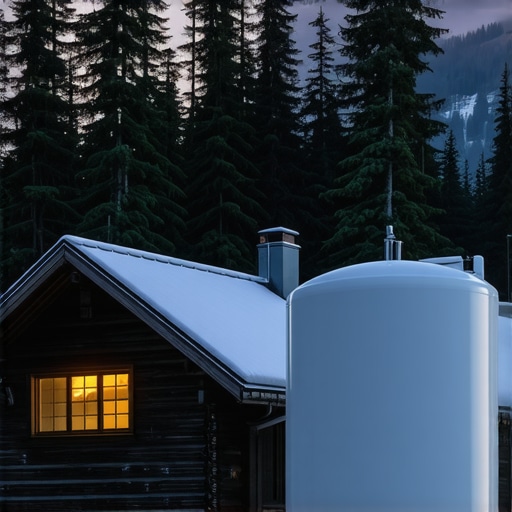
My old mentor, a grizzly veteran named Miller who smelled like tobacco and 3-in-1 oil, used to scream at me in the middle of February blizzards while we were knee-deep in a frozen crawlspace: ‘Kid, you can’t move what isn’t there! Thermodynamics is a cruel mistress!’ He was talking about heat pumps in the North. When the ambient temperature drops to -10°F, even the best geothermal heat pump systems struggle to keep up because the delta-T between the ground source and the indoor requirements stretches the physics of the refrigerant cycle to its breaking point. This is why I tell every homeowner who will listen: if you want to survive a polar vortex without shivering under five blankets, propane is the king of the frozen north. It’s not about brand loyalty; it’s about the BTU density and the reliability of combustion when the power grid starts looking shaky.
“The heat exchanger is the heart of the heating system, and its integrity is non-negotiable for safety and efficiency.” – ACCA Manual S
When you switch to propane, you aren’t just changing fuel; you’re changing the mechanics of how your home fights back against the cold. Propane burns at a much higher temperature than the heat produced by electric strips or struggling air-to-air heat pumps. We’re talking about air leaving your registers at 120°F to 140°F, rather than the lukewarm 90°F ‘ghost breath’ you get from a heat pump in deep winter. But this heat comes with a responsibility. You can’t just set it and forget it. I’ve seen too many ‘Sales Techs’ push a new furnace and then vanish, leaving the homeowner with a dirty system that fails on the first frost. This is where furnace flame sensor cleaning becomes a life-saver. That tiny rod of metal is the only thing standing between a warm house and a lockout. If it gets a microscopic layer of carbon buildup, your furnace won’t know the burner is lit, and it’ll shut down the gas for safety, leaving you in a 24/7 heating emergency response situation that could have been avoided with a simple scotch-brite pad and five minutes of work.
The Anatomy of Winter Comfort: Beyond the Burner
Comfort isn’t just about the furnace in the basement; it’s about how that heat is distributed and retained. If your home has cold spots, you probably have a static pressure issue that no amount of propane can fix. I always look at the radiant floor heating installation as the gold standard for high-latitude living. It uses thermal mass to keep the heat at your feet where you actually live, rather than letting it pool at the ceiling. And don’t forget the outbuildings. A garage heater installation using propane is the difference between a functional workshop and a block of ice during the dark months of January. While you’re at it, you need to think about the air you’re breathing. Cold air is dry air. When you heat up that propane-fired furnace, the relative humidity in your house drops faster than a lead balloon. This is why bypass humidifier repair and IAQ improvement services are mandatory, not optional. If your nose is bleeding and your wood floors are gapping, your ‘survival strategy’ is missing a crucial chapter. You need to maintain that moisture balance or you’re just living in a very warm, very dry oven.
“Ventilation and pressure differentials must be managed to prevent the backdrafting of combustion products into the living space.” – ASHRAE Standard 62.1
One of the biggest scams I see in this industry is the ‘all-electric’ promise in zones where the temperature stays below freezing for months. Sure, geothermal heat pump systems are efficient, but the upfront cost is massive, and when they fail, you’re stuck waiting for a specialist while your pipes freeze. Propane gives you autonomy. Combine it with occupancy sensor installation to ensure you aren’t heating empty rooms, and you’ve got a smart, resilient system. If you suspect a problem, don’t wait for the ‘burning smell.’ Proper refrigerant leak detection is still vital even in heating season for those dual-fuel setups, but the propane side is all about the ‘Pookie’—that thick mastic sealant the tin knockers use to make sure your ductwork isn’t leaking 30% of your paid-for heat into the attic. If you want to keep the Sparky from having to come out and fix blown circuits from space heaters, invest in preventative maintenance contracts. It’s cheaper than a midnight service call. For more on keeping your system running right, check out these hvac repair secrets or look into furnace repair myths debunked to stay ahead of the curve. And if you’re using a mini-split as a backup, know when and how to call a pro before you start poking around the control board. For everything else, there’s always our contact page. Stay warm, stay cynical, and keep your filters clean.