The Sound of the Impending Arctic: Why Waiting is a Mechanic’s Payday
The silence of a dead furnace at 3 AM is a specific kind of heavy. It’s not just the quiet; it’s the sound of thermal energy escaping through your poorly insulated rim joists while your bank account prepares for a frontal assault. Every year, right around the first week of November, my phone starts screaming. It’s always the same story: ‘It worked fine last year!’ Well, your car worked fine before the transmission dropped on the interstate, too. Mechanical systems don’t care about your schedule. They care about physics, and right now, the physics of thermal expansion and contraction are waiting to rip your heat exchanger apart.
The Narrative: The $12,000 ‘Cracked’ Heat Exchanger That Wasn’t
I followed a ‘Sales Tech’—you know the type, looks like he stepped out of a corporate brochure, smells like cheap cologne instead of PVC primer—to a house in the suburbs last October. He’d quoted a retired schoolteacher $12,000 for a full system replacement because of a ‘lethal’ cracked heat exchanger. I walked in, pulled the blower motor, and shoved my snake camera into the primary cells. Nothing. Not a single fissure. The actual culprit? A $45 flame sensor so covered in carbon it couldn’t prove the flame, and a clogged condensate trap that was backing up into the pressure switch. He wasn’t a tech; he was a shark in a polo shirt. This is why you get an inspection from a Tin Knocker who actually knows how to use a manometer, not a guy with a sales quota. If you’re worried about being taken for a ride, check out these furnace repair myths debunked before you sign any contracts.
“The most expensive equipment in the world cannot overcome a bad duct system.” – Industry Axiom
Thermodynamic Zooming: The Anatomy of the First Fire
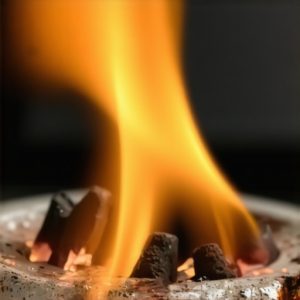
When you flip that thermostat to ‘Heat’ for the first time, you aren’t just turning on a machine; you’re initiating a violent chemical reaction. In a standard gas furnace, the silicon carbide igniter glows until it reaches about 2,500°F. Then the gas valve snaps open, and whoosh—combustion. That heat is sucked through the heat exchanger by the inducer motor. Now, here is where the physics gets real: those metal cells expand. If they are dirty, or if the airflow is restricted by a 20-year-old duct design that was never right to begin with, that metal fatigues. In a high-efficiency unit, we’re also dealing with latent heat. We’re literally squeezing water out of the flue gases to get every BTU possible. If your variable speed furnace services haven’t included a check on the secondary heat exchanger, you’re essentially running a ticking time bomb of acidic condensate.
Airflow is King: The Static Pressure Nightmare
Most homeowners think a furnace is just a box that makes hot air. Wrong. It’s a pump. And if that pump is pushing against 0.9 inches of water column because your returns are too small or your ‘high-efficiency’ pleated filter is choked with pet dander, the heat exchanger is going to overheat and ‘limit out.’ This constant cycling—on, off, on, off—is what kills compressors in the summer and heat exchangers in the winter. Professional duct design services are the only way to ensure your air handler repair isn’t just a temporary band-aid on a systemic hemorrhage. We use ‘Pookie’ (mastic) to seal those joints because foil tape is for amateurs who want their ductwork to leak into the attic after three seasons.
[IMAGE_PLACEHOLDER]
The Humidity Factor and the North/Cold Reality
In the North, the enemy isn’t just the cold; it’s the dryness. When that outdoor air hits -10°F, its moisture-carrying capacity is basically zero. You bring that air inside, heat it to 70°F, and your relative humidity drops to 5%—drier than the Sahara. This is why humidifier installation isn’t a luxury; it’s a structural necessity for your woodwork and your lungs. Furthermore, in tightly sealed modern homes, you’re breathing the same stale air all winter. That’s where heat recovery ventilators (HRVs) come in. They swap the stale indoor air for fresh outdoor air while ‘stealing’ the heat from the exhaust stream to pre-heat the intake. It’s a thermodynamic magic trick that keeps your CO2 levels low without spiking your gas bill.
The Moving Parts: From Relays to Snow Melt
During a pre-freeze inspection, I’m looking at the ‘Sparky’ side of things too. Relay services and capacitor replacement services are the cheap insurance policies of the HVAC world. A capacitor is basically a temporary battery that gives your motors the ‘kick’ they need to start. In the freezing cold, oil in the bearings gets thick like molasses. If your capacitor is weak (reading 3 microfarads when it should be 5), that motor isn’t going to start. It’s going to hum, overheat, and burn out its windings. If you have an outdoor setup, don’t forget the pool heater repair and snow melt systems installation checks. There is nothing worse than a $50,000 driveway cracking because the glycol mixture in your snow melt system wasn’t tested for its freeze point before the blizzard hit.
“Standard 62.2 defines the roles of mechanical ventilation in low-rise residential buildings.” – ASHRAE Standards
The Regulatory Cliff: SEER2 and the Death of R-410A
We are currently in the middle of the biggest regulatory shift in thirty years. Everything is moving toward SEER2 compliant upgrades. If your unit is more than 12 years old, you’re likely running on R-410A, which is being phased out for A2L refrigerants like R-454B. These new systems are ‘mildly flammable,’ which sounds scary but just means they require more sensors and better ‘Tin Knockers’ to install them correctly. If you’re still limping along with a 10-SEER dinosaur, you’re literally burning money. You can find more hvac repair secrets to bridge the gap, but eventually, the physics of old age wins. For those with heat pumps, the stakes are even higher; you need a tech who understands the defrost cycle, or you’ll wake up to a giant ice cube outside. See our ultimate guide to heat pump maintenance for the deep dive on that.
Why the ‘First Freeze’ is Your Deadline
Once the ground freezes, everything gets harder. If I have to dig up a line set or fix a snow melt system in frozen dirt, it’s going to cost you more. A pre-season inspection allows us to find the relay services issues or the failing igniter when the parts stores are actually stocked, not when there are 400 other people in line for the same inducer motor. Don’t wait until you’re huddling around a space heater. Contact us today to get on the schedule before the ‘Big Freeze’ panic begins. Remember, comfort is a product of physics and planning, not luck. If you’re having issues with a smaller unit, you might even find help in our mini-split troubleshooting guide.