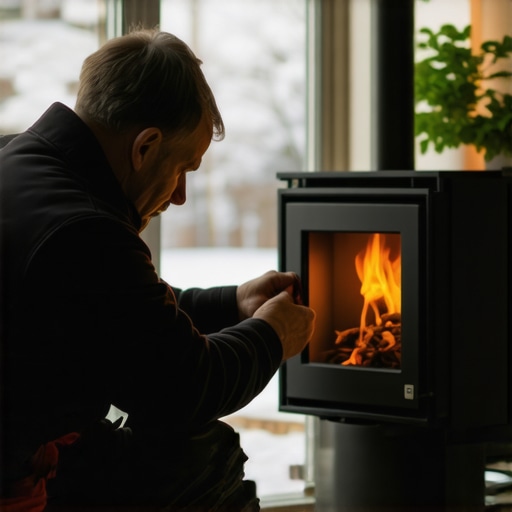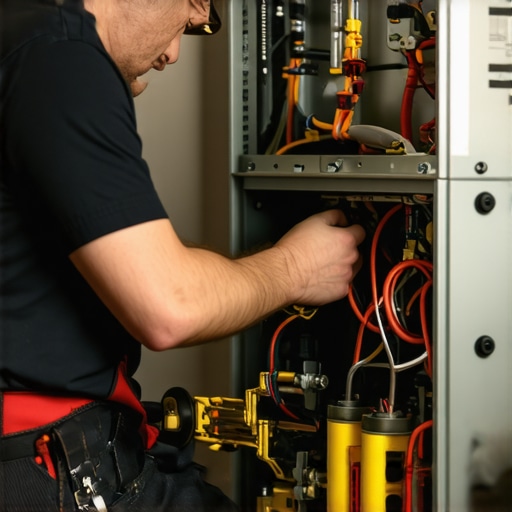
I remember the coldest night last winter. My furnace sputtered, then went silent. I was frozen, frustrated, and worried about the damage. That lightbulb moment hit me hard—trusting just any HVAC service isn’t enough. You need experts who deliver results you can actually rely on. Today, I want to share how you can avoid those freezing nights and endless calls for repairs, and instead, ensure your home stays warm and cozy all year round.
Why Reliable HVAC Repairs Matter More Than Ever in 2024
As we step into 2024, the importance of dependable heating and cooling systems is clearer than ever. With energy costs soaring and climate unpredictability increasing, a faulty HVAC system can turn your home into an uncomfortable, expensive nightmare. The good news? Choosing the right repair services can make all the difference. I’ve learned from my own missteps—like rushing to a cheap fix that only lasted a season—that quality results pay off in the long run. According to the U.S. Department of Energy, well-maintained HVAC systems can save homeowners up to 30% on energy bills, which is a huge incentive to get it right the first time.
Have you faced this problem? Maybe your furnace is making strange noises, or your AC just won’t cool anymore. If so, you’re in the right place. Today, I’ll walk you through how to find reliable HVAC repair services that deliver lasting results, not just quick fixes. We’ll cover what to look for, common mistakes to avoid, and how to ensure your system runs smoothly for years to come.
Is It Worth Investing in Professional HVAC Repairs in 2024?
This is a question I hear a lot—and honestly, I used to be skeptical too. It’s tempting to try DIY fixes or hire the cheapest technician. But early on, I made the mistake of ignoring the importance of experienced professionals. That led to recurring issues and higher costs down the line. Trust me, skimping on quality service will cost you more in the end. Reliable companies, like those offering trusted furnace and heat pump repairs, focus on long-term solutions. For more on common repair myths and how to avoid them, check out this helpful guide.
In the sections ahead, I’ll share practical tips and insider advice to help you choose the right experts for your HVAC needs. Because when you get results you can trust, your home becomes a sanctuary—not a source of stress. Ready to make your comfort last? Let’s dive in.
,
Identify the Problem Clearly
The first step in reliable HVAC repair is diagnosing the issue accurately. I once faced a situation where my furnace suddenly stopped working, and I initially thought it was a simple filter change. However, after observing strange noises and inconsistent heating, I realized I needed a professional assessment. To do this effectively, check for warning signs like unusual noises, inconsistent temperatures, or increased energy bills. Document these symptoms before calling a technician. This helps ensure you communicate the problem clearly, leading to a faster, more accurate repair.
Choose Experienced Professionals
Next, selecting the right technician is crucial. I learned this the hard way when I hired a cheap handyman for my AC repair—he fixed the immediate issue but didn’t address the root cause. The system failed again within a month. To avoid this, research local HVAC companies with good reviews and proper licensing. Look for specialists in the specific system you have, whether it’s a heat pump, furnace, or mini-split. Trusted companies often offer guarantees, which is a sign of confidence in their work. For more insight, check out this resource.
Request a Detailed Inspection
Don’t settle for quick fixes; insist on a comprehensive inspection. When I scheduled a service, I asked the technician to evaluate the entire system—not just the broken part. This revealed a neglected component that was causing strain on the whole unit. A thorough check includes inspecting filters, electrical connections, refrigerant levels, and safety controls. This approach prevents future breakdowns and extends system lifespan. Remember, a well-maintained system runs more efficiently, saving you money in the long run.
Prioritize Long-Term Solutions
Temporary fixes might seem tempting, but they often lead to recurring issues. I once accepted a quick patch for my furnace, only to face the same problem a few months later. Reliable repair involves replacing worn parts, upgrading outdated components, or even recommending system upgrades if necessary. For example, upgrading to a high-efficiency furnace or heat pump can significantly reduce energy costs. Explore this guide for options suited to your home. Quality parts and professional installation ensure your system performs optimally for years to come.
Follow Up and Maintain Regularly
Once the repair is complete, scheduling regular maintenance is key. I set reminders for seasonal checkups, which include cleaning coils, replacing filters, and inspecting ductwork. These routine actions prevent unexpected failures and keep your system running at peak efficiency. According to the Department of Energy, routine maintenance can save homeowners up to 30% on energy bills. Keep a record of service dates and technician recommendations. Proper maintenance not only prolongs system life but also ensures consistent comfort and lower utility costs.
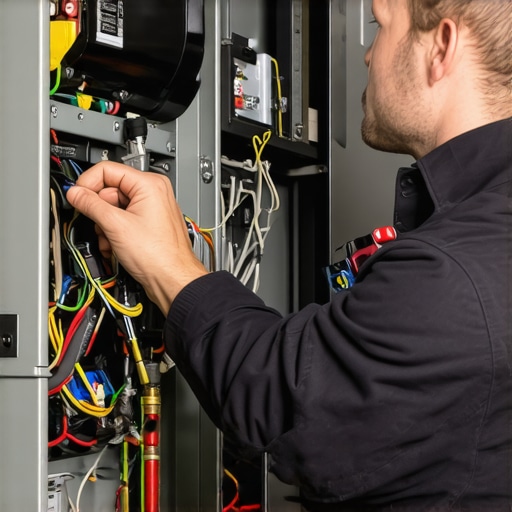
Many homeowners fall prey to misconceptions that can undermine their HVAC system’s performance and longevity. Let’s dig deeper into what most people get wrong about reliable repairs and how these myths can lead to costly mistakes. By understanding these nuances, you’ll be better equipped to make informed decisions and avoid common pitfalls.
Why DIY Fixes Might Do More Harm Than Good
One of the biggest mistakes is attempting DIY repairs without proper expertise. While it might seem cost-effective initially, improper handling can damage sensitive components, void warranties, or even create safety hazards. For example, tampering with refrigerant levels or electrical wiring without professional tools and knowledge often results in more extensive and expensive repairs later. According to industry experts, DIY attempts frequently lead to recurring issues and can compromise system safety. Always consult a qualified technician—like those listed in this trusted guide—to ensure your system is serviced correctly the first time.
Myth: All HVAC Technicians Are the Same
Not all technicians possess the same level of skill, experience, or certifications. Relying on a cheap or unlicensed handyman might seem tempting, but it often results in subpar work that needs to be redone sooner. Certified specialists in systems like heat pumps or mini-splits are trained to diagnose issues accurately and provide long-lasting solutions. For instance, a technician experienced in mini-split troubleshooting can save you time, money, and frustration. Always check reviews, licensing, and warranties before hiring—trustworthy companies are worth the investment.
What Advanced Homeowners Should Know About System Maintenance
Many assume that regular cleaning and filter changes are sufficient for system health. However, neglecting detailed inspections, refrigerant levels, and electrical components can lead to gradual deterioration and unexpected breakdowns. An often overlooked nuance is the importance of upgrading outdated parts or even considering system replacements for better efficiency. Research indicates that proactive maintenance, including professional tune-ups, can extend your HVAC system’s lifespan significantly. For more tips on achieving this, review this expert resource.
Have you ever fallen into this trap? Let me know in the comments. Remember, investing in proper, professional repairs not only ensures your comfort but also saves you money in the long run. Don’t let misconceptions derail your home’s climate control—stay informed, and trust the experts.
How do I keep my HVAC system running smoothly over time?
Maintaining your HVAC system isn’t just about calling a technician when something breaks; it’s about proactive care that extends its lifespan and keeps it running efficiently. One of my favorite tools for this purpose is a digital refrigerant leak detector. I personally use the Inficon CPS100 because of its sensitivity and ease of use. It helps me quickly identify leaks that might otherwise cause low efficiency or compressor damage if left unnoticed. Regularly checking refrigerant levels and sealing leaks early can save you hundreds in repair costs and improve system longevity. Additionally, I rely on a high-quality microfiber cloth and a soft brush to clean coils during routine maintenance, which I do every season. Keeping coils clean maximizes heat transfer and reduces energy consumption, aligning with the advice in this comprehensive guide.
For electrical components, I recommend a multimeter like the Fluke 117. It’s reliable and precise, allowing me to verify voltage and continuity without risking damage to sensitive parts. I also keep a set of insulated screwdrivers and pliers handy for minor repairs and adjustments. These small tools make a big difference in ensuring safety and accuracy during maintenance tasks. Investing in professional-grade tools ensures you’re not just guessing but making informed interventions that prolong your system’s life.
Looking towards the future, the trend is leaning heavily toward smart diagnostics. Systems equipped with IoT sensors will soon self-report issues before they escalate, making maintenance more predictive than reactive. But until then, sticking with proven tools like leak detectors, multimeters, and coil cleaners is essential. I encourage you to try out the refrigerant leak detector I mentioned—it’s a game-changer for early problem detection. Regularly scheduled maintenance with these tools will ensure your HVAC system works flawlessly, saving money and energy while providing consistent comfort.
Lessons That Shifted My Approach to HVAC Repairs
- The Hidden Cost of Quick Fixes: I learned the hard way that temporary repairs often lead to bigger, more expensive problems down the line. Investing in thorough, professional repairs saves money and stress in the long run.
- The Power of Proper Diagnosis: Accurate problem identification is crucial. I now always document symptoms and insist on comprehensive inspections, which have drastically improved repair outcomes.
- Choosing the Right Technician Matters: Skills, experience, and certifications make a huge difference. I trust specialists with proven track records, especially those experienced with specific systems like heat pumps or mini-splits.
Tools and Resources That Keep My HVAC System Running Smoothly
- Inficon CPS100 Refrigerant Leak Detector: This tool helps me detect leaks early, preventing system inefficiency and damage. It’s reliable and easy to use, making maintenance more proactive.
- Fluke 117 Multimeter: Ensuring electrical safety and proper voltage levels is vital. I rely on this multimeter for accurate readings during inspections.
- Professional Coil Cleaning Brushes and Microfiber Cloths: Regular coil cleaning maximizes heat transfer and efficiency. These simple tools make routine maintenance effective and straightforward.
- Trusted Guide on Heat Pump Maintenance: I highly recommend reviewing this comprehensive resource for expert tips on keeping your heat pump in top shape.
Your Next Step Toward Reliable HVAC Comfort
Don’t wait for a breakdown to take action. By applying these insider lessons and using the right tools, you can ensure your HVAC system provides lasting comfort and savings. Keep learning, stay proactive, and trust the experts when needed. Your home’s climate control is too important to leave to chance.