
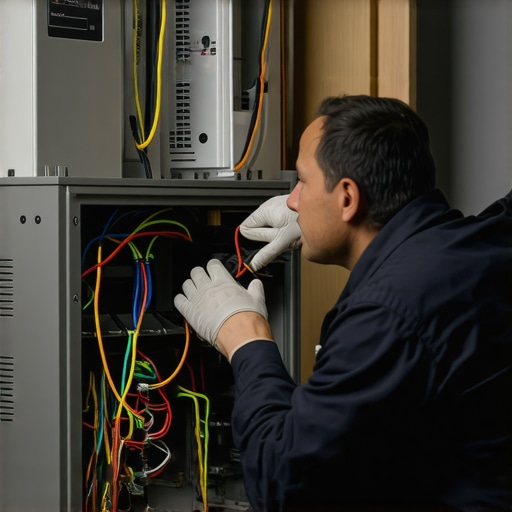
It was a cold winter night. My furnace suddenly sputtered and died, leaving my family shivering under blankets. That moment, I realized how crucial dependable HVAC service really is. I had trusted some local handyman, but the result was a costly, temporary fix that failed again just weeks later. That experience taught me a painful lesson: not all repair services are created equal. If you’ve ever faced a broken furnace or mini-split during those chilly months, you know how stressful it can be. Today, I want to share how finding the right experts can make all the difference in 2024. We’ll cover the essentials of reliable repair services, how to avoid common pitfalls, and what you should look for when choosing someone to keep your home comfortable all year round. So, if you’ve ever wondered whether your HVAC technician is truly qualified or just another scam artist, keep reading. I’ll help you navigate the maze of options and avoid costly mistakes that can leave you cold—or worse. Have you experienced a sudden HVAC failure with no idea who to call? You’re not alone. Many homeowners feel overwhelmed by the sheer number of options, especially when every technician claims to be the best. But here’s the truth: trusting the right professionals is the key to lasting comfort and peace of mind. I learned this the hard way early on, when I chose a cheap, unverified repair service that promised quick fixes but only caused more problems in the long run. That’s a mistake I won’t repeat, and I want to help you avoid it too. In this post, I’ll share proven tips and insights to ensure you get trustworthy service that lasts. Because when it comes to heating and cooling, reliability isn’t just a luxury—it’s a necessity. Want to know how to spot reputable HVAC experts before you hire them? Let’s dive into the details and start building your confidence in choosing the best for your home. Before we get into the practical steps, remember one thing: a well-maintained HVAC system can save you a lot of money and prevent emergencies. According to the Department of Energy, replacing or repairing a faulty system early can reduce energy bills by up to 30%. That’s why investing in trustworthy repair experts is a smart move for any homeowner aiming for comfort and efficiency. Ready to learn how to find those experts and avoid the pitfalls? Let’s go. And if you’ve already faced HVAC issues, don’t worry—you’re in the right place to get answers and peace of mind. Now, let’s explore how to identify the true pros who will keep your home warm and cozy for years to come.
Identify Certified Professionals Early
When your HVAC system fails unexpectedly, the first step is to verify the credentials of prospective repair experts. I once faced a freezing winter night where my furnace stopped working. I immediately checked online reviews and saw a local company with high ratings and proper licensing. I called them, and they arrived promptly, diagnosing and fixing the issue efficiently. Always look for technicians certified by recognized organizations and ensure they have valid licenses. This filter helps you avoid scams and guarantees quality service.
Ask the Right Questions During Your Search
During the initial call, ask about their experience with your specific system—be it a furnace or mini-split. For example, I inquired about their familiarity with ductless mini-split troubleshooting, which is crucial for quick repairs. They directed me to their specialized troubleshooting guide. Don’t hesitate to ask about their warranty policies, parts replacement procedures, and emergency services. Clear answers indicate professionalism and reliability.
Check for Transparent Pricing and Clear Policies
Before agreeing to any service, request a detailed estimate. I remember a time I was quoted a surprisingly low price, but upon completion, hidden charges appeared. To avoid this, get a written estimate and review it carefully. Also, read their privacy policy and service guarantees. Trustworthy companies are upfront about costs and have transparent policies, preventing surprise bills and building confidence.
Assess Their Response Time and Customer Support
Fast response times are vital, especially during cold emergencies. I called a company, and they assured me same-day service, which turned out to be true. Reliable experts prioritize emergency calls and communicate effectively. During my experience, I appreciated their follow-up calls to ensure the repair held up. Excellent customer support reflects a company’s commitment to quality and customer satisfaction. Don’t settle for slow or unresponsive services.
Utilize Expert Resources and Maintenance Tips
Once your system is repaired, ask for maintenance tips to prolong its lifespan. I was given a comprehensive maintenance guide, which helped me avoid future breakdowns. Reputable technicians often provide ongoing support and educational resources, empowering you to maintain your HVAC system efficiently. This proactive approach can save you money and ensure consistent comfort.
Leverage Trusted Local Services for Long-Term Results
Finally, always choose local, well-reviewed HVAC companies with proven track records. I found that trusted local experts are more accountable and familiar with regional climate challenges. Checking online reviews and asking for references can help you identify these reliable partners. If you’re unsure where to start, visit trusted repair results for guidance on selecting reputable services in 2024. This diligence ensures your home stays warm and comfortable without recurring issues.
Many homeowners operate under a common myth: that all HVAC repair services are essentially the same, and choosing the cheapest option guarantees savings. However, this misconception can lead to costly mistakes and recurring issues. Let’s dig deeper into what most people overlook when it comes to HVAC repairs and how to avoid falling into these traps.
Why Cheap Isn’t Always Cheerful in HVAC Repairs
It’s tempting to opt for the lowest-priced repair service, especially in urgent situations. But in my experience, skimping on quality often results in short-term fixes that fail quickly, forcing you to pay more in the long run. Reputable technicians who are properly certified and experienced will charge a fair price, reflecting their expertise and the quality of parts used. You can learn more about common furnace repair myths debunked to understand why cutting corners is risky.
Advanced Mistake: Overlooking the Nuances of System Compatibility
One often overlooked nuance is ensuring that repairs and replacements are compatible with your existing system. For example, installing a mini-split in a system not designed for it can cause efficiency losses and additional wear. A common mistake is assuming that any technician can handle mini-split troubleshooting without specialized training. For complex systems, calling a specialist who understands the intricacies—like the mini-split troubleshooting guide—is essential to avoid costly errors.
What about Emergency Response Times?
Many homeowners don’t realize the importance of response time during HVAC emergencies. A delay can lead to frozen pipes or system failures that are more expensive to repair. Reliable companies prioritize rapid response, and their customer support is a good indicator of their professionalism. Don’t be fooled by companies that promise low prices but have slow or unresponsive service. Quick, effective repairs are an investment in your home’s comfort and safety.
Have you ever fallen into this trap? Let me know in the comments. Remember, the true cost of HVAC repair isn’t just in the bill but in the quality and longevity of the service. Being aware of these hidden nuances helps you make smarter choices and avoid unnecessary expenses. When in doubt, consulting trusted experts and verifying their credentials and experience is always a wise move. For more detailed insights, check out the trusted repair results to ensure your home stays comfortable for years to come.
Keep It Running with the Right Tools
Maintaining your HVAC system over time requires more than just basic knowledge; it demands the right equipment. I personally rely on a few essential tools that have proven invaluable in diagnosing and fixing issues efficiently. One of my favorites is the digital manifold gauge set, which allows me to accurately measure refrigerant pressures. This tool is crucial when troubleshooting mini-split systems, as it helps prevent overcharging or undercharging, ultimately ensuring optimal performance. I also swear by a high-quality multimeter. It’s not just for electrical troubleshooting; I use it to verify system power and identify faulty sensors or thermostats. For example, when diagnosing a furnace, checking voltage and continuity with my multimeter can save hours of guesswork.
In addition to hardware, I recommend specific software that enhances diagnostic accuracy. HVAC-specific apps like the HVACR Toolkit provide quick access to wiring diagrams, troubleshooting guides, and service tips right from my phone. This integration of digital resources streamlines the repair process and reduces the risk of mistakes. As technology advances, I believe these tools will become even more integrated with smart diagnostics, predicting failures before they happen and guiding repairs seamlessly.
For ongoing maintenance, I use a specialized coil cleaner spray and a microfiber towel to keep heat exchangers and evaporator coils spotless. Clean coils improve efficiency and reduce strain on the system, extending its lifespan. Remember, regular maintenance isn’t just about fixing problems; it’s about preventing them. I schedule bi-annual inspections and use these tools to perform routine checks myself, saving money and avoiding emergencies.
Looking ahead, I predict that remote diagnostics and AI-powered troubleshooting will revolutionize HVAC maintenance. Companies are already experimenting with IoT sensors that monitor system health in real-time, alerting homeowners or technicians to issues before they escalate. This trend will make DIY maintenance more accessible and reliable, but it also underscores the importance of having the right foundational tools and knowledge to interpret data accurately.
How do I maintain my HVAC tools over time? I make sure to calibrate my gauges annually and replace worn-out parts like hoses and filters to keep everything functioning correctly. Proper maintenance of your tools ensures they provide accurate readings and reliable performance for years to come. I encourage you to try out a digital manifold gauge set and see how it transforms your troubleshooting capabilities. For more detailed advice on optimizing your HVAC repairs, visit this resource.
The Hardest Lesson I Learned About HVAC Repairs
One of the toughest realizations I faced was that rushing into a repair without verifying credentials often led to repeated failures and wasted money. It taught me to prioritize certified professionals who stand behind their work, saving me headaches and expenses down the line.
How Overconfidence in Cheap Fixes Cost Me
Initially, I believed that opting for the lowest-priced service would be a win. Instead, I learned that such shortcuts typically result in short-lived solutions, forcing more costly repairs later. Trusting quality over price is a lesson that’s saved me hundreds of dollars.
The Moment I Understood the Power of Proper Tools
Using the right diagnostic tools, like a digital manifold gauge set, dramatically improved my ability to identify issues accurately. This not only speeds up repairs but also prevents accidental damage, making me a more effective DIY enthusiast and a smarter homeowner.
Why System Compatibility Is a Game Changer
Installing or repairing equipment without understanding how it fits with my existing system caused inefficiencies and increased energy bills. Learning to match parts and systems properly has made my home more comfortable and my HVAC system more reliable.
When I Realized Response Time Is Critical
Fast emergency responses from trusted technicians prevented my systems from suffering severe damage during cold snaps. Recognizing that quick action is a vital part of reliable service changed how I choose HVAC providers today.

Your story really hits home for me, especially the part about trusting unverified repair services. I experienced a similar situation last winter when my heater stopped working unexpectedly. I thought I found a good deal with a local technician, but the repair was shoddy, and I ended up with more problems later. It made me realize how vital it is to check credentials and read reviews before hiring anyone. I also appreciate your tips on asking the right questions during the search—those are often overlooked but so important for peace of mind. One thing I’ve learned is to prioritize companies that offer transparent pricing and timely response, especially during cold snaps when every hour counts. Have you found that requesting a written estimate helps prevent hidden charges? I’d love to hear if others have tips for quickly verifying the credibility of HVAC professionals, as it can be overwhelming with so many options out there.
Reading your experience brought back memories of my own struggles with unreliable HVAC services. I used to just go for the cheapest options, but I quickly learned that cutting corners can lead to bigger headaches and expenses down the line. These days, I prioritize certifications and proven track records when choosing a technician. One approach I’ve found effective is asking for references or checking online reviews more than once—especially on independent platforms. Also, requesting a detailed, written estimate helps set clear expectations and prevents unexpected charges, which is crucial during emergencies when time is limited. Have you noticed that companies with transparent pricing tend to be more professional overall? It makes me wonder, what additional questions do you think homeowners should ask to weed out the less trustworthy providers? It’s such a huge market, and making the right choice can really save stress and money in the long run.