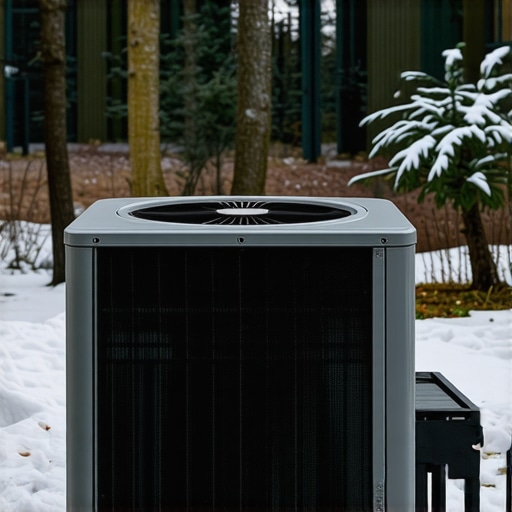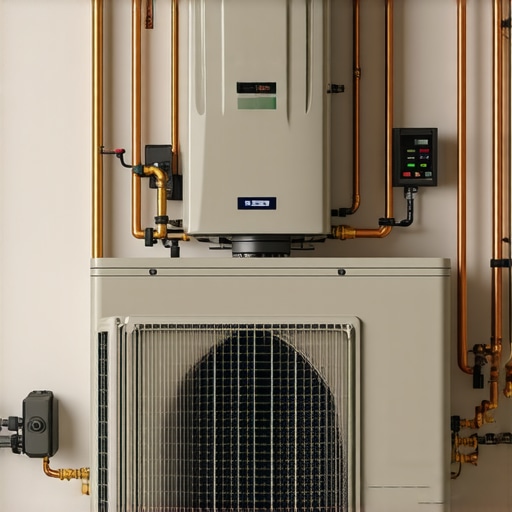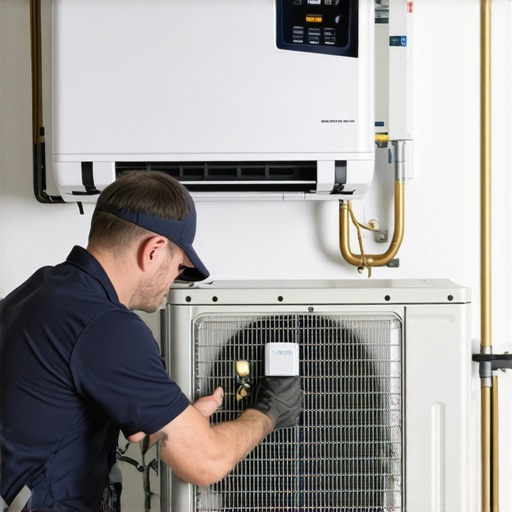
Ever had that moment when your heat pump or mini-split suddenly stops working just when you need it most? Last winter, mine gave out on a freezing night. I was scrambling, freezing, and wishing I had paid more attention to its maintenance. That lightbulb moment made me realize how crucial proactive upkeep is—especially with 2024 promising more unpredictable weather swings. If you’ve faced similar frustrations, you’re not alone. Today, I’m sharing tried-and-true tips that will help you keep your HVAC systems running smoothly, saving you money and discomfort. We’ll dive into simple, effective maintenance strategies that even a busy homeowner can handle. Trust me, a little effort now prevents major headaches later.
Why Proper Maintenance Matters More Than Ever in 2024
With climate patterns becoming more erratic, your heat pump or mini-split needs to be in top shape to handle the workload. Regular maintenance not only extends the lifespan of your equipment but also boosts efficiency, reducing energy bills. According to the Department of Energy, well-maintained HVAC systems can operate 15% more efficiently, slashing your utility costs. I learned this the hard way early in my DIY journey—mistakenly skipping filter changes and neglecting coil cleaning led to a sudden breakdown last winter. That mistake cost me a hefty repair bill and weeks without heat. Now, I prioritize maintenance, and my system runs reliably even during cold snaps. If you’re wondering whether maintenance is worth the effort, I promise it is. Ready to learn how to keep your system in prime condition? Let’s get started.
Is Maintenance Really Worth the Hype Do I Need to Hire a Pro?
Initially, I thought I could handle basic upkeep myself, but I made a costly mistake early on—ignoring the importance of professional inspections. While routine filter changes and coil cleaning are manageable, some issues require expert eyes. For comprehensive guidance, check out the ultimate guide to heat pump maintenance. Don’t risk voiding warranties or causing more damage by neglecting professional tune-ups. I’ve learned that a proactive approach, combining DIY tasks with professional inspections, guarantees longer system life and better performance. Curious if your system needs a tune-up? You can find reliable repairs and assessments at trusted repair experts.
Now, let’s move into the practical steps that will keep your HVAC system humming through 2024 and beyond—because a little maintenance goes a long way in ensuring lasting comfort.
}}#assistant {
Change Your Filters Regularly
Start with the basics—filter replacement. I once neglected this step, and my system’s airflow was severely restricted, causing it to work harder and consume more energy. I learned that swapping out filters every 1-3 months, especially during peak usage, keeps airflow optimal and prevents dust buildup. To do it right, turn off the unit, locate the filter compartment, and remove the old filter. Install a new, high-quality filter with the correct size and rating. This simple step can improve efficiency by up to 15%, saving you money and extending your system’s lifespan. For detailed guidance, check out the ultimate guide to heat pump maintenance.
Clean Coils to Boost Efficiency
Dirty coils are like clogged arteries—they hinder performance. I once ignored coil cleaning until my system froze during a cold snap. Using a soft brush and coil cleaner, I carefully removed dirt and debris from the evaporator and condenser coils. Make sure to turn off power before cleaning and avoid damaging fins. Regular coil maintenance allows heat transfer to occur efficiently, reducing energy costs. If you’re uncomfortable, professional cleaners have specialized tools, but for DIY, a gentle brush and coil cleaner are enough. This step is vital for ensuring your system runs efficiently all year round. For more detailed instructions, visit heat pump maintenance.
Inspect and Seal Ductwork
Leaky ducts can leak your hard-earned dollars. I once discovered significant air loss through poorly sealed ducts, which made my system seem less effective. To fix this, I used foil tape and mastic sealant to patch leaks and gaps. This process involves inspecting accessible ductwork, sealing any visible leaks, and ensuring insulation is intact. Properly sealed ducts ensure that conditioned air reaches its destination without loss, improving comfort and efficiency. If you notice inconsistent heating or cooling, duct leaks could be the culprit. For complex duct systems, professional assessment might be necessary. Learn more at hvac repair secrets.
Schedule Professional Maintenance
While DIY tasks are essential, professional inspections catch issues I might miss. I once skipped annual tune-ups, which led to a costly breakdown. A certified technician will check refrigerant levels, inspect electrical connections, and test system controls. Regular professional maintenance can improve system longevity and ensure optimal operation. I recommend scheduling an inspection before the heating season and again in spring for cooling systems. Trustworthy service providers can be found via contact us. This proactive step saves money and prevents unexpected failures during cold snaps or heatwaves.
Many homeowners operate under assumptions about furnace, heat pump, and HVAC repairs that can lead to costly mistakes. As an HVAC enthusiast who’s spent years troubleshooting these systems, I’ve uncovered some of the most common misconceptions that trap even experienced DIYers and professionals alike. Let’s dig deeper into these pitfalls so you can avoid them and ensure your home stays comfortable and efficient.
Why Relying Solely on DIY Fixes Can Backfire
It’s tempting to think that replacing a filter or cleaning coils is enough for maintenance, but many overlook the complexity of modern HVAC systems. For instance, a common myth is that refrigerant levels don’t need checking unless there’s an obvious problem. Actually, low refrigerant can silently reduce efficiency and lead to compressor damage. Professional assessments often include refrigerant diagnostics, which are crucial for longevity. Skipping these inspections may seem economical but can result in bigger expenses down the line. For more insights on what’s worth DIY and when to call a pro, visit HVAC repair secrets.
Beware of the Myth That All Repairs Are Equal
Not all HVAC repairs are created equal. A common mistake is assuming that a quick fix, like replacing a thermostat, will resolve deeper issues. Sometimes, symptoms like uneven heating or cooling are caused by duct leaks, dirty coils, or faulty compressors, which require comprehensive diagnosis. Additionally, some homeowners believe that repair parts from local hardware stores are as good as OEM or professional-grade components. This can compromise system reliability. Investing in quality repairs and trusting certified technicians, as discussed in HVAC repair solutions, is a smarter long-term choice.
How Many Don’t Recognize the Nuance in System Compatibility
One often overlooked nuance is the importance of system compatibility. For example, installing a heat pump that isn’t properly matched to your home’s insulation or size can lead to inefficient operation and increased wear. Similarly, some believe that any filter will do, but using the wrong MERV rating can restrict airflow or damage the blower motor. Understanding these subtleties comes with experience and technical knowledge, which is why consulting with professionals is recommended. To learn more about system compatibility, check out heat pump maintenance guide.
Have you ever fallen into this trap? Let me know in the comments. Staying informed and cautious can save you hundreds of dollars and extend the lifespan of your HVAC system. Remember, a little expertise goes a long way in maintaining lasting home comfort.
Keeping your HVAC system, whether it’s a furnace, heat pump, or mini-split, running smoothly over time requires the right tools and a strategic approach. From personal experience, I’ve found that investing in specific equipment can make all the difference in diagnosing issues early and performing effective maintenance. Today, I want to share the tools I personally recommend and how I use them to ensure my systems stay reliable year-round.
Invest in a High-Quality Digital Multimeter
A digital multimeter is indispensable for diagnosing electrical components within your HVAC system. I personally prefer a model like the Fluke 117 because of its precision and durability. It helps me quickly check voltage, current, and resistance—crucial for ensuring electrical connections are sound and components like thermostats or contactors work properly. Regular use of a multimeter also prevents small electrical issues from snowballing into costly repairs, saving you money and hassle in the long run.
Get a Reliable Refrigerant Gauge Set
For heat pumps and central ACs, understanding refrigerant pressure is key. I use a professional-grade gauge set from Yellow Jacket, which allows me to monitor refrigerant levels accurately. Proper refrigerant charge directly impacts efficiency and longevity. Even if you’re a DIY enthusiast, I recommend having a gauge set on hand—just remember, handling refrigerant requires certification in many regions, so when in doubt, consult a professional. Proper refrigerant management is expected to become even more vital as systems evolve to meet stricter environmental standards.
Use a Coil Cleaning Brush and Fins Comb
Keeping coils clean enhances heat transfer and prevents system strain. I use a soft coil cleaning brush and a fins comb to gently remove dirt and straighten bent fins. This simple, low-cost maintenance step improves airflow and efficiency dramatically. Regular coil cleaning, especially before peak seasons, ensures your system performs at its best and extends its lifespan.
Consider Smart Thermostats and Monitoring Apps
Smart thermostats like the Nest Learning Thermostat or Ecobee not only optimize comfort but also provide diagnostic data. I use these devices to monitor system performance and receive alerts about potential issues—such as temperature inconsistencies or power outages—that may indicate underlying problems. Coupling these with HVAC-specific apps helps me keep tabs on my systems remotely, making maintenance proactive rather than reactive. As home automation advances, integrating smart controls will become even more critical for long-term efficiency.
Future Trends in HVAC Maintenance Tools
Looking ahead, I predict that AI-powered diagnostic tools and IoT sensors will revolutionize HVAC maintenance. Imagine systems that can self-diagnose issues and send alerts before a breakdown occurs. Already, some manufacturers are experimenting with predictive analytics, and I expect this trend to accelerate in 2024 and beyond. Adopting these technologies now can give you a significant edge in maintaining your home’s comfort and energy efficiency.
How Do I Maintain My HVAC System Over Time?
To keep your HVAC system functioning reliably, schedule regular professional inspections, at least biannually, and combine them with your DIY efforts. Use the right tools—like a multimeter and refrigerant gauges—to perform basic diagnostics and maintenance between visits. Regularly cleaning coils and inspecting ductwork seals also play vital roles. Incorporating smart thermostats and monitoring apps can provide ongoing performance insights, helping you catch issues early. Remember, being proactive with maintenance tools and strategies ensures your system delivers efficient, trouble-free service for years to come. For expert guidance or to schedule a professional check-up, visit our contact page.
The Hardest Lesson I Learned About furnace repair, heat pump, HVAC repair, mini-split
One of my biggest surprises was realizing that not all DIY maintenance is sufficient to keep my HVAC system in top shape. I once tried to handle refrigerant levels myself, only to learn that specialized tools and certifications are necessary. That lightbulb moment taught me to trust professionals for complex issues, saving me money and frustration in the long run.
3 Myths About furnace repair, heat pump, HVAC repair, mini-split That Held Me Back
I used to believe that filters only needed changing once a year and that duct leaks weren’t worth inspecting. Busting these myths changed everything. Regular filter changes and duct sealing made my system more efficient and reliable, proving that small steps lead to big savings.
What Experts Won’t Tell You About furnace repair, heat pump, HVAC repair, mini-split
Many professionals keep quiet about the importance of system compatibility. Installing a heat pump without considering your home’s insulation or size can cause more harm than good. Educating myself on these nuances helped me make smarter choices and avoid costly replacements.
Curated Recommendations for HVAC Success
My essential toolkit includes a high-quality digital multimeter like the Fluke 117, which helps me diagnose electrical issues accurately—something I trust deeply after years of troubleshooting. I also rely on a professional-grade refrigerant gauge set from Yellow Jacket; understanding refrigerant pressure is vital for efficiency. For cleaning coils, a soft coil brush and fins comb are simple yet effective tools that keep airflow optimal. Lastly, smart thermostats like Nest and Ecobee provide ongoing system monitoring, alerting me to issues before they become disasters. These tools have transformed my maintenance routine, and I recommend them highly for anyone serious about HVAC care.
Ignite Your Confidence and Take Action Today
Maintaining your HVAC system with a mix of DIY and professional help isn’t just practical—it’s empowering. When you understand the tools and lessons I’ve shared, you’re better equipped to ensure your home stays comfortable year-round. Remember, a little proactive effort now can save you from costly repairs later. So, why not start today? Your system—and your wallet—will thank you.
Have you ever struggled with diagnosing or fixing a tricky HVAC problem? Share your experiences below—I’d love to hear how you’ve navigated your home comfort challenges!