Last summer, I found myself drenched in sweat, standing in a room that felt more like a sauna than a living space. My mini-split, which I had trusted to keep my home cool and comfortable, suddenly stopped cooling. After an initial panic and some quick fixes that didn’t work, I realized I was in the same boat as many homeowners facing unexpected HVAC hiccups. That’s when I had my lightbulb moment: understanding reliable repair support isn’t just a luxury—it’s essential for lasting home comfort.
Don’t Let a Break Down Catch You Off Guard
Ever experienced that sinking feeling when your heat pump or mini-split suddenly goes silent in the middle of a heatwave or a cold snap? It’s frustrating, uncomfortable, and sometimes downright stressful. These systems are designed to be dependable, but they can develop issues that, if not properly addressed, lead to more costly repairs or complete replacements. My personal experience with trying to fix my mini-split on my own taught me a valuable lesson: knowing when and how to call in trusted experts can make all the difference.
What makes this especially tricky is that many repairs are misunderstood or delayed because homeowners are unsure about the real causes of system failures or fear being overcharged. According to a study by the U.S. Department of Energy, regular maintenance and timely repairs can extend the lifespan of HVAC systems by years, saving homeowners significant money over time. That’s why I want to share insights on how to navigate the repair process confidently and avoid common pitfalls.
Have you ever hesitated to seek professional help because you weren’t sure if it was a minor glitch or something more serious? If so, you’re not alone. That worry can often lead to bigger problems down the line. The key is understanding the signs of system trouble, the importance of reliable repair services, and how to choose trusted experts who can restore your comfort quickly and effectively.
In the next sections, we’ll explore common issues that might be affecting your mini-split or heat pump, how to recognize the early warning signs, and reasons why trusting experienced technicians is the best move for your home’s long-term comfort. Ready to learn the secrets behind lasting HVAC performance? Let’s dive in.
Identify the Signs Before Calling a Pro
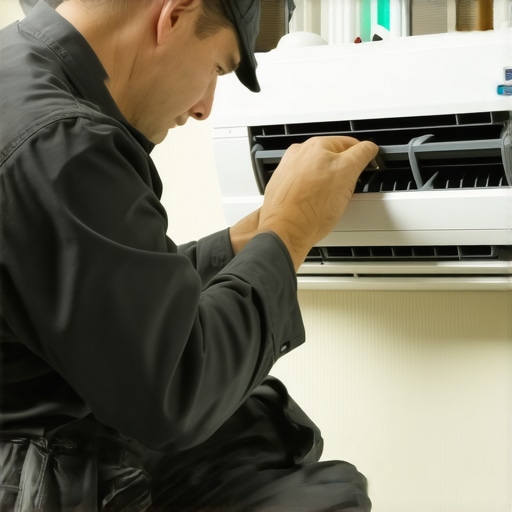
Start by inspecting your system for obvious issues like unusual noises, foul odors, or inconsistent cooling and heating. I remember once my mini-split suddenly stopped cooling on a scorching day. Instead of panicking, I checked the display panel, which blinked an error code. This small step saved me hours of guesswork and guided my repair process.
Perform Basic Troubleshooting You Can Handle
Next, try simple fixes such as checking the thermostat settings, replacing dirty filters, or resetting the system. For instance, I replaced a clogged filter that caused poor airflow and improved performance instantly. Always turn off power before opening panels to avoid shocks, and document your steps in case you need to explain the issue later to a technician.
Diagnose Common Mini-Split and Heat Pump Issues
Listen for inconsistent operation, frozen coils, or leaks. In my experience, frozen coils often indicate low refrigerant or dirty coils. If you see ice buildup, turn off the system and revisit your filters and airflow. For more complex problems, consult troubleshooting guides like this mini-split troubleshooting resource to determine if professional help is necessary.
Know When to Call the Experts
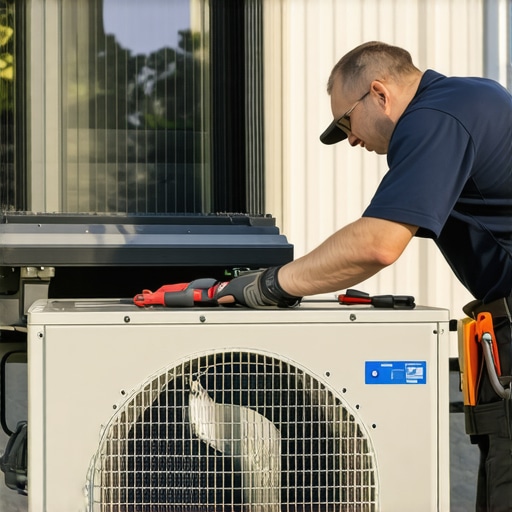
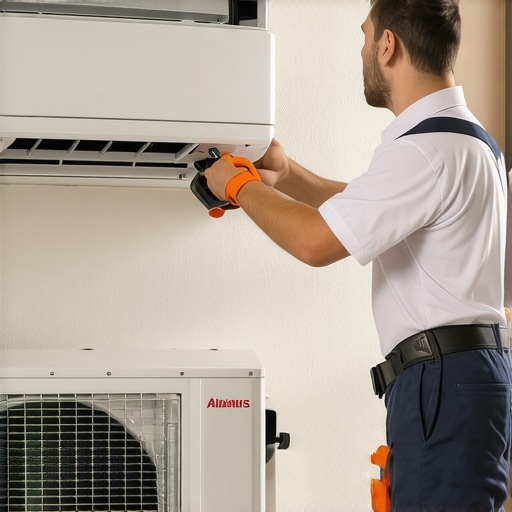
If troubleshooting doesn’t resolve the issue, it’s time to contact professionals. Don’t risk messing with refrigerant or electrical components without proper training. Trustworthy technicians use diagnostic tools to pinpoint problems precisely, like detecting refrigerant leaks or compressor failures. To find reliable service, visit this trusted contact page. Remember, timely repairs prevent minor issues from turning into costly replacements.
Request Transparent, Honest Estimates
Avoid surprise costs by requesting detailed estimates upfront. Reputable technicians will explain what needs fixing and why, making you a knowledgeable homeowner. When I had my heat pump serviced, I asked for a breakdown of parts and labor costs, ensuring no hidden fees. This transparency fosters trust and helps you plan repair budgets better.
Create a Maintenance Schedule for Prevention
Prevent future breakdowns by scheduling regular maintenance, such as filter replacements, coil cleaning, and system checks. I set quarterly reminders, which reduced emergency calls and extended my HVAC system’s lifespan. Implementing routine checks ensures efficiency and saves money over time. Learn more about maintenance routines at this essential guide.
Document Repairs for Future Reference
Keep records of services performed, parts replaced, and technician contacts. This history can help diagnose recurring problems and inform future maintenance. When my system acted up again after a year, consulting my records helped identify a pattern, leading to a more permanent fix.
Invest in Professional Maintenance When Needed
Ultimately, some repairs are best left to experts. Routine checkups by trusted technicians ensure your system runs at peak efficiency year-round. For reliable service, visit this trusted provider. Remember, proactive maintenance is an investment that pays off in comfort and savings.
Many homeowners operate under misconceptions when it comes to heat pump, mini-split, and furnace repairs, often leading to costly mistakes. A prevalent myth is that all repairs are equally simple and DIY-friendly; in reality, advanced diagnostics and handling refrigerants require specialized expertise. Rushing into repairs without understanding system nuances can cause further damage, reducing efficiency and lifespan. For example, some believe that low refrigerant levels always indicate a leak, but sometimes the cause is faulty sensors or compressor issues—things only a trained technician can accurately diagnose, as explained in the detailed troubleshooting guide at this resource.
Another misconception is that replacing filters or resetting thermostats fixes most problems; while these are good maintenance habits, they won’t address issues like compressor failures or electrical faults, which are more complex. Homeowners often overlook the importance of professional inspections that identify early signs of trouble before breakdowns occur, supporting the findings of experts at this trusted service.
A common trap is assuming system problems are due to age alone, leading to premature replacements. However, many issues are repairable with the right expertise, saving significant money and resources. Recognizing when a repair is truly necessary versus when a replacement is the better choice can be nuanced; for this reason, trustworthy technicians employ diagnostic tools to make accurate judgments, as outlined in our comprehensive repair results guide.
Advanced homeowners ask: how can I better understand the hidden issues affecting my HVAC system to prevent expensive surprises? The key lies in understanding the system’s intricacies—like refrigerant flow, electrical wiring, and compressor function—that often escape glance-based assessments. For in-depth insights, you might explore this in-depth guide.
Have you ever fallen into this trap? Let me know in the comments.
Being aware of these misconceptions and nuances empowers you to make informed decisions, ensuring your HVAC systems receive the correct repairs promptly. Trusting licensed professionals for diagnostics and repairs—like those from trusted service providers—can save your system and your wallet from unnecessary expenses. Remember, genuine expertise is an investment that guarantees comfort and long-term efficiency.
Maintaining your heat pump, mini-split, or furnace isn’t just about quick fixes—it’s about building a proactive approach that ensures consistent comfort and efficiency over time. One of my top recommendations is investing in a reliable digital manifold gauge set, such as the -Robinair AR2500C pressure/temperature tester. I personally use this device because of its precision in diagnosing refrigerant pressures and identifying leaks early, preventing costly breakdowns. Additionally, coupling this with a digital leak detector like the -CS Supreme refrigerant leak detector allows for quick, non-invasive detection of refrigerant loss, which is often a culprit for efficiency drops.
Beyond tools, regular software-based monitoring has become a game-changer. Smart thermostats, for example, learn your routines and flag irregularities—think these advanced systems—allowing you to address issues before they escalate. I set up notifications on my app to alert me when system performance dips below optimal parameters, giving me peace of mind and less time troubleshooting.
On the service side, maintaining a detailed log of repairs and tune-ups can help identify recurring issues, enabling targeted interventions. Keep digital records of service dates, parts replaced, and technician notes—something I do with a dedicated HVAC maintenance app. Such records are invaluable when technicians perform diagnostics since they reveal patterns or persistent symptoms that might otherwise be overlooked.
Looking ahead, I predict that emerging trends like AI-driven diagnostics and IoT-connected HVAC components will redefine maintenance routines. These advancements will offer even more precise, predictive insights—imagine your system alerting you of impending compressor failure days before it happens! To stay ahead, start integrating smart monitoring tools today and stay connected with trusted technicians for routine checkups.
How do I keep my HVAC system functioning smoothly for years?
The key is a combination of regular maintenance, smart diagnostics, and trusted expert advice. Using precision tools like refrigerant leak detectors and digital gauges helps you understand your system’s health, while smart thermostats and monitoring apps provide continuous oversight. Remember, proactive care reduces the risk of unexpected failures and extends the lifespan of your equipment. For detailed maintenance routines, I recommend reviewing the ultimate guide to heat pump maintenance. Don’t wait for a breakdown—try implementing one of these advanced tools or methods today and enjoy long-lasting comfort. If you need expert assistance, you can always reach out here for professional support.
What I Wish Someone Told Me Before Starting Repairs
- Initially, I believed that all issues with HVAC systems could be fixed with basic DIY methods. But I learned the hard way that complex refrigerant and electrical components demand professional expertise, saving me from costly mistakes.
- My biggest lightbulb moment was realizing that trusting in quick fixes without proper diagnostics can lead to recurring problems. Investing in accurate tools and experienced technicians yields far better results.
- Understanding system nuances—like refrigerant flow and electrical wiring—changed my approach from reactive to proactive, helping me prevent breakdowns before they happen.
Tools and Resources That Pushed My Skills Forward
- -Robinair AR2500C pressure/temperature tester: I trust this for precise refrigerant diagnostics, catching leaks early and avoiding bigger repairs.
- -CS Supreme refrigerant leak detector: This tool cực kỳ effective in detecting leaks non-invasively, saving time and money.
- Regularly checking this comprehensive maintenance guide keeps me updated on best practices, preventing small issues from escalating.
- Using smart thermostats and monitoring apps helps me spot irregularities early—making system management more efficient and less stressful.
Keep Moving Forward with Confidence
Your journey toward mastering HVAC maintenance is unique and rewarding. Embrace the learning curve, invest in trusted tools like those I rely on, and never underestimate the power of expert advice. The more you understand your system, the less you’ll fear unexpected breakdowns. Remember, proactive energy and care today pave the way for sustained comfort tomorrow. Why not start implementing these insights today and experience the difference yourself? And if questions pop up, I’m here—feel free to reach out for support. Your comfort is worth it!