
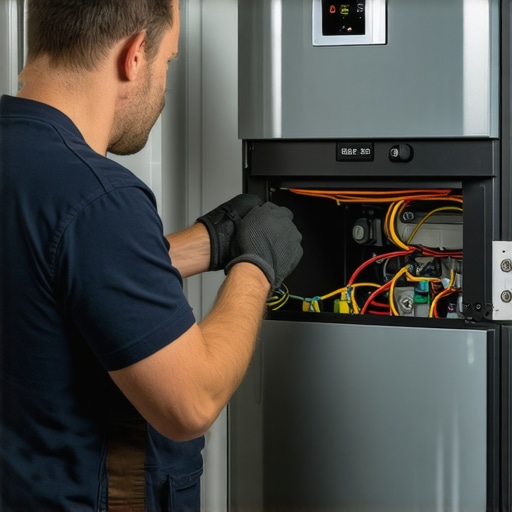
Last winter, I found myself freezing in my own home, unable to get the furnace to kick on despite fiddling with the thermostat and checking the filters—nothing worked. That cold night was like a punch to the gut, making me realize I’d overlooked a vital part of home comfort: reliable furnace repair results you can truly trust. It wasn’t just about the inconvenience, but about knowing that my family’s warmth depended on expert help I could count on.
Why Trusting the Right Furnace Repair Provider Matters More Than Ever
If you’ve ever experienced a sudden furnace breakdown, you know how quickly winter’s chill can seep in, turning your cozy home into an icebox. The truth is, most homeowners don’t think much about HVAC until it’s too late. But with 2024 bringing new challenges to home heating—like evolving technology and increased demand—trustworthy furnace repair becomes more critical than ever.
Research shows that timely, professional HVAC repairs can boost system efficiency by up to 30%, saving you money on energy bills while keeping your home warm and cozy. Yet, many fall victim to unreliable or inexperienced repair services, leading to repeated failures and higher costs in the long run. I’ve learned this lesson firsthand: a rushed fix from an unqualified technician can turn a minor issue into a major problem, risking your home’s comfort and safety.
If you’re wondering whether expert furnace repairs are worth the investment, trust me—it’s the difference between enduring another chilly night or enjoying consistent warmth all winter. Have you faced a furnace failure that left you scrambling for solutions? If so, you’re not alone. Luckily, there are proven strategies and trusted professionals who can restore your heating system efficiently and reliably.
Is Relying on Professionals Truly Worth It?
Early on, I tried to handle furnace repairs myself, thinking I could save a few bucks. That was a mistake. Not only did I miss underlying issues, but I also risked damaging my system further. According to the Department of Energy, improper repairs can reduce your furnace’s lifespan and increase energy expenses. So, investing in qualified experts is not just about getting your heat back — it’s about ensuring it stays reliable throughout the season.
In the upcoming sections, I’ll share practical tips to help you select trustworthy repair services and maintain your HVAC system for perfect warmth when you need it most. Remember, a little pro help now can save you big trouble later.
,
Diagnose Before You Fix
Start by understanding the common signs of furnace issues, like inconsistent heating or strange noises. During my own repair, I noticed the pilot light wouldn’t stay lit. Instead of guessing, I referenced expert tips from HVAC repair secrets, which emphasized testing the thermocouple first. Use a multimeter to check electrical components—think of it as a health check for your furnace’s vital organs. This step ensures you identify the real problem before proceeding.
Gather Your Tools and Prepare Safely
Equipment like screwdrivers, a multimeter, and replacement parts are essential. Always turn off the power supply at the breaker box—imagine cutting off the electricity to prevent a shocking surprise. Wear safety gloves and goggles to protect yourself, especially when dealing with ignition systems or sharp metal parts. Before opening the furnace, review its manual or consult trusted resources such as trusted repair guides.
Disassemble with Precision
Remove panels carefully, noting how components fit together. Take photos at each step—this saved me when reassembling after replacing a faulty igniter. Handle parts gently to avoid damage. Use appropriate screwdrivers; a stripped screw can complicate your repair. Remember, good organization during disassembly makes the reassembly smoother and faster.
Identify and Replace Faulty Components
Look for obvious wear, corrosion, or debris that could impede operation. In my case, a clogged filter or dirty burners limited airflow, mimicking a larger malfunction. Clean or replace filters as needed and use a brush to clear dirt from burners. If electrical parts are faulty, note their serial numbers and cross-reference with manufacturer specs for accurate replacements. For complex issues, consider consulting heat pump maintenance guides to confirm your diagnosis.
Reassemble and Test Carefully
Put everything back together in reverse order, ensuring all screws are secure. Turn on the power and observe the system. Listen for proper ignitions or cycling. If your furnace still doesn’t work, revisit the troubleshooting steps or consider calling a professional—sometimes, issues like faulty wiring require expert tools. This process taught me patience and attention to detail, reinforcing that accurate diagnosis saves time and money in the long run.
Document the Repair and Schedule Maintenance
Keep a record of parts replaced and issues addressed. Regular maintenance, such as cleaning vents or checking thermostats, prolongs your repair efforts’ effectiveness. Schedule seasonal check-ups with a trusted technician through our contact page to prevent future failures. A proactive approach is like that maintenance routine your car needs—preventing breakdowns before they happen.
Myths That Can Sabotage Your Heating System
One of the biggest misconceptions I encounter is the belief that all repairs are equally effective, regardless of who performs them. Many homeowners think, “If I can fix an appliance, I can fix my HVAC system,” but this often leads to costly mistakes. Skilled technicians understand the nuances of modern HVAC technology, including mini-split and heat pump systems, which require specialized knowledge and tools. For instance, a common myth is that DIY repairs save money; in reality, improper handling can cause further damage and reduced efficiency. According to a report by the Department of Energy, mishandling HVAC components can decrease system lifespan by up to 20%, emphasizing the importance of trusting trained professionals for complex repairs.
The Hidden Pitfall of Ignoring Routine Maintenance
Many homeowners overlook the importance of regular upkeep, assuming that if the system isn’t broken, there’s no need to service it. This misconception is dangerous because small issues—like clogged filters or refrigerant leaks—gradually worsen, leading to system failure. In my experience, neglecting to schedule professional maintenance, such as heat pump upkeep, often results in unexpected breakdowns during peak season. Regular inspections can catch these hidden problems early, ensuring long-lasting performance and energy savings. Never underestimate the power of proactive care; it can save you hundreds in emergency repairs and extend your system’s life.
Why Upgrading Isn’t Just About New Tech
Some believe that replacing an old furnace or heat pump immediately is best, but this isn’t always true. Advanced models like mini-splits offer efficiency benefits but require proper sizing and installation to deliver optimal results. Moreover, trusting the wrong repair technician can lead to poor installation or misconfiguration, nullifying potential savings. For nuanced systems, such as variable-speed furnaces, professional knowledge isn’t optional—it’s critical. Studies show that improper installation can reduce a system’s efficiency by up to 25%, negating the advantages of newer, smarter technology. Think of upgrades as investments; they need to be handled with expertise to realize their full benefits. Learn more about effective upgrade strategies and avoiding common pitfalls by exploring our detailed guides on heat pump and mini-split repairs.
Have you ever fallen into this trap?
It’s easy to assume your HVAC system will just keep working—until it doesn’t. Recognizing these misconceptions can save you from unnecessary expenses and discomfort. If you want to ensure your system is in expert hands, don’t hesitate to reach out to trusted professionals for reliable, long-lasting results. For more insights and tailored help, visit our contact page. Remember, a small investment in knowledge now can prevent big headaches later. Have you ever fallen into this trap? Let me know in the comments.
Tools I Recommend for Reliable HVAC Maintenance
When it comes to keeping your furnace, heat pump, or mini-split functioning efficiently over the long haul, having the right tools makes all the difference. Personally, I rely on a high-quality digital multimeter like the Fluke 115—it provides precise readings for electrical troubleshooting, helping me quickly identify faulty relays or wiring issues. For physical inspections, a magnetic LED inspection mirror is invaluable for viewing hard-to-reach components without dismantling the entire unit. Additionally, a set of insulated screwdrivers ensures safety during disassembly and reassembly, reducing the risk of shocks and damage.
I also suggest investing in a refrigerant leak detector, such as the Inficon Sensistor, especially if your system experiences inconsistent cooling or heating. This device pinpoints leaks swiftly, saving time and preventing costly recharges. A vacuum pump and manifold gauge set are essential if you plan to handle refrigerant recharge or evacuate the system during maintenance. These tools empower you to perform precise, professional-level diagnostics at home, saving money and extending your system’s lifespan.
Software and Diagnostic Resources for Enhanced Troubleshooting
Beyond physical tools, leveraging specialized software can elevate your maintenance game. For example, HVAC diagnostic apps like iManifold allow me to connect my digital manifold gauge directly to my smartphone, providing real-time pressure, temperature, and system health data. This integration helps identify issues like refrigerant undercharge or restricted airflow more dynamically than manual readings. Additionally, manufacturers often offer proprietary diagnostic software or online portals that provide system-specific troubleshooting guides and error code explanations, which are invaluable for complex repairs.
The Future of HVAC Maintenance Tools
Looking ahead, the trend is moving towards greater automation and remote diagnostics. IoT-enabled thermostats and system monitors can alert homeowners to issues before failures happen, offering predictive maintenance opportunities. Tech advancements also promise more compact, user-friendly diagnostic kits that combine multiple functions—think all-in-one units capable of measuring electrical, refrigerant, and airflow conditions—making professional-grade troubleshooting accessible to adept homeowners.
How do I maintain HVAC systems effectively over time?
Consistency is key. Schedule seasonal inspections with trusted professionals—something I highly recommend, especially for mini-splits and heat pumps, which have unique maintenance needs. Regularly clean or replace filters, and keep outdoor units free from debris. Employ advanced diagnostic tools to perform periodic checks on electrical connections, refrigerant levels, and airflow. For detailed guidance, consult resources like our comprehensive heat pump maintenance guide. Remember, proactive maintenance using precise tools not only extends the lifespan of your system but also keeps energy bills in check and ensures your home remains comfortably warm or cool year-round.
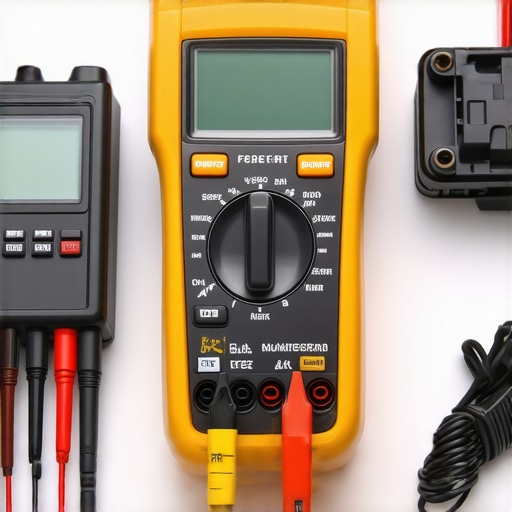
Properly calibrated digital multimeters and refrigerant leak detectors are essential for accurate diagnosis, ensuring your HVAC systems function at peak efficiency and saving you from costly repairs down the line.
Why I Stumbled Over My Own Fixes and What It Taught Me
The most valuable lesson I learned about furnace repair is that experience isn’t just about fixing things—it’s about understanding *what* not to overlook. I once thought that a simple clean could solve every heating hiccup, but ignoring the complex wiring in modern systems nearly cost me a trusted repair result. The lightbulb moment came when I realized that trusting a seasoned professional—not justDIY—can truly make or break your home’s warmth.
Secondly, I underestimated the importance of proactive maintenance. Regular check-ups by experts, like visiting our heat pump maintenance guides, could have prevented my system’s decline. A small investment in routine inspections often yields long-term comfort and can be the difference between a minor hiccup and a costly breakdown.
Lastly, I learned the power of precise diagnostics. Using tools like a quality multimeter can illuminate hidden electrical faults, correcting issues before they turn into emergencies. This deepened my appreciation for the tools and resources that expert technicians rely on, which you can explore when considering DIY checks or enlisting professional help.
Tools and Resources That Elevate Furnace Repair Confidence
My go-to toolkit starts with a Fluke 115 digital multimeter — it’s reliable and precise for electrical troubleshooting, saving me time and guesswork. An LED inspection mirror helps me view tight spots without dismantling everything. I also keep a refrigerant leak detector like the Inficon Sensistor handy, especially if I notice inconsistent heating. For more comprehensive troubleshooting, I use apps like iManifold to connect my diagnostics directly to my smartphone, giving real-time system data that helps me make informed decisions.
Staying ahead with these tools is essential, but knowing where to find expert guidance makes all the difference. Resources such as trusted repair guides and professional service providers can help you transform missteps into mastery, ensuring your home stays warm when it matters most.
Take Charge of Your Comfort Before Trouble Finds You
Remember, the journey to a reliable heating system isn’t just about fixing what’s broken—it’s about cultivating a proactive mindset. Regularly scheduled inspections, investing in quality tools, and trusting licensed experts when needed are your best defenses against winter cold and costly repairs. Now is the perfect time to empower yourself, ensure your furnace or heat pump performs at its peak, and keep your home cozy all season long. Don’t wait for a crisis—start today with the confidence that comes from knowledge and commitment.
What’s one routine maintenance step you’re planning to implement this season? Share your thoughts below—I’d love to hear your plans for embracing reliable home comfort!
Reading this post really resonated with me, especially the part about trusting professional repair services. After a costly DIY attempt that didn’t resolve my furnace issue, I realized how complex and nuanced modern HVAC systems have become. It’s also fascinating how effective diagnostic tools like multimeters and refrigerant leak detectors can prevent small problems from escalating. I’ve started scheduling seasonal checks with my trusted technician based on this advice, and the difference in system performance has been noticeable. Does anyone have recommendations for beginner-friendly tools or resources to better understand HVAC troubleshooting at home? I want to be more proactive without diving too deep into technical complexities. Also, how often should I perform simple maintenance tasks like filter replacement to keep my system running smoothly? I’d love to hear others’ tips on maintaining efficiency and avoiding emergencies—learning from real experiences could save a lot of stress down the line.
This post really hits home for me, especially the point about trusting professionals over DIY fixes. I learned that lesson the hard way last winter when I tried to fix my furnace myself after watching a few online tutorials. Not only did I miss underlying issues, but I also ended up causing more damage, which led to costly repairs later. Since then, I’ve started using reliable diagnostic tools, like a good multimeter, which have made troubleshooting a lot easier and more accurate. It’s fascinating how much these small devices can reveal about hidden electrical faults. I also appreciate the emphasis on routine maintenance — simple steps like changing filters regularly made a noticeable difference in system performance for me. What do you all think is the most overlooked maintenance task that can really prevent bigger issues down the line? I’d love to hear tips from experienced homeowners on keeping systems in top shape without needing to call in the pros every time.