The 2026 Energy Wall: Why Your Old Unit is a Financial Time Bomb
Listen, I’ve spent thirty years crawling through fiberglass-filled attics and dodging angry wasps on rooftops, and I’m telling you right now: the game is changing. By 2026, the cost of keeping a drafty, inefficient house comfortable is going to double if you’re still relying on old-school tech. We aren’t just talking about a price hike at the utility company; we are talking about a total shift in the thermodynamic landscape. My old mentor used to scream at me, his face turning the color of a fresh R-22 jug, ‘You can’t heat what you can’t touch!’ He was talking about the boundary layer of air on a heat exchanger, but the logic applies to your whole house. If you aren’t integrating solar thermal and high-mass distribution, you’re just throwing money into the wind. This isn’t some sales-tech pitch for a shiny new box with a 10-year warranty that the company won’t honor anyway. This is about physics. We are looking at low-GWP refrigerant retrofits and the death of R-410A, which means the juice—that’s what we call refrigerant—is getting more expensive by the day. If you want to survive the 2026 billing cycle, you need to understand how to marry solar energy with your existing mechanical systems.
“Design heating and cooling loads shall be determined in accordance with ANSI/ACCA Manual J.” – ACCA Manual J Requirement
1. Hydronic Synergy: Marrying Solar Thermal with Radiant Floor Heating Installation
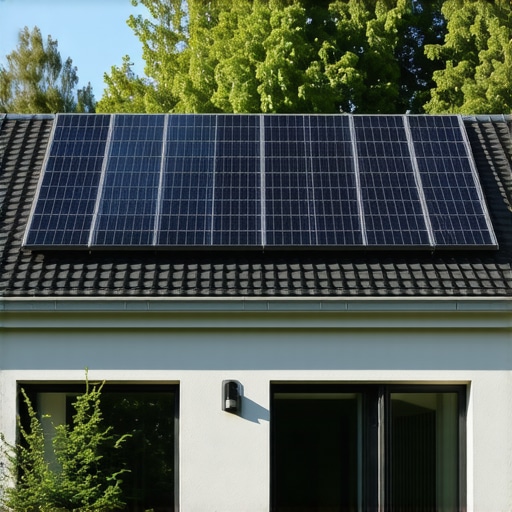
In the cold North, air is a terrible medium for moving heat. It’s thin, it leaks, and it loses its energy the second it hits a cold window. Water, however, is a beast. When we talk about radiant floor heating installation, we are talking about turning your entire floor into a giant thermal battery. But here is the 2026 tactic: you don’t use a gas boiler as your primary source. You integrate solar thermal collectors to pre-heat the fluid in your hydronic heating systems. By the time that water reaches your backup heat source, it’s already 110°F thanks to the sun. This reduces the delta T (temperature difference) your boiler or heat pump has to overcome. If you’re currently on oil or expensive electric, looking into propane conversion services as a secondary backup can provide a much cleaner, more reliable burn when the sun isn’t shining. I’ve seen systems where the solar array handles 70% of the load, leaving the mechanical plant to just do the heavy lifting during a polar vortex. This isn’t magic; it’s sensible heat storage. When the sparky finishes the wiring, you have a system that sips energy instead of gulping it.
2. The Airflow Manifesto: HVAC Duct Sealing and Energy Recovery Ventilators
You can have a 25 SEER unit, but if your ducts are leakier than a screen door on a submarine, it doesn’t matter. This is where the tin knocker skills come in. HVAC duct sealing is the most underrated ‘repair’ in the industry. I’m talking about getting in there with ‘Pookie’—that’s the gray mastic sealant that stays on your clothes forever—and sealing every transverse joint and longitudinal seam. If your static pressure is too high because of restricted, leaky ducts, your blower motor is going to scream until it dies. Once the house is tight, you can’t just let the air get stagnant. That’s how you get ‘sick building syndrome.’ Enter energy recovery ventilators (ERVs). These units are the lungs of the modern home. They swap out stale indoor air for fresh outdoor air, but here’s the kicker: they use a heat exchanger to transfer the energy. In the winter, the outgoing warm air pre-heats the incoming frozen air. It’s a thermodynamic cheat code. I’ve followed behind too many sales-techs who tried to sell a bigger furnace when all the customer needed was a bucket of pookie and an ERV to manage the latent heat load.
“Ventilation system design shall provide for the protection of the building fabric from the effects of condensation and the maintenance of indoor air quality.” – ASHRAE Standard 62.1
3. Advanced Control Logic: Relay Services and Hospital HVAC Zoning
If you have a 3,000-square-foot house and you’re heating the guest room to 72°F when nobody has slept in there since the Bush administration, you’re failing. We are now taking hospital HVAC zoning techniques and bringing them to the residential level. This involves using modulating dampers and sophisticated relay services to direct airflow only where it’s needed based on pressure differentials and occupancy. It’s about precision. If the master suite needs heat, the system closes down the dampers to the kitchen and living room, increasing the static pressure. A variable-speed blower then adjusts its RPM to maintain the correct CFM (cubic feet per minute) without blowing the ducts apart. This level of control often requires a thermocouple replacement or upgrade to more sensitive thermopile arrays in older backup systems to ensure the pilot or burners are firing with 100% reliability. If your system is hunting for the right temp and constantly ‘short cycling,’ you’re killing the compressor and the heat exchanger. Proper zoning prevents this mechanical suicide.
4. Hybrid Heating: Wood Burning Stove Installation as the Ultimate Redundancy
I know what you’re thinking. ‘A wood stove? This is supposed to be high-tech.’ Listen, I’ve seen power grids fail during ice storms while the neighbors froze. A wood burning stove installation isn’t just about aesthetics; it’s about a non-mechanical heat source that doesn’t care if the relay services are down. When you integrate a wood stove into a home that also has hydronic heating systems, you can actually use a heat exchanger on the stove flue to assist the solar thermal loop. It’s the ultimate 2026 survival tactic. While everyone else is panicking about low-GWP refrigerant retrofits for their heat pumps, you’re sitting there with a stack of oak and a 75°F living room. For those who want the convenience of gas, propane conversion services for a high-efficiency fireplace insert can offer similar peace of mind. The goal is a multi-fuel approach that keeps the ‘gas’ usage to a minimum. Remember, the most expensive BTU is the one you have to buy from the utility company during peak hours. If you want more tips on keeping your gear running, check out our hvac repair secrets or look into ultimate guide to heat pump maintenance and repairs to ensure your backup systems are ready for the winter. If your current setup is making a screeching sound like a banshee, you might need a pro—learn mini split troubleshooting before you make the call. And don’t believe the hype about ‘clean’ systems that never need service; read up on furnace repair myths to stay ahead of the scams. When you’re ready to modernize, feel free to contact us for a real tech’s opinion, not a salesman’s pitch. We value your data, so see our privacy policy for details. Physics doesn’t lie: airflow is king, and thermal mass is your best friend.”