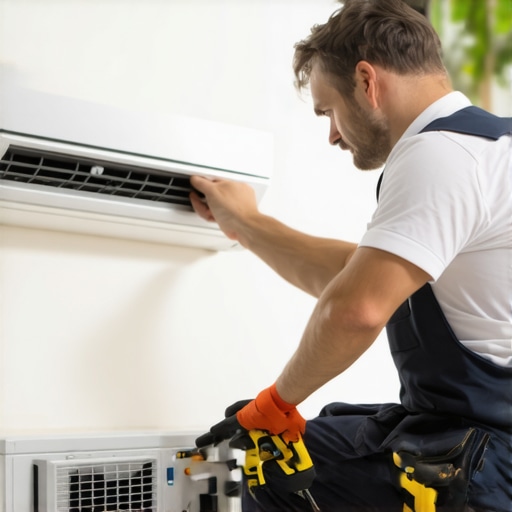
One sweltering summer evening, I found myself drenched in sweat, staring at my malfunctioning mini-split. It was supposed to cool the living room, but all I got was a faint whisper of airflow. Frustration bubbled up as I realized my home’s comfort depended on a system I didn’t fully understand at the time. That lightbulb moment—when I finally admitted I needed expert help—changed everything. Since then, I’ve learned that trusting the right repair solutions isn’t just about fixing a broken unit; it’s about securing reliable comfort for your family. If you’ve ever felt the heat creeping in when your HVAC system refuses to cooperate, you’re not alone. Today, I want to share how I uncovered dependable strategies and trusted experts that transformed the way I handle mini-split and HVAC repairs, saving me time, stress, and money.
Why Consistent HVAC Support Should Be Non-Negotiable
Home climate control isn’t just about slightly chilly evenings or warm mornings; it’s the backbone of our daily well-being. A malfunctioning mini-split or furnace can turn a cozy house into a relentless sauna or icy cavern. I once thought I could fix my HVAC system myself, only to discover I’d made a costly mistake—more on that below. Reliable repair solutions, backed by expert knowledge, are essential to keep your home comfortable and energy-efficient. According to the U.S. Department of Energy, an optimized HVAC system can reduce energy costs by up to 30%, making professional maintenance and repairs a smart investment. So, the real question is: how do you identify trustworthy specialists who can deliver lasting results?
Why YES, Your System Can Be Saved — If You Know How to Spot the Right Help
Early in my journey, I trusted a quick fix from a local handyman, thinking it would save me money. Turns out, I only delayed the inevitable and risked further damage. That was a rookie mistake, one I learned to avoid by seeking out experienced HVAC repair experts who understand mini-split and heat pump intricacies. Reliable service isn’t just about quick fixes; it’s about long-term solutions. For comprehensive insights into choosing the right repair providers, I recommend checking out trusted resources like this trusted repair guide. Now, let’s dive into the practical steps to keep your home climate controlled perfectly and why expert support makes all the difference.
Diagnose Before You Fix
Start with a precise assessment of the problem. If your mini-split isn’t cooling, listen for unusual noises or vibrations. Use the mini-split troubleshooting guide to identify common issues. Remember, just like a doctor diagnoses symptoms before prescribing medicine, you need to pinpoint the exact malfunction—be it a refrigerant leak, dirty filter, or electrical failure. I once faced a noisy heat pump; I cleaned the filters first and inspected the fan blades, which made a noticeable difference. This initial step saves time and prevents unnecessary repairs.
Check Basic Components Like a Pro
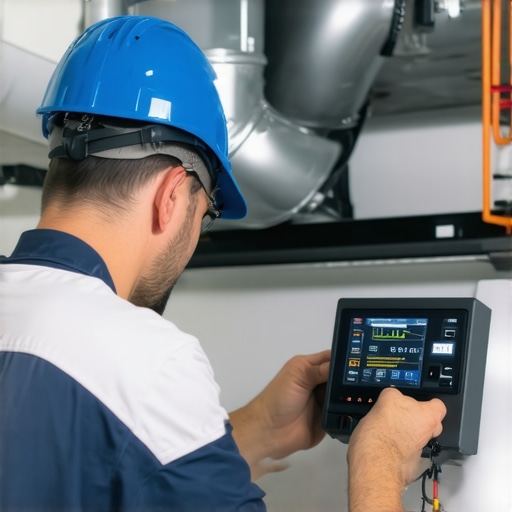
Next, inspect accessible parts—thermostats, filters, circuit breakers. Think of your HVAC system as a bicycle: if your chain slips, you check the chain tension and gears before replacing the entire bike. For example, I replaced a clogged filter that was causing my mini-split to short cycle, restoring efficiency. Regularly cleaning or replacing filters can prevent bigger issues. Also, confirm power sources are active; sometimes a tripped breaker causes system failures. It’s an easy fix with a multimeter or simply resetting the breaker—if you’re comfortable, otherwise, contact a professional.
Use Proper Tools and Safety Measures
Invest in a quality set of tools—a multimeter, screwdrivers, and a refrigerant leak detector are essentials. Safety gear like gloves and eye protection is non-negotiable. I learned this the hard way when I accidentally touched a capacitor; proper insulated tools now keep me safe. When working with refrigerants, avoid venting into the room; always follow environmental protocols. If you’re unsure, it’s smarter to call a professional rather than risking harm or further damage.
Identify When Professional Help Is Necessary
Recognize signs pointing to complex issues: refrigerant leaks, compressor failures, or electrical faults. These require specialized knowledge and tools. My mini-split showed error codes I couldn’t interpret; a trusted technician diagnosed a faulty inverter circuit. Don’t gamble with your system’s longevity—consult experienced experts. For instance, trusted repair solutions can guarantee long-lasting results. Remember, attempting hazardous repairs without proper training can cause more damage—when in doubt, pick a professional.
Follow a Maintenance Routine
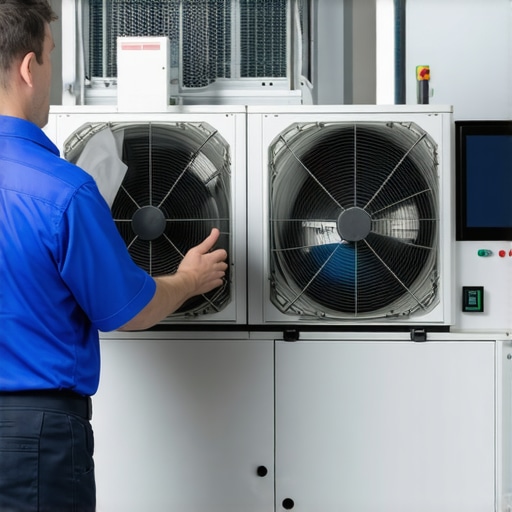
Proactive care prevents emergencies. Schedule seasonal checks—clean coils, inspect for leaks, and test system performance. Use the heat pump maintenance tips to keep your system running smoothly. During one fall, I cleaned my heat pump’s evaporator coil and checked the refrigerant levels, which resulted in optimal performance through winter. Consistency is key; think of it as regular exercise for your HVAC system—small actions, big savings.
Document Everything for Future Reference
Keep a repair and maintenance log. Take photos of components before and after repairs to track changes and inform technicians later. This practice helped me identify recurring issues and provided clarity when scheduling pro repairs. Having detailed records expedites diagnostics and ensures consistent service quality. Remember, being organized empowers you in managing your system efficiently.
Many homeowners operate under misconceptions about mini-split, furnace, and heat pump repairs, often due to myths propagated by misinformation or oversimplified advice. Let’s dig deeper into these misunderstandings and reveal the nuances that can make or break your system’s longevity. One common myth is that all repair issues are straightforward and solvable with a simple fix. In reality, HVAC systems are highly complex, with interdependent components. Overlooking the nuanced diagnostics can lead to recurring problems or even system failure. For example, assuming that a noisy heat pump is just dirty filters might cause you to neglect underlying issues like refrigerant leaks or inverter failures, which require specialized attention. The importance of understanding the specific causes behind symptoms can’t be overstated—skipping proper diagnostics can be costly. Another pitfall many fall into is trusting inexpensive, quick-fix solutions or unqualified technicians. While saving money is tempting, cheap repairs often sacrifice quality, leading to short-term fixes but long-term headaches. It’s crucial to analyze the repair provider’s expertise, especially for sophisticated systems like mini-splits or advanced heat pumps. Dive into trusted resources and identify specialists with proven experience. A common trap is believing that regular maintenance isn’t necessary unless problems appear. In fact, proactive, scheduled checkups and nuanced understanding of system behaviors prevent costly breakdowns. For example, a neglected evaporator coil can lead to undue strain on the compressor, shortening the system’s lifespan. The real secret lies in recognizing that not all repairs are equal—some issues are symptomatic of deeper systemic problems. Addressing these requires expert assessment and tailored solutions. The advanced homeowner questions if all HVAC problems are the same or if different systems demand nuanced approaches. Absolutely, each system type—furnace, mini-split, heat pump—has unique failure modes and maintenance needs. For instance, heat pumps operate efficiently in variable climates, but improper repairs or neglect can cause refrigerant leaks or inverter failures, which impact performance dramatically. Professionals with specialized knowledge, like those found in trusted repair solutions, utilize diagnostic tools that can detect subtle issues invisible to the untrained eye. According to HVAC industry experts, understanding system nuances and targeting repairs precisely reduces energy costs and extends equipment lifespan. If you’re keen to go beyond basic fixes, consider comprehensive guides to heat pump maintenance and repairs, and always remember: quality repairs backed by experienced technicians will save you money and frustration in the long run. Want to deepen your knowledge? Explore our detailed resources or contact trusted professionals—avoiding the common pitfalls can dramatically improve your system’s durability and efficiency. Have you ever fallen into this trap? Let me know in the comments.
Keep Your System Running Smoothly for Years
Maintaining your mini-split, furnace, or heat pump isn’t just about addressing immediate issues—it’s about establishing a routine that ensures longevity and efficiency. Over the years, I’ve found that specific tools and methods can significantly simplify this process and prevent costly repairs down the line.
Invest in a Reliable Digital Multimeter
This device is a must-have for diagnosing electrical issues accurately. I personally prefer a digital multimeter with auto-ranging capabilities, like the Fluke 115. It helps me quickly check voltage, continuity, and resistance without fuss. For example, testing the relay coil resistance or confirming proper voltage supplies has prevented me from unnecessary component replacements. When shelling out for tools, remember: quality matters—cheap multimeters can give false readings and cause more harm than good.
Use a Refrigerant Leak Detector With Precision
Refrigerant leaks are common culprits behind system inefficiency. I rely on an electronic leak detector such as the Inficon D-TEK Plus because it detects even minor leaks promptly. Regular use here can save hundreds by catching leaks early before they cause compressor failure or system shutdown. It’s worth noting that environmental regulations make venting refrigerants illegal; a good detector like this helps comply and maintain system health simultaneously.
Apply a Polymer-Based Coil Cleaner
Dirty coils hamper heat transfer, forcing your system to work harder. I’ve switched to a non-corrosive, polymer-based coil cleaner like Nu-Calgon’s Evap-Cool. It effectively dissolves grime without damaging fins or tubing, which I spray on and rinse off with a garden hose. Regular coil cleaning—about twice a year—can boost efficiency by up to 20%, based on industry studies. Incorporating this into your routine drastically reduces energy bills and prolongs component life.
Embrace Systematic Diagnostic Techniques
Beyond tools, following a structured diagnostic approach enhances reliability. I recommend starting with visual inspections, then moving to electrical tests with your multimeter, and finally checking refrigerant levels and leaks. Keeping detailed logs of findings helps track recurring issues and confidently relay information to professionals when needed. For instance, when I noticed persistent cycling issues, systematic testing revealed a faulty thermostat relay, saving me from replacing the entire system.
Predict Future Trends in HVAC Support
Looking ahead, smart diagnostic tools integrated with smartphone apps are set to transform maintenance routines. Devices that provide real-time system analytics can alert homeowners before a breakdown occurs, making proactive care more accessible. As technology evolves, becoming familiar with electrical and refrigerant diagnostics will likely become even more vital for homeowners eager to reduce reliance on costly repairs.
How do I keep my HVAC system in top shape over time?
Regularly using diagnostic tools, like a multimeter and leak detectors, combined with systematic troubleshooting and routine coil cleaning, creates a personalized maintenance routine that extends your system’s lifespan. Embracing these practices now will help you catch issues early and optimize performance long into the future. For more detailed guidance on maintaining your heat pump, check out this comprehensive guide. Don’t wait until problems arise—try incorporating one of these advanced tips into your routine today and experience peace of mind knowing your system is in expert hands.
What I Wish I Knew About HVAC Troubleshooting Early On
One of the most valuable lessons I learned was that not every problem has an immediate fix; sometimes, stewing over a symptom can blind you to the root cause. I used to chase quick fixes without proper diagnostics, which often led me down costly rabbit holes. The lightbulb moment came when I realized that patience and a structured approach are your best tools. Embracing this mindset saved me time, money, and a lot of frustration—something I wish I had understood from the start.
How My Toolset Became My Best Friend in HVAC Repairs
Investing in reliable tools like a quality multimeter and refrigerant leak detector shifted my repair game entirely. These tools demystified electrical and refrigerant issues that once seemed like black magic. I trusted tools like the Fluke 115 and Inficon D-TEK Plus because they provided precision and peace of mind. These resources became my trusty companions, transforming complex diagnostics into manageable steps, and I can’t recommend having a solid toolkit enough for any homeowner aiming to take control of their HVAC system.
Decoding System Mysteries Through Seeing the Bigger Picture
Once I shifted from focusing solely on individual components to understanding system interactions, my repair success rate skyrocketed. For instance, noticing how a seemingly minor refrigerant leak could cascade into electrical strain revealed how interconnected these systems are. It made me realize that proactive maintenance—like coil cleaning and monitoring refrigerant levels—can prevent larger failures. This holistic approach turned out to be the most sustainable strategy, long before I considered calling a professional.
Turn Your Knowledge into Action Today
Mastering mini-split, furnace, or heat pump repair starts with embracing curiosity and a respect for the system’s complexity. Don’t let misconceptions and fear hold you back from taking proactive steps. With the right knowledge, tools, and mindset, you can keep your HVAC system running smoothly for years. For a deep dive into maintenance routines that work, explore our comprehensive guide. Start today—your home’s comfort depends on it!