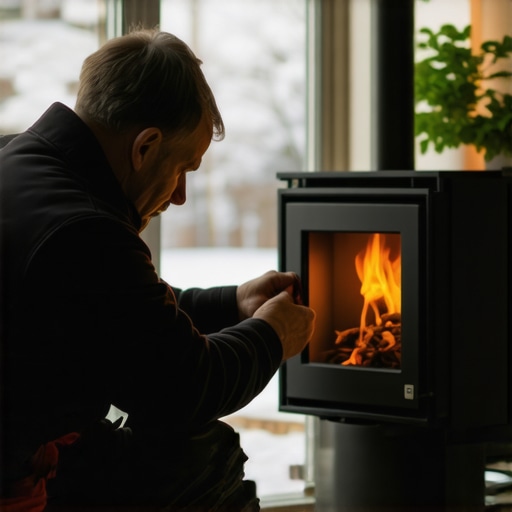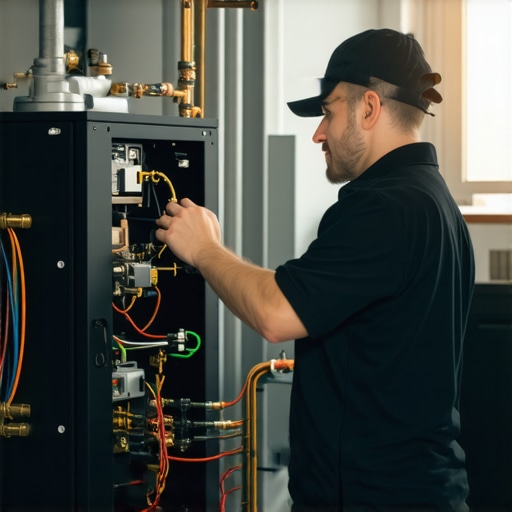
Ever had that heart-stopping moment when your furnace sputters to a halt just as the cold weather hits? I remember the chilly night I woke up shivering, realizing my heating system had decided to quit on me. It’s a gut-wrenching feeling, especially when you’re unprepared and don’t know where to turn. But over the years, I’ve learned a few things about how to handle these frustrating breakdowns without panicking or overspending. Today, I want to share that journey and promise you some practical insights into finding reliable furnace repair solutions for 2024. Whether it’s a mini-split, heat pump, or traditional furnace, knowing what to do can save you a lot of stress and money.
Why Your Furnace Might Fail When You Least Expect It
Furnaces, heat pumps, and HVAC systems are complex machines. They’re also quite resilient—most of the time. But when they falter, it’s often due to common issues like worn-out parts, neglected maintenance, or even myths about how these systems work. I used to think I could fix everything myself, only to end up calling a professional after making a costly mistake. One of my biggest regrets was trying to clean the blower motor without proper tools, which only worsened the problem. That experience taught me that trusting expert furnace repair specialists is often the smartest move. Today, I’ll guide you through the steps to ensure your home stays warm and cozy without falling into common pitfalls.
Is Furnace Repair Actually Worth the Hype?
In the beginning, I was skeptical about spending on repairs. I thought I could patch things up myself or wait until it became unbearable. But I quickly learned that neglecting issues only leads to more expensive fixes down the line. For example, ignoring a minor thermostat glitch can cause your system to work harder, increasing energy bills and decreasing lifespan. A trusted repair can not only restore comfort but also boost efficiency—something I wish I had known earlier. For some eye-opening truths, check out this detailed guide.
So, if you’ve faced that cold shock of a sudden failure, know that expert repair services are designed to get your system back in shape quickly and effectively. Let’s dive into how to identify issues early and avoid costly mistakes, starting with the most common signs your furnace needs professional attention.
Test Your System for Basic Troubleshooting
Before calling in a pro, perform simple checks to rule out common issues. Turn off your system, then inspect filters, vents, and the thermostat. A dusty filter or a miscalibrated thermostat can mimic major faults. Remember, I once spent an hour cleaning the entire unit only to realize I forgot to switch the thermostat back on — a classic rookie mistake. If these steps don’t fix the problem, it’s time to move to a deeper diagnosis.
Identify Signs That Signal Professional Help Is Needed
Strange Noises and Frequent Cycling
If your furnace makes banging or squealing sounds, or it keeps turning on and off, these are red flags. These noises often indicate worn bearings or a failing motor. During one winter, my system started squealing loudly, and I ignored it until it stopped working altogether. That’s when I knew a professional repair was necessary. Don’t delay — ignoring these signs can lead to costly replacements.
Inconsistent Heating or No Heat at All
Uneven warmth or complete failure to heat suggests internal issues like a faulty ignition or a blocked airflow. I once experienced this during a cold snap; the heater heated one room but not another. A quick call to a trusted technician helped pinpoint the problem, saving me from a freezing night. Recognizing these symptoms early can prevent bigger breakdowns.
Perform Basic Maintenance to Keep Your System Running Smoothly
Regular upkeep is your best defense. Change filters every 1-3 months, depending on usage. Clean vents and registers to prevent airflow restrictions. For heat pumps or mini-splits, check the outdoor unit for debris and ensure the surrounding area is clear. I learned this the hard way when a clogged outdoor coil caused my heat pump to work harder, increasing energy bills. Routine maintenance extends the lifespan of your HVAC system and improves efficiency.
Know When to Call the Experts
If troubleshooting and basic maintenance don’t resolve the issue, it’s time to seek professional help. Contact a licensed HVAC technician through trusted services like Chilly Pro HVAC. When scheduling, describe the symptoms clearly — mention strange noises, inconsistent heating, or system shutdowns. An experienced technician will perform in-depth diagnostics, often using specialized tools to identify issues like defective sensors, failing motors, or refrigerant leaks.
Understand the Repair Process and Your Options
Once a technician identifies the problem, they’ll explain your repair options. For example, replacing a worn blower motor might be straightforward, but a refrigerant leak could require more extensive work. Be proactive in asking about warranties, parts quality, and energy efficiency upgrades. I once opted for a system upgrade instead of a simple repair, which proved more cost-effective in the long run. Knowledge of your options empowers you to make the best decision for your home comfort and budget.
Keep Your System Well-Maintained to Prevent Future Failures
After repairs, establish a maintenance routine. Schedule annual inspections, clean filters monthly, and monitor system performance. For heat pumps and mini-splits, follow the manufacturer’s maintenance guidelines detailed in this comprehensive guide. Regular care ensures your HVAC system remains efficient and reliable, avoiding sudden breakdowns that catch you off guard.
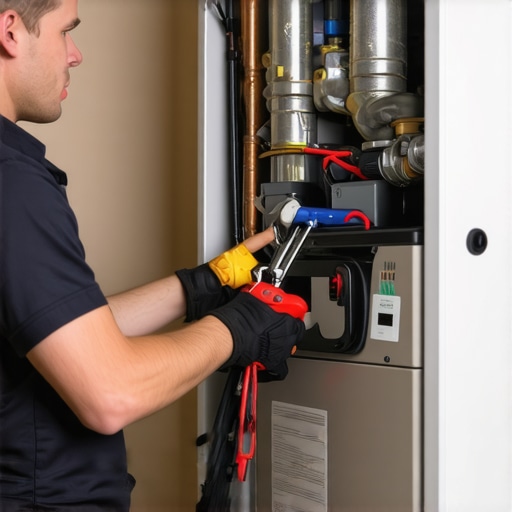
Many homeowners fall prey to misconceptions about furnace repair, heat pumps, and mini-split systems, often leading to costly mistakes or overlooked issues. Let’s dig deeper into some of these myths and reveal the hidden nuances that can make a significant difference in maintenance and repair strategies.
Why Believing Bigger Is Always Better Can Backfire
It’s a common belief that replacing an entire HVAC system is the best solution when problems arise. However, in my experience, many issues can be effectively addressed with targeted repairs or component upgrades. For example, a worn-out blower motor can often be replaced without replacing the whole system, saving significant money and time. Consulting with trusted experts, like those at furnace repair specialists, can help determine if a repair is sufficient or if a full upgrade is necessary.
The Oops Factor: Ignoring the Details
One trap I see repeatedly is neglecting small signs that indicate deeper issues. For instance, a minor refrigerant leak in a heat pump might seem insignificant, but over time, it can cause compressor failure if left unaddressed. Advanced diagnostics, often used by professional technicians, can detect these hidden problems before they escalate. According to HVAC experts, early intervention is crucial for maintaining system longevity and efficiency. For more on this, check out these expert tips.
Advanced Question: How Do You Differentiate Between a Minor Issue and a Sign of Major Trouble?
This is a sophisticated concern many homeowners overlook. For example, a heat pump that cycles frequently might seem annoying but could also indicate a failing sensor or refrigerant imbalance. Conversely, a slight increase in energy bills might just be due to seasonal changes. However, if these symptoms persist, it’s time to seek professional diagnostics. Utilizing specialized tools and expertise, technicians can accurately assess whether the problem is minor or part of a larger failure. For more detailed guidance, consider visiting this comprehensive resource.
In conclusion, understanding the nuances and debunking common myths about HVAC repair can save you money and extend the life of your system. Don’t fall into the trap of oversimplification or neglect—trust expert advice and regular maintenance to keep your home comfortable. Have you ever fallen into this trap? Let me know in the comments.
Keeping your furnace, heat pump, or mini-split system running smoothly over the years requires more than just occasional calls to a technician. The right tools and a consistent maintenance routine can significantly extend the lifespan of your HVAC investments while ensuring optimal performance. I’ve personally found that having a few specialized tools on hand makes diagnosing and addressing issues much more manageable, even if you’re not a professional technician.
One of my go-to tools is a digital manifold gauge set. Unlike traditional analog gauges, digital versions provide quick, accurate refrigerant pressure readings, which are vital when troubleshooting heat pumps or mini-splits. I use the reliable digital manifold gauges because they save time and reduce guesswork, especially when dealing with refrigerant leaks or low-pressure issues. Keeping a set of high-quality vacuum pumps is also essential. They help in evacuating refrigerant lines during repairs, ensuring the system is free of moisture and contaminants—crucial steps for long-term efficiency and prevention of costly breakdowns.
Another indispensable item is an infrared thermocouple or a contact thermometer. Monitoring the temperature differential across your system components can reveal underlying problems like airflow restrictions or compressor inefficiencies. I regularly use my infrared thermometer to check the temperature at the air returns and outlets, which helps me spot inefficiencies early before they escalate into major repairs.
For routine maintenance, I rely heavily on a good set of screwdrivers, a multimeter, and a refrigerant leak detector. The multimeter allows me to test electrical connections and components safely, ensuring everything is operating within manufacturer specifications. The leak detector is invaluable for mini-splits and heat pumps, where refrigerant leaks are common but often hard to detect without proper equipment. Regularly using these tools helps me catch issues early, saving money and avoiding uncomfortable surprises during the coldest days.
As technology advances, I predict that diagnostic tools will become even smarter and more integrated with apps and cloud-based data management, making maintenance more proactive. For example, some smart thermostats now provide detailed system diagnostics, alerting homeowners to problems before failure occurs. Looking ahead, I believe DIYers and homeowners will increasingly adopt these innovative tools, making routine maintenance more accessible and less intimidating.
How do I maintain my HVAC system over time?
Consistency is key. Schedule annual professional inspections to catch issues early, but don’t underestimate the importance of regular DIY checks. Changing filters every 1-3 months, cleaning coils and vents, and monitoring system performance with your diagnostic tools will keep your system efficient and reliable. For mini-splits and heat pumps, I recommend following the guidance outlined in this comprehensive maintenance guide.
Ready to take your HVAC maintenance to the next level? Try out a digital manifold gauge set or an infrared thermometer this season. Small investments in quality tools and routine care can prevent costly repairs and ensure your home stays comfortable year-round.
The Hardest Lesson I Learned About furnace repair, heat pump, HVAC repair, mini-split
One of the most valuable lessons I learned was the danger of ignoring small signs of trouble. Early symptoms like strange noises or inconsistent heating are often whispers from your system warning you of bigger issues ahead. Recognizing these early can save you hundreds of dollars and avoid uncomfortable breakdowns. Trust me, waiting until it’s too late only complicates repairs and increases costs.
How To Pick Tools That Truly Make a Difference
Over time, I discovered that investing in quality diagnostic tools like digital manifold gauges and infrared thermometers transforms DIY maintenance from guesswork to precision. These tools help me spot refrigerant leaks or airflow issues before they escalate. The right equipment isn’t just a convenience; it’s a game-changer for extending your system’s lifespan and ensuring reliable heating and cooling.
What I Wish I Knew About Professional Repairs
Engaging with expert HVAC technicians has taught me that understanding the repair process can empower your decisions. Knowing about warranties, system upgrades, and energy efficiency options helps you avoid unnecessary replacements. I’ve found that asking the right questions—like whether a repair can be upgraded or if a full system replacement is truly needed—saves money and ensures lasting comfort.
Curated Resources That Changed My Approach
- Trusted tools like digital manifold gauges have made diagnosing refrigerant issues easier and faster. I rely on brands with proven accuracy and durability.
- Comprehensive maintenance guides from Chilly Pro HVAC help me stay ahead of problems and optimize my system’s performance.
- Expert articles and videos from trusted sources like Chilly Pro HVAC have deepened my understanding of complex issues and new repair techniques.
Believe in Your Power to Keep Comfort Alive
You don’t have to be a professional to maintain your heating and cooling systems effectively. With the right knowledge and tools, you can tackle minor issues early, prevent costly repairs, and enjoy a warm, cozy home all year. The future of HVAC maintenance is exciting, and your home comfort depends on your proactive choices. So, are you ready to take charge and keep your system running smoothly in 2024? Share your experiences or ask questions below—I’d love to hear from you!
,