It was a freezing night when my furnace suddenly quit, leaving my home engulfed in an icy silence. I remember that sinking feeling—panic creeping in as I scrambled to find a solution. Sound familiar? If you’ve ever been caught in the cold or sweltering heat due to unreliable HVAC service, you know how disruptive it can be. That lightbulb moment—realizing that trusting just any repair service isn’t enough—set me on a quest for dependable solutions. Today, I want to share what I’ve learned about ensuring reliable furnace and heat pump results in 2024, so you don’t have to face the same stress.
Why Trustworthy HVAC Repairs Matter More Than Ever
With the seasons shifting faster than ever, having a heating and cooling system you can rely on is no longer a luxury—it’s a necessity. Poorly executed repairs can lead to recurring breakdowns, skyrocketing energy bills, and even safety hazards. When I first learned this, I made a crucial mistake: I trusted a local handyman with little HVAC experience. The result? A temporary fix that caused more harm than good. It wasn’t until I researched trusted repair providers—like those who follow the best practices outlined in this comprehensive guide—that I finally found lasting solutions. The takeaway? Choosing an expert matters, especially in 2024, when technology advances and the stakes are higher.
Is It Really Worth Investing in Professional HVAC Repairs?
Absolutely. Early on, I underestimated the importance of proper maintenance and trusted quick fixes. That was a costly mistake. Professional repairs don’t just fix the problem—they ensure your system operates efficiently for years to come. Plus, trusted technicians follow strict standards that reduce the risk of future issues. Remember, the right service can save you money in the long run. Want to know how to identify a dependable HVAC contractor? Keep reading, and I’ll share the secrets I’ve uncovered.
Have you faced similar frustrations with unreliable HVAC service? If so, you’re not alone. Let’s dig into how you can avoid these pitfalls and secure the comfort your home deserves in 2024.
Start with a Clear Diagnosis of Your System
My first step was to identify exactly what was wrong with my furnace. I observed strange noises and inconsistent heating. Instead of guessing, I turned to detailed troubleshooting guides like Mini Split Troubleshooting. I checked for obvious issues such as dirty filters, pilot light problems, or electrical connections. By methodically ruling out simple causes, I saved time and money. Think of this step as a doctor taking your vitals before prescribing treatment—an essential foundation for reliable repairs.
Gather and Understand Your Repair Options
Once I knew the problem, I researched repair options. I learned that some issues, like minor refrigerant leaks or thermostat failures, can be fixed with targeted repairs. For more complex problems, I knew I’d need professional help. I visited trusted resources such as Trusted HVAC Repair Results to understand what quality service looks like. This step helps you avoid costly mistakes and ensures you’re prepared for the next phase—choosing the right technician.
Vet Your Repair Technicians Carefully
I didn’t just pick the first technician I found. Instead, I looked for licensed, insured professionals with excellent reviews. I asked for references and checked their credentials. I also verified their experience with heat pumps and furnaces by asking about specific systems like mini-split repairs. This vetting process is like hiring a skilled craftsman—your home’s comfort depends on their expertise. Remember, trusting an unqualified technician can lead to recurring issues, so take your time.
Request Detailed Estimates and Clarify Warranties
Before the work begins, I asked for written estimates that broke down parts, labor, and potential additional costs. I also inquired about warranties on repairs and parts. A reputable company, such as those recommended in Expert HVAC Repair Tips, stands behind their work. This transparency ensures you’re not caught off guard with hidden charges and that your investment is protected.
Supervise the Repair Process
During repairs, I stayed informed. I asked questions like, “What exactly are you fixing?” and “Will this resolve the issue long-term?” I watched for signs of quality work—tight fittings, clean wiring, and proper system calibration. If something seemed off, I addressed it immediately. This hands-on approach is like a coach monitoring a game—your involvement can catch problems early and ensure reliable results.
Test and Confirm System Performance
After the repair, I tested the system thoroughly. I checked heating and cooling functions across different settings. I also used diagnostic tools recommended in Reliable Furnace and Heat Pump Tips. Confirming the system’s optimal performance prevents future breakdowns and guarantees reliable results.
Schedule Preventive Maintenance Regularly
Finally, to keep my system running smoothly, I scheduled regular maintenance. This included filter changes and professional inspections as outlined in Heat Pump Maintenance Guide. Preventive care is the best way to avoid emergencies and prolong system lifespan, ensuring your home remains comfortable year-round.
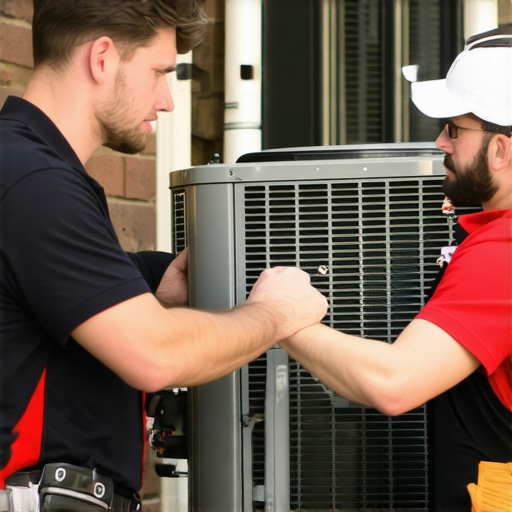
Many homeowners fall for misconceptions about HVAC repairs, believing they can handle issues themselves or that certain practices are always best. Let’s dig deeper into some of these myths and uncover the hidden nuances that can save you time and money in 2024.
One widespread myth is that all HVAC repairs are straightforward and don’t require a professional. While minor issues like replacing filters or cleaning coils are DIY-friendly, complex problems such as refrigerant leaks or electrical failures demand expert intervention. Trusting an unqualified technician or attempting repairs without proper knowledge can lead to costly damage or safety hazards. For instance, incorrectly handling refrigerant not only voids warranties but also risks environmental harm and safety violations. Always consult trusted resources like professional repair tips to know when to call in the experts.
What’s the real impact of ignoring routine maintenance?
A common mistake is neglecting preventive maintenance, under the assumption that repairs are only needed when the system breaks down. This is a risky approach. Regular inspections and tune-ups, as outlined in heat pump maintenance guides, can catch issues early, prolong system lifespan, and optimize efficiency. Ignoring these steps often results in reduced performance and unexpected breakdowns, which are far more costly than scheduled maintenance. Think of maintenance as a health check-up for your HVAC system—skipping it can lead to emergency room expenses later.
Why do some repairs seem to fail repeatedly?
Many homeowners assume that a single repair should fix the problem permanently. However, this overlooks the importance of correct diagnosis and quality workmanship. Cutting corners or settling for cheap parts might seem like a saving initially, but it often leads to recurring issues. For example, replacing a thermostat without addressing underlying wiring problems can cause the same failure again. Always verify that your technician follows best practices, as discussed in reliable repair standards. This ensures lasting results rather than temporary fixes.
Have you ever fallen into this trap? Let me know in the comments. Remember, understanding these nuances helps you avoid costly mistakes and ensures your HVAC system provides reliable comfort throughout 2024 and beyond.
Keeping Your HVAC System Running Smoothly with the Right Tools
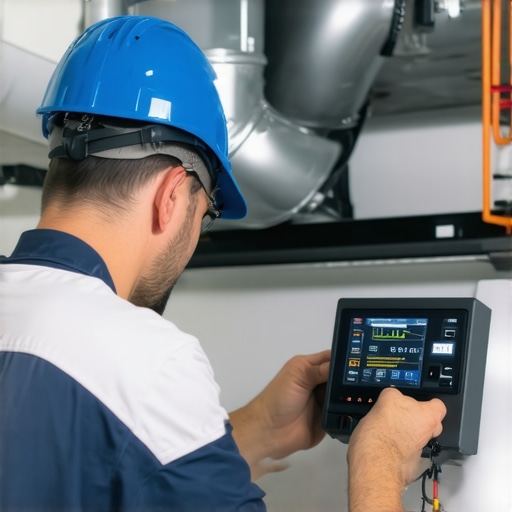
Maintaining a reliable HVAC system over time requires more than just routine inspections; it demands the right tools and methods to identify issues early and ensure optimal performance. Personally, I rely on specific equipment that combines accuracy, durability, and ease of use. One of my go-to tools is a high-quality digital multimeter, which I use to check electrical connections and voltage levels. Accurate readings help me determine if components like relays and capacitors are functioning correctly, preventing larger issues down the line. I also swear by a reliable refrigerant leak detector, essential for swiftly pinpointing leaks without unnecessary system teardown. These detectors, such as the electronic types recommended by HVAC pros, can detect even minor refrigerant escapes, saving time and costly repairs. Additionally, I use a digital manometer to measure system pressures precisely, ensuring that refrigerant levels are optimal, which directly impacts efficiency and longevity. For cleaning and maintenance, a set of precision screwdrivers and brushes helps me access and clean critical parts without damaging sensitive components. I also keep a supply of high-quality HVAC-specific lubricants to ensure moving parts remain frictionless, reducing wear and tear. In the future, I predict that advances in IoT and smart diagnostics will further enhance long-term system maintenance. Imagine systems that automatically alert you to potential failures before they happen—this trend is already emerging with smart thermostats and connected sensors, and it will become standard in 2024 and beyond.
How do I keep my HVAC system performing well over time?
Regularly scheduled maintenance is key. I recommend setting up a comprehensive annual check-up that includes inspecting electrical connections, cleaning coils, and verifying refrigerant levels using your pressure gauges. Using detailed guides like this heat pump maintenance guide can help you develop a checklist tailored to your system. Remember, investing in quality diagnostic tools saves money by catching issues early and avoiding costly repairs or replacements. Try integrating a smart thermostat that learns your schedule and provides diagnostic feedback—it’s a game-changer for long-term comfort and efficiency. By coupling these tools with proactive maintenance, you can extend your HVAC system’s lifespan and keep your home comfortable year-round.
Lessons I Didn’t Expect to Learn About HVAC Repairs
- One of the toughest lessons was realizing that rushing into repairs or choosing the cheapest option often leads to repeat problems. It’s tempting to save a few bucks, but quality workmanship and proper diagnosis are worth every penny.
- Trusting my instincts and asking detailed questions about repair procedures made a massive difference. Knowing exactly what’s being fixed and how helped me avoid shortcuts that could cost more later.
- I learned that even seasoned homeowners need to stay involved—supervising repairs and testing the system afterward can prevent future breakdowns and ensure peace of mind.
- My biggest lightbulb moment? Regular preventive maintenance isn’t optional; it’s the best way to extend system lifespan and keep your home comfortable without surprises.
Top Tools and Resources That Changed My Approach
- Digital multimeter: Accurate electrical testing helped me catch issues early and avoid costly repairs. I trust this tool because it’s simple to use and reliable.
- Refrigerant leak detector: Spotting leaks quickly prevented system damage and environmental harm. I recommend electronic leak detectors from trusted HVAC brands for peace of mind.
- Pressure gauges: Ensuring refrigerant levels are spot-on keeps the system running efficiently. A good digital manometer is my go-to for precise measurements.
- Educational guides: Resources like this heat pump maintenance guide transformed how I approach system care, making me more confident in DIY tasks and what to leave to the pros.
Step Into Action and Keep Your HVAC System in Top Shape
Your home’s comfort in 2024 depends on making smart choices today. By investing in proper diagnosis, vetting technicians carefully, and staying involved in repairs, you can avoid costly mistakes and enjoy reliable heating and cooling all year round. Remember, the key is proactive maintenance and using the right tools to catch problems early. It’s easier than you think to keep your system running smoothly — just take the first step now! What’s been your biggest HVAC challenge so far? Share below and let’s learn from each other!”},