The Physics of the Floor: Why Your Feet Are Freezing
You’ve cranked the thermostat to 74 degrees, the furnace is screaming, and your chest feels warm, but your toes are currently approaching the temperature of a meat locker. As a tech who has spent three decades dragging my bones through spider-infested voids, I can tell you right now: your thermostat is a liar and your crawl space is a vacuum. Most homeowners think of their crawl space as a dark storage area for old paint cans, but it is actually the lungs of your home. If those lungs are filled with freezing air due to incompetent insulation, your heating system—whether it’s a high-efficiency heat pump or a classic steam boiler repair project—is fighting a war it cannot win.
The Airflow Manifesto: A Lesson from the Old School
My old mentor used to scream at me until he was purple in the face: ‘You can’t cool what you can’t touch, and you can’t heat what you’re leaking to the worms!’ This is why airflow matters more than raw horsepower. He’d make me hold a smoke pen near the floor joists to watch the ‘Stack Effect’ in real-time. In a cold climate, your home acts like a giant chimney. Warm air rises and escapes through the attic, creating a low-pressure zone in the basement or crawl space. This vacuum sucks in sub-zero air through every crack in the foundation. If your insulation is sagging or incorrectly installed, you aren’t just losing heat; you’re literally inviting the arctic into your living room. When the static pressure is off, your HVAC maintenance plans are basically just expensive stickers on a failing machine.
“The most expensive equipment in the world cannot overcome a bad duct system or a compromised thermal envelope.” – Industry Axiom
The Thermodynamic Zooming: Latent vs. Sensible Heat in the Void
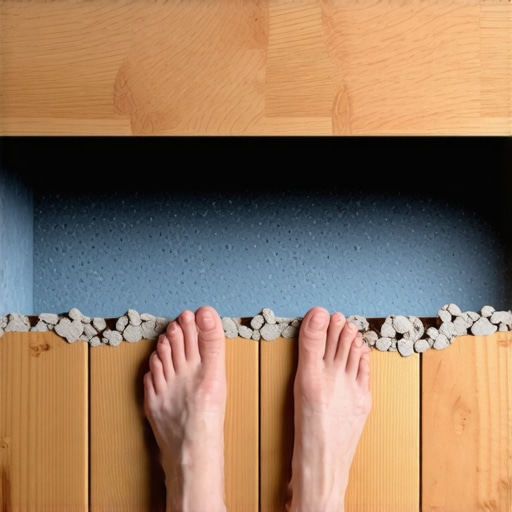
To understand why your toes are freezing, we have to look at the thermodynamics of the crawl space. We aren’t just dealing with sensible heat—the temperature you read on a thermometer. We are dealing with the thermal bridge. When you have fiberglass batts stuffed between joists, they often sag. That air gap between the floorboards and the insulation becomes a stagnant pond of cold. Because heat moves from high concentration to low concentration (the Second Law of Thermodynamics), the heat in your feet is literally being sucked out through the floor and into that gap. If you have a steam humidifiers system running, the moisture can even condense in these cold gaps, turning your insulation into a soggy, useless sponge. This is why we push for heat exchanger cleaning and sealed crawl spaces; we have to stop the molecular vibration of heat from escaping the building’s skin.
The ‘Tin Knocker’ Logic: Mastic, Pookie, and Airflow
I’ve seen ‘Sales Techs’ try to sell a $20,000 system to fix a cold floor. That’s a scam. Usually, the issue is that the ‘tin knocker’ who built the house didn’t seal the supply runs. If your ducts are in the crawl space and they aren’t coated in ‘pookie’ (mastic), you’re losing 20% of your heated air before it even hits the register. This causes your unit to short cycle, especially with modern systems. If you’re looking at financing for heat pump installs, you better make sure the ductwork is pressurized first. Otherwise, you’re just putting a Ferrari engine in a lawnmower. Proper gas line installation for furnaces won’t matter if the heat is being dumped into the dirt under your house.
Regulatory Realities and the 2025 Shift
As we move into new EPA regulations, the way we handle climate control is changing. The efficiency of your home’s envelope is now a legal and financial priority. We are seeing more rebate application assistance programs specifically for those who integrate air purification integration and proper insulation with their HVAC upgrades. If you have an older home requiring steam boiler repair, the integration of modern controls is vital because old boilers don’t understand modern airflow problems. They just keep pumping steam while your feet stay blue.
“Standard practice for residential buildings requires a continuous air barrier and thermal envelope to minimize unintended air infiltration.” – ASHRAE Standard 62.2
The Solution: Beyond the Fiberglass Myth
If you want to stop the freeze, you have to stop thinking about insulation as a blanket and start thinking about it as a seal. Spray foam or rigid foam boards on the crawl space walls (encapsulation) is often better than batts in the ceiling. This keeps the entire void at a manageable temperature, meaning your heat pump doesn’t have to work overtime to overcome a 30-degree floor. While you’re at it, check your evaporative cooler services lines if you’re in a mixed climate; frozen lines in a crawl space are a recipe for a flooded disaster. Understanding heat pump maintenance is critical here, as these units rely heavily on consistent return air temperatures which a cold crawl space destroys.
Conclusion: Physics Doesn’t Care About Your Budget
Comfort is a matter of physics, not magic. If your crawl space is a mess, your HVAC system is just a noisy expensive space heater. You need to address the ‘pookie’ on the ducts, the seal on the rim joists, and the integrity of the vapor barrier. Don’t let a sales tech talk you into a bigger unit. Address the airflow, fix the insulation errors, and maybe you won’t need those wool socks indoors anymore. If you’re struggling with a system that won’t keep up, check out our hvac repair secrets or contact us for a real diagnostic, not a sales pitch.