
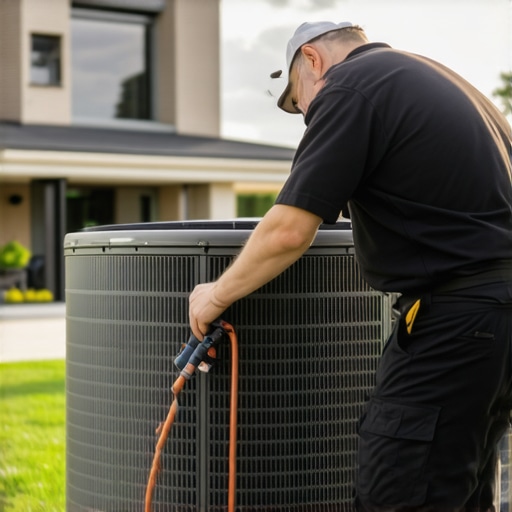
It was a bitter winter night when my heating suddenly stopped working. I was left shivering, realizing I had trusted a technician who promised quick fixes but delivered nothing but frustration. That moment was my lightbulb—if I wanted lasting comfort, I had to find a reliable expert I could trust. Fast forward to today, I’ve learned that choosing the right HVAC repair service isn’t just about fixing the problem; it’s about ensuring long-term results that keep your home comfortable year-round. If you’ve ever faced a sudden breakdown of your heat pump or furnace, you know how disruptive it can be. The good news? With the right guidance, you can avoid the same pitfalls I encountered. Today, I’ll share insights on trusting expert HVAC repair and the results you can expect in 2024, so you don’t have to face another cold night unprepared.
Why Reliable HVAC Repair Matters More Than Ever in 2024
In 2024, the importance of dependable HVAC services has skyrocketed. With energy costs rising and climate extremes becoming more frequent, having a system that performs efficiently isn’t just a luxury—it’s a necessity. According to the U.S. Energy Information Administration, HVAC systems account for nearly 50% of energy consumption in a typical home. That’s a massive chunk, and any inefficiency can cost you hundreds of dollars annually. Moreover, a poorly maintained heat pump or furnace can break down unexpectedly, leaving you in the cold or sweltering heat. That’s why trusting expert technicians for repairs and maintenance is crucial. I learned this the hard way, making a costly mistake early on by attempting DIY fixes that only worsened the problem. It’s easy to fall into the trap of thinking a quick fix is enough, but reliable results come from professionals who understand the nuances of HVAC systems. If you want to ensure your home stays comfortable and energy-efficient, investing in trusted repair services is the smartest move you can make.
Question Header: Is Trusting an HVAC Expert Really Worth the Investment?
Initially, I hesitated, wondering if paying for professional repairs was justified—especially when I could find cheaper, DIY solutions online. But I soon realized that my early mistake was trying to save money by skipping expert help, which led to recurring issues and higher costs down the line. Reliable HVAC repair isn’t just about fixing a broken component; it’s about getting a lasting solution that improves your system’s efficiency and lifespan. When you choose trusted professionals, like those highlighted in this comprehensive guide, you’re investing in peace of mind. They bring expertise, experience, and the right tools to diagnose and repair your system correctly the first time. Don’t fall for the myth that DIY repairs or cheap fixes are enough—trust me, the long-term savings and comfort far outweigh the initial costs.
Reliable HVAC repair is an ongoing process that involves regular maintenance, timely repairs, and professional expertise. In the sections ahead, I’ll share practical tips and industry insights to help you select the best service providers and keep your heat pump or furnace running smoothly throughout 2024 and beyond. Ready to discover how to achieve lasting comfort? Let’s dive in!
,
Start with Accurate Diagnosis
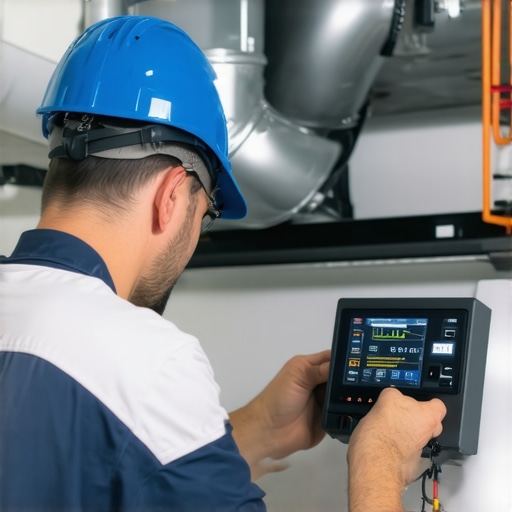
My first step was to avoid jumping into repairs without understanding the root cause. I called a trusted technician who used specialized tools to diagnose my heat pump issue precisely. This step is crucial because a misdiagnosis leads to unnecessary repairs or parts replacements. When you notice irregular system behavior, don’t just assume—it’s time to consult an expert. For detailed diagnostic techniques, check out this guide.
Choose the Right Professional
After diagnosing my system, I researched local HVAC services with proven track records. I looked for reviews, years of experience, and certifications. I learned that a reliable technician should be certified by recognized bodies like NATE. It’s not enough to find someone who can do the job; you want someone who does it right the first time. When selecting a provider, ask for references or case studies. This step ensures you’re investing in quality, not just a quick fix. For tips on vetting HVAC companies, see this article.
Request a Detailed Repair Plan
During my consultation, I asked for a comprehensive repair plan that included what parts would be replaced, why they were necessary, and how long the repairs would take. A trustworthy technician should provide clear explanations and transparent pricing. This approach prevents surprises and helps you understand the scope of work. I also inquired about the system’s future maintenance needs, which the technician explained thoroughly, referencing mini-split troubleshooting tips. Clear communication is key to lasting results.
Use Quality Parts and Proper Techniques
I learned that insisting on OEM (Original Equipment Manufacturer) parts and proper installation techniques significantly impacts longevity. Cheap parts or shortcuts in installation can cause repeat failures. My technician used high-quality components and followed manufacturer guidelines, which ensured a durable repair. Remember, the cheapest fix often costs more in the long run. For insights on reliable repair practices, review this comprehensive repair guide.
Schedule Preventive Maintenance
Post-repair, I set up regular maintenance appointments. Routine check-ups catch small issues before they escalate. My technician recommended seasonal inspections, cleaning, and filter changes, which are vital for efficiency and system lifespan. Preventive maintenance is like regular health check-ups; they keep your HVAC running smoothly year-round. For scheduling tips, see this maintenance checklist.
Monitor System Performance
Finally, I kept an eye on my system’s performance after repairs. I noted any unusual noises, fluctuations in temperature, or energy bills. Early detection of issues allows quick intervention, saving money and extending system life. Trusting the process and staying vigilant ensures your HVAC remains reliable. For troubleshooting tips, visit this troubleshooting resource.
Many homeowners believe they understand HVAC repair thoroughly, but in reality, there are several misconceptions that can lead to costly mistakes. Let’s dig deeper into what most people get wrong about trusting HVAC professionals and the nuances that often go unnoticed.
Myth: All HVAC Repairs Are the Same and Can Be Done by Anyone
One prevalent misconception is that HVAC repairs are straightforward and can be DIY projects. While small tasks like changing filters are simple, complex repairs—such as compressor replacements or refrigerant recharges—require specialized training and equipment. Attempting these repairs yourself can lead to system damage or safety hazards. According to industry experts, improper handling of refrigerants alone can cause environmental harm and legal issues. Trusting certified professionals ensures the repair is performed correctly and safely, protecting your system’s longevity and your household’s safety.
The Oops Factor: Overlooking System Diagnostics
Another common trap is neglecting thorough diagnostics before repairs. Many homeowners skip this step, assuming the problem is obvious. However, HVAC systems are intricate, and symptoms like poor heating or cooling often have multiple root causes. Skipping proper diagnosis can result in unnecessary part replacements or recurring issues. For example, a faulty thermostat might be mistaken for a compressor failure. Professional diagnostics, like those outlined in this guide, help identify the true problem, saving time and money.
Advanced Question: How Do HVAC Professionals Ensure Long-Term System Reliability?
Great question. Skilled technicians don’t just fix the immediate issue—they also optimize the system for long-term performance. They use high-quality, OEM parts and follow manufacturer guidelines rigorously, which significantly extends the lifespan of repairs. Additionally, they perform system tune-ups, check refrigerant levels, and calibrate controls to ensure peak efficiency. This holistic approach is backed by studies from the Department of Energy, which emphasize that proper repair techniques and preventive maintenance can improve system efficiency by up to 30%. Regular professional maintenance, combined with quality repairs, is the key to lasting comfort and energy savings.
Have you ever fallen into this trap? Let me know in the comments. Remember, trusting the right experts and understanding these nuances can save you from costly mistakes and ensure your home stays comfortable for years to come.
Maintaining your HVAC system over time requires more than just occasional check-ups; it demands the right tools and methods to ensure longevity and efficiency. Personally, I rely on a few specialized pieces of equipment that have proven their worth in my routine, helping me troubleshoot, diagnose, and perform minor repairs without always calling in a professional. One such tool is a high-quality digital manifold gauge set, which I use to accurately measure refrigerant pressures and identify potential issues before they escalate. Unlike basic gauges, my digital set provides precise readings and easy-to-understand data, streamlining the diagnostic process and preventing unnecessary part replacements.
Another indispensable tool I recommend is an infrared temperature gun. This device allows me to quickly check air temperature differences across vents, coils, and insulation, ensuring my system’s components are working within optimal ranges. Its non-contact feature makes it safe and quick to use, especially during seasonal maintenance or troubleshooting unexpected performance drops. When paired with a reliable multimeter, I can test electrical connections, relays, and control boards to detect wiring issues or faulty sensors early on.
For software, I highly suggest utilizing HVAC-specific diagnostic apps available on tablets or smartphones. These apps often come with troubleshooting guides, system diagrams, and maintenance checklists, which I find invaluable for streamlining complex repairs and ensuring nothing gets overlooked. Technology like this keeps me organized and reduces the chance of missing critical steps, ultimately saving time and money in the long run.
Looking ahead, I predict that smart diagnostic tools integrating AI and IoT technology will become mainstream, offering real-time system health monitoring and predictive maintenance alerts. These innovations will enable homeowners and technicians to proactively address issues before they cause system failures, drastically reducing downtime and repair costs.
Question: How do I maintain my HVAC system over time?
To keep your HVAC system running smoothly over the years, schedule routine inspections, clean or replace filters regularly, and ensure refrigerant levels are optimal. Using the right diagnostic tools, like those I mentioned, can help you identify potential problems early, avoiding costly repairs. For more advanced troubleshooting tips, don’t hesitate to consult trusted resources such as this comprehensive guide. Investing in proper tools and proactive maintenance not only extends your system’s lifespan but also ensures consistent, energy-efficient performance for years to come. If you’re ever unsure about your diagnosis or repair, reaching out to professionals through this contact page is always a wise choice to safeguard your home’s comfort.
The Hardest Lesson I Learned About Trusting HVAC Repairs
One of my biggest lightbulb moments was realizing that rushing into repairs without proper diagnostics often led to recurring issues. I learned that thorough troubleshooting is crucial, and skipping this step only prolongs problems and increases costs. Trusting an expert who takes the time for accurate diagnosis saves time and money in the long run.
3 Myths About HVAC Repairs That Held Me Back
I used to believe that all repairs could be DIY-friendly or that cheaper parts would suffice. These misconceptions almost cost me my system’s lifespan. It’s vital to understand that complex repairs demand certified professionals and quality parts, ensuring durability and efficiency.
What Experts Won’t Tell You About Maintaining Your HVAC System
Most technicians focus on repairs, but the real secret is regular preventive maintenance. Simple steps like seasonal inspections, filter changes, and refrigerant checks can dramatically extend your system’s lifespan and improve efficiency, saving you money and stress over time.
Curated Recommendations for Lasting HVAC Performance
My Essential Toolkit for HVAC Troubleshooting: A high-quality digital manifold gauge set has transformed my ability to diagnose refrigerant issues accurately, preventing unnecessary replacements.
Trusted Books That Changed How I View HVAC: “HVAC Systems: Design and Control” by Roger W. Haines offers in-depth insights into system design, helping me understand repairs better.
Where to Go from Here: Regularly visiting this comprehensive repair guide keeps me updated on best practices and new technologies, empowering me to maintain my system effectively.
Your Turn to Try
Taking control of your HVAC system’s health is empowering. With the right knowledge and tools, you can ensure your home remains comfortable year-round. Don’t hesitate to invest in professional repairs and preventive care—your future self will thank you.
What’s the biggest lesson you’ve learned about trusting HVAC repairs? Share your experiences below!
Reading this post really resonated with me, especially the part about trusting professionals for long-term results rather than quick DIY fixes. I had a similar experience a few years ago when my furnace broke down unexpectedly during winter. I tried a quick repair myself based on a YouTube tutorial, but it only made things worse, leading to more costly repairs later. That experience taught me the importance of calling in certified experts who use proper diagnostics and quality parts. It makes a huge difference in avoiding repeated problems. I wonder, with the rise of smart HVAC devices, do you think integrating IoT technology can help homeowners catch issues early and possibly reduce dependence on professional diagnostics? Has anyone here had experience with smart systems for home HVAC maintenance? Would love to hear your thoughts or recommendations.
Reading this post really struck a chord with me, especially the emphasis on trusting qualified professionals for long-term HVAC solutions. I remember a time when I tried to handle a heat pump issue myself, thinking a quick online tutorial would suffice. Unfortunately, I ended up making the problem worse, which led to a costly repair bill. Since then, I’ve been much more diligent in hiring licensed technicians who use proper diagnostics and high-quality parts. One thing I’ve found helpful is asking for detailed repair plans and maintenance recommendations upfront—kind of like the post suggests. Also, I’ve recently started exploring smart HVAC systems that utilize IoT technology, and I believe they have great potential for early problem detection and energy efficiency. Have others here integrated smart devices into their HVAC maintenance routines? I’d love to hear your experiences or tips on how these technologies have impacted your home comfort and repair needs.