
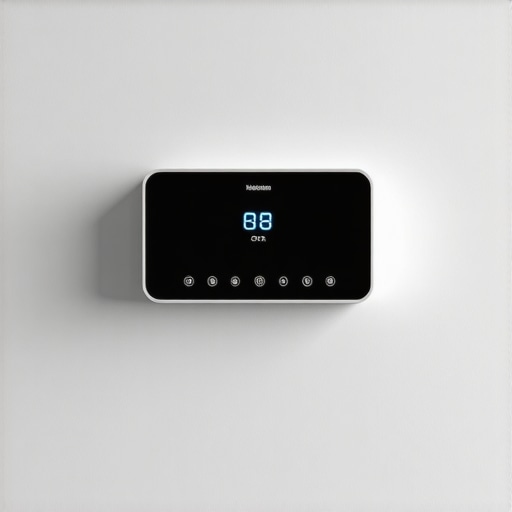
Listen, I’ve spent three decades dragging my tool bag through crawlspaces and balancing on ice-covered roofs in the Northeast, and if there is one thing that drives me absolutely sideways, it is a ‘box-pusher’ selling a humidifier without an automatic humidistat. My old mentor, a grizzled tin knocker named Shorty, used to scream, ‘You can’t cool what you can’t touch, and you can’t humidify what you don’t measure!’ He was right. In our climate zone, where the mercury drops faster than a lead weight in January, moisture control isn’t just about itchy skin; it’s about the structural integrity of your home and the efficiency of your heating system.
“The most expensive equipment in the world cannot overcome a bad duct system or improper controls.” – Industry Axiom
When we talk about humidifier installation, we are really talking about the delicate dance of psychrometrics. Most homeowners think they can just slap a bypass humidifier onto the side of an air handler and call it a day. But if you are still using a manual humidistat—that little dial on your return duct that you have to adjust every time the weather changes—you are asking for trouble. In a cold climate, the outdoor temperature dictates how much moisture your indoor air can actually hold before it hits the dew point on your windows. If it’s -10°F outside and you’ve got your manual dial set to 45%, you aren’t making your house comfortable; you are turning your windows into waterfalls and rotting your wall studs. This is why boiler maintenance services often reveal hidden moisture damage near radiator enclosures; people try to compensate for dry air without any logic-based control.
The Thermodynamic Reality of Latent Heat
In the trade, we talk about ‘Sensible Heat’ (what the thermostat reads) and ‘Latent Heat’ (the energy contained in water vapor). When we perform an oil to gas conversion or upgrade to cold climate heat pumps, the way the system handles moisture changes. Gas furnaces produce a much hotter ‘discharge air’ than heat pumps, which can make the air feel significantly drier. To combat this, we need to add ‘gas’ (refrigerant or fuel energy) to evaporate water. But without an automatic humidistat, which utilizes an outdoor temperature sensor, the system is blind. An automatic control monitors the outdoor ‘ambient temp’ and automatically throttles the humidity levels down as it gets colder to prevent condensation. This is the same level of precision we use during a zoning system installation to ensure every room hit its mark without wasting energy.
I’ve seen it a thousand times: a homeowner calls for an air handler repair because they see water dripping from the ductwork. They think they have a leak. I climb up there, peel back the ‘Pookie’ (mastic), and find that the humidifier has been running 24/7 because the manual dial was set too high. The evaporator pad is scaled over with calcium, and the bypass duct is a swamp. If they had invested in a digital control with a voice control setup Alexa Google integration, they could have monitored their indoor levels from their phone, or better yet, let the outdoor sensor do the thinking for them. It’s about SEER2 compliant upgrades—efficiency isn’t just about the compressor; it’s about the entire envelope of the home. You can learn more about these common oversights in our guide on HVAC repair secrets.
“Ventilation and pressure differentials must be managed to prevent moisture accumulation within the building thermal envelope.” – ASHRAE Standard 62.2
Why Manual Dials are the ‘Sales Tech’ Special
I despise ‘Sales Techs’ who skip the outdoor sensor because it takes an extra 20 minutes to wire it through the rim joist. They’d rather sell you a whole new system than fix the ‘Sparky’ (electrical) and control issues you actually have. When you are looking at radiator replacement or moving toward a dehumidification services plan for the summer, you need controls that understand the ‘Vapor Pressure’ of your home. A manual humidistat is a relic. An automatic humidistat is a brain. It prevents the ‘Short Cycling’ of your humidifier and ensures that when your furnace or heat pump kicks on, the water panel is only energized when there is a real need for moisture. This protects your SEER2 compliant upgrades and prevents the acidic smell of mold from taking over your basement. If your current tech hasn’t mentioned an outdoor sensor, you might be falling for one of the furnace repair myths debunked on our site.
If you are struggling with a system that feels ‘clammy’ or a furnace that just can’t keep up, it might not be the heater at all—it might be the way you are managing the air. For those with specialized setups, check out our mini-split troubleshooting tips here. Whether it is air handler repair or a full humidifier installation, the goal is always the same: comfort through physics, not guesswork. Don’t let a ‘Tin Knocker’ tell you that a manual dial is ‘good enough.’ Your home deserves better. If you’re ready to stop guessing, you can contact us to get the job done right. And for those interested in the long-term health of their systems, our ultimate guide to heat pump maintenance covers the rest of the mechanical anatomy you need to know.