The Anatomy of a November Breakdown
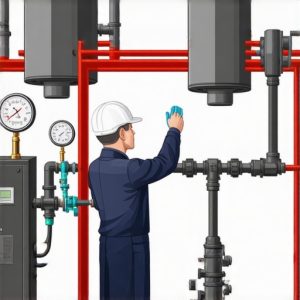
I followed a so-called ‘Senior Comfort Advisor’ last November—which is just fancy industry talk for a Sales Tech with a shiny belt buckle—who had just quoted a local parochial school $42,000 to replace their entire steam plant. He told them the section was cracked because he saw a ‘residue’ on the floor. I walked in, pulled the pigtail off the Pressuretrol, found it clogged with gunk, and cleaned it. Total parts cost? Zero. Labor? Twenty minutes. That ‘cracked’ boiler has been humming along for three more winters. This is the reality of the trade today: if you aren’t paying for a priority membership that buys you a real technician’s eyes, you’re just a target for a commission-hungry kid who wouldn’t know a steam trap from a mousetrap.
The Thermodynamic Reality of Cold-Climate Comfort
In the frozen trenches of the North, we aren’t just moving air; we are managing Phase Change and the aggressive migration of heat. When the temperature drops, your home becomes a sieve. Heat doesn’t ‘leak out’; physics dictates that it migrates toward the cold. To combat this, your heating system—whether it’s a modern heat pump installation or a legacy steam boiler repair candidate—has to work against the stack effect of the house. Most homeowners think a furnace is a binary device: it’s either on or off. But a true technician looks at the wiring repair for heating systems to ensure the sequencer isn’t sticking and that the flue pipe installation is pulling enough draft to prevent the rollout switch from tripping and leaving you in a 40-degree living room at 3 AM.
“Properly sizing equipment is only half the battle; the distribution system must be capable of delivering the energy required to meet the calculated load.” – ACCA Manual J Standards
If you haven’t had HVAC load calculation services performed recently, you’re likely over-firing your equipment. This leads to short-cycling, where the heat exchanger expands and contracts so many times it eventually develops a stress fracture. That is where the ‘Priority Service’ actually pays for itself. It’s not just a ‘tune-up’; it’s an audit of the thermal stresses on your system. We check the leak detector integration to ensure no gas is escaping into your mechanical room and verify that the steam humidifiers aren’t over-saturating the ductwork, which turns your insulation into a soggy, moldy mess. Unlike a swamp cooler maintenance call in the desert where you’re just worried about scale, here we are worried about combustion chemistry and carbon monoxide.
The Math of the Membership: Logic vs. Panic
Let’s talk ‘Pookie’ and tin. A tin knocker can build the best transitions in the world, but if your static pressure is too high because you haven’t changed a filter or your blower motor capacitor is leaking its guts out, the system will fail. Joining a membership program before the first frost isn’t about ‘peace of mind’—it’s about cold, hard math. An emergency HVAC repair on a Sunday night will cost you a ‘truck fee’ that’s often double the price of an annual membership. When I’m out doing school boiler maintenance, I see the difference between proactive care and reactive panic. One costs a few hundred in gaskets and labor; the other costs thousands in burst pipes and emergency plumbing. You can learn more about these pitfalls in our furnace repair myths debunked guide.
Sensory Diagnostics: What We Look For
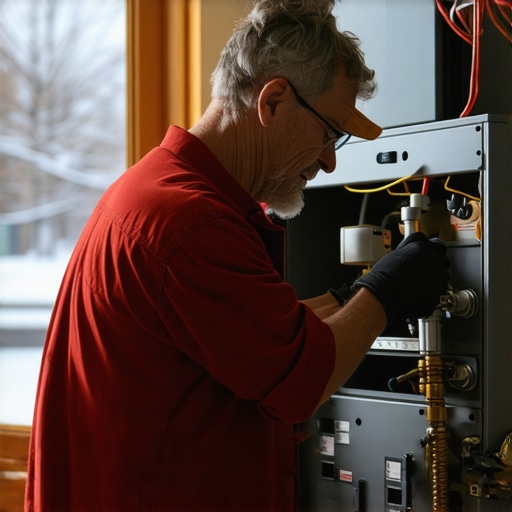
When I walk into a mechanical room, I’m using more than just my multimeter. I’m smelling for that ozone scent of a ‘Sparky’s’ nightmare—a shorting transformer—or the acrid, sour odor of a compressor burnout. I’m listening for the ‘death rattle’ of a dry bearing in an inducer motor. If we catch these during a scheduled visit, it’s a simple fix. If we catch it when the ‘Juice’ (refrigerant) has already migrated and the coil is frozen, you’re looking at a major overhaul. For those with hybrid setups, understanding heat pump maintenance and repairs is critical because those units face a ‘polar vortex’ threat where the defrost board can fail, turning your outdoor unit into a solid block of ice.
“Carbon monoxide is the silent byproduct of incomplete combustion, often caused by improper venting or cracked heat exchangers.” – EPA Section 608 Safety Protocols
We also look at the ‘small’ things that the Sales Techs ignore. Is the condensate drain line pitched correctly? Is the flue pipe installation showing signs of white powdery corrosion (indicating acidic condensation)? Are the steam humidifiers draining properly, or is the solenoid valve stuck open, wasting hundreds of gallons of water? These are the details that separate a ‘blow-and-go’ company from a service partner. Even for specialized equipment like mini-split troubleshooting, the logic remains the same: physics doesn’t care about your brand; it only cares about airflow and thermal transfer. You can find more HVAC repair secrets here to help you understand what’s happening behind the access panel.
Conclusion: The ‘Beer Can Cold’ Philosophy
The old guys used to say if the suction line is ‘beer can cold,’ the AC is fine. In the winter, we look for ‘stack temp’ and ‘CO levels.’ If you want your system to last 20 years instead of 10, you have to treat it like a car. You wouldn’t drive 50,000 miles without an oil change, so why run a furnace for 2,000 hours a year without a pro looking at the burners? Whether you need school boiler maintenance or just a residential check-up, don’t wait for the ice to form on the inside of your windows. Reach out to a professional who cares about the microns and the manometers, not just the commission. Ready to secure your system? Contact us today to learn about our priority options. Check out our privacy policy for details on how we handle your data.