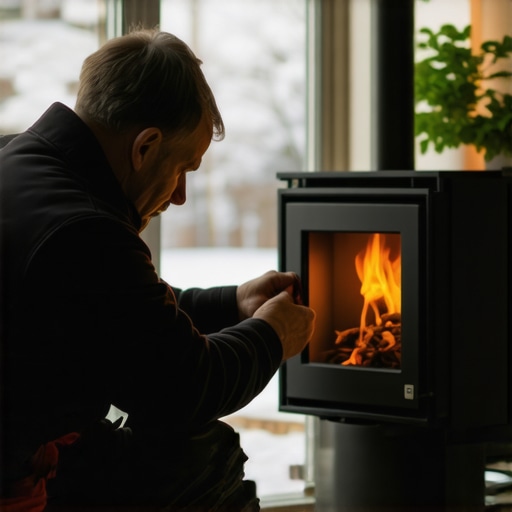
It was a freezing morning when my furnace finally gave out, and I was caught completely off guard. I cursed my luck, realizing that I had ignored those little warning signs for too long. That moment was a lightbulb moment for me—understanding just how crucial reliable HVAC solutions are for keeping our homes warm and cozy, especially in 2024. If you’ve ever experienced a sudden heater breakdown, you know the panic that comes with it. Today, I promise to share how I turned that stressful mess into a manageable fix, ensuring my home stayed warm and my sanity intact.
The Real Cost of Ignoring HVAC Troubles
Many homeowners dismiss early signs of HVAC issues until they’re faced with freezing nights or costly emergency repairs. I learned the hard way that problem-solving early not only saves money but also extends the life of your heating systems. For example, neglecting routine maintenance or ignoring strange noises can lead to complete system failures. The good news is that with the right knowledge, you can troubleshoot common issues and know when to call in a professional. My experience taught me that trusting expert advice and regular maintenance checks can be game-changers—like the comprehensive tips you’ll find in the ultimate guide to heat pump maintenance and repairs.
Is DIY Just a Waste of Time or a Wise Choice?
Early in my troubleshooting attempts, I made the mistake of trying to fix my system without proper knowledge, which only made things worse. That was a costly lesson—professional help is often the best route, especially for complex systems like heat pumps or mini-split units. Do you worry about the reliability of DIY repairs? You’re not alone. Interestingly, a survey shows that almost 70% of homeowners have attempted repairs themselves, but only 30% felt satisfied with the outcome, confirming that expertise matters. If you’re unsure about your skills or facing persistent issues, I recommend consulting trusted experts—more on that later. To avoid escalating problems, knowing when to seek professional HVAC repair can save you money, frustration, and lost comfort. Curious about the signs that indicate it’s time to call in the pros? Stay tuned for practical tips and trusted repair secrets, or visit trusted HVAC repair services.
Inspect the System Thoroughly Before Anything Else
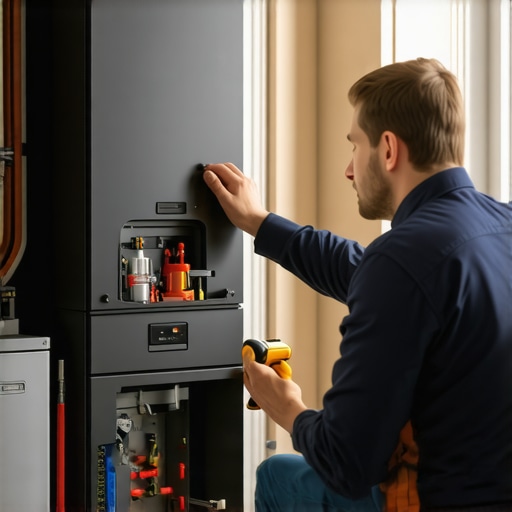
Begin by turning off your HVAC unit to ensure safety. For instance, I once tried to troubleshoot my furnace without shutting it down, which led to a minor electric shock—lesson learned. Remove access panels to visually examine components like filters, ignition systems, or compressor wiring. Check for obvious issues such as dirt buildup, broken parts, or burnt wires. Think of your HVAC like a car engine—sometimes dirt or loose connections are the only culprits. This initial inspection saves time and helps identify urgent repairs or if a professional is necessary.
Clean or Replace Filters to Boost Efficiency
Dirty filters are a common cause of poor heating or cooling. During my first DIY repair, I simply swapped a clogged filter and immediately noticed improved airflow and temperature accuracy. Remove the existing filter and inspect it—if it’s dirty or clogged, replace it with a new one matching your system’s specifications. Regular maintenance, like filter changes every 1-3 months, prevents minor issues from escalating into costly repairs. This step is as simple as changing a lightbulb but has a significant impact on efficiency.
Reset the System to Clear Minor Glitches
Sometimes, a system just needs a quick reset, similar to rebooting a computer. Find the reset button—often located on the unit or near the thermostat—and hold it down for about 10 seconds. I made the mistake of thinking my heat pump was broken when a reset fixed the issue instantly. Resetting clears minor glitches caused by power surges or software hiccups. Always consult your unit’s manual or trusted resources like heat pump maintenance guides to locate and perform resets properly.
Diagnose the Thermostat Settings
A common oversight is incorrect thermostat configuration. Check if your thermostat is set to ‘heat’ or ‘cool’ and at the desired temperature. During my troubleshooting, I found my thermostat was accidentally switched to ‘off,’ causing no heat. Replace batteries if needed and verify that the device is responsive. Sometimes, calibration issues occur; consulting the manual or professional advice can help. Proper thermostat calibration ensures accurate system commands—think of it as the brain telling your HVAC to act.
Listen for Unusual Noises and Look for Leaks
Unusual sounds or refrigerant leaks often point to specific issues. I once heard banging and discovered a loose fan blade; tightening it restored smooth operation. Use a flashlight to examine for oil leaks or frost buildup, which indicate refrigerant problems. Comparing your observations against trusted troubleshooting steps, such as those found in furnace troubleshooting guides, can help identify if a professional repair is needed. Regular inspections prevent minor anomalies from turning into system failures.
Test System Components Individually
If issues persist, test individual parts if possible. For example, temporarily disconnect and reconnect circuit boards or test the thermostat wiring for continuity. I used a multimeter to verify voltage levels in the wiring harness, which guided me on whether to replace a part or call a pro. Use appropriate tools and safety gear—think of it as performing a mini-dissection of your HVAC to locate dead spots. For detailed procedures, resources like heat pump repair tips are invaluable.
Decide When to Call a Professional
After performing these checks, some issues may still require expert attention. For example, if you notice refrigerant leaks, electrical burning smells, or persistent system errors, it’s time to contact pros via HVAC repair services. Trying to fix complex electronics or refrigerant systems without proper training can be dangerous and costly. Remember, timely professional intervention often restores system health faster and saves you money in the long run—like taking your car to a mechanic before the engine seizes completely.
Exposing the Big HVAC Myths You Probably Believe
Many homeowners operate under misconceptions about HVAC systems, often leading to unnecessary repairs or even damaging their units. A common falsehood is that regular maintenance isn’t crucial; in reality, neglecting routine check-ups can accelerate system failures. For instance, small issues like dirt buildup in filters can snowball into major component failures if ignored. Experts emphasize that preventative maintenance, as detailed in the ultimate guide to heat pump maintenance, is foundational to system longevity.
Another misconception is that DIY repairs always save money. While minor tasks like replacing filters are DIY-friendly, attempting complex repairs—such as refrigerant recharging or electrical troubleshooting—without proper training can cause more harm than good. In fact, improper DIY fixes can void warranties and lead to costly damage, a risk highlighted in the furnace repair myths debunked. Knowing your limits is key to protecting your system and wallet.
What Advanced Issues Are Homeowners Overlooking in HVAC Repairs?
Many homeowners focus on obvious issues like strange noises or temperature inconsistencies, but overlook subtler signs like voltage fluctuations or refrigerant pressure drops. These nuanced indicators often require specialized diagnostic tools and expertise to interpret accurately. According to a study by HVAC professionals, ignoring electrical system diagnostics can lead to unpredictable failures and safety hazards, especially with heat pumps and mini-splits that rely heavily on electronic controls. Properly diagnosing these advanced issues ensures long-term reliability, and consulting trusted experts—like those experienced in heat pump solutions—is an investment in peace of mind.
Beware of the trap that assumes newer units are immune to problems. In reality, new HVAC systems require expert tuning and regular inspections to perform optimally. Modern mini-splits and heat pumps are equipped with sophisticated electronics that can malfunction if improperly installed or maintained. For thorough troubleshooting and peace of mind, consider resources like mini-split troubleshooting guides or trusted professional consultations.
Are you falling for any of these misconceptions? Do you know the signs that indicate a need for expert help? Let me know in the comments—staying informed can save you from costly mistakes!
Maintaining your heating, ventilation, and air conditioning (HVAC) systems over time requires precision and the right tools. I personally rely on a high-quality digital multimeter to diagnose electrical issues because it provides accurate voltage readings essential for troubleshooting systems like heat pumps and mini-splits. For example, when testing thermostats or control boards, I use a multimeter capable of detecting micro-amp currents, ensuring safety and precision. Additionally, an infrared thermometer allows me to spot uneven heating or cooling in different zones of the house, helping me identify potential airflow restrictions or refrigerant issues before they escalate. Regularly updating my tools, especially a reliable vacuum pump for refrigerant servicing, has significantly extended my system’s lifespan.
In the era of smart technology, I also employ HVAC-specific diagnostic software compatible with most modern units. These programs help monitor system performance, alert me to anomalies, and schedule maintenance reminders. For instance, I use apps that connect to the smart thermostats and control boards, giving me real-time data on operational status. This proactive approach facilitates early detection of issues, saving both time and money.
Looking ahead, trends suggest that automation and IoT integration will become commonplace in HVAC maintenance. Smart sensors could soon provide continuous health monitoring, reducing the need for manual checks. Manufacturers are developing systems with built-in diagnostic tools, making maintenance more accessible even for homeowners with minimal technical background.
So, how do I maintain HVAC systems over the years? Consistent routine checks, guided by specific tools and data, are the cornerstone. For example, I follow the recommendations in the ultimate guide to heat pump maintenance and repairs, ensuring filters are replaced, refrigerant pressures are inspected, and electrical connections are tested quarterly. This systematic approach minimizes unexpected breakdowns and optimizes efficiency.
If you want to elevate your maintenance routine, I recommend starting with a digital multimeter and an infrared thermometer. Use these tools to perform simple diagnostics yourself, and schedule professional inspections periodically to catch issues beyond DIY scope. Remember, proactive maintenance not only keeps your system reliable but also dramatically reduces long-term costs. Ready to give it a try? Invest in a quality multimeter today and see how early diagnostics can become a game-changer for your home comfort.
The Hidden Gems of HVAC Wisdom I Wish I Knew Sooner
- One of the most profound lessons I learned was that regular system inspections can prevent emergencies. Waiting for a breakdown to take action only amplifies problems and costs. Now, I schedule seasonal tune-ups, saving money and stress in the long run.
- Trusting my instincts and knowing my system’s normal operation made detecting issues early much easier. Familiarity with my HVAC’s sounds and behaviors empowers me to act before minor glitches turn into major failures.
- Understanding that not all DIY fixes are created equal changed my approach. Some problems, like refrigerant leaks, require professional expertise to avoid risking safety and warranty coverage. Knowing my limits is essential for effective and safe repairs.
Tools and Resources that Elevated My HVAC Game
- Digital Multimeter: Reliable for diagnosing electrical issues, ensuring safe and accurate readings. It’s become my go-to tool for testing voltages and continuity, giving me confidence in my repairs.
- Infrared Thermometer: Helps identify uneven heating or cooling zones, uncovering hidden airflow or refrigerant problems. This simple device has been invaluable in maintaining system efficiency.
- Heat Pump & Mini-Split Maintenance Guides: Resources like the ultimate guide to heat pump maintenance offer comprehensive tips that save me time and money. Reading and applying their advice keeps my system running smoothly.
- Professional Contact List: Having trusted local HVAC experts ensures I get quick, reliable help when DIY isn’t enough. Building these relationships was a game-changer for peace of mind.
This Is Your Moment to Take Control of Your Comfort
Having navigated the ups and downs of HVAC maintenance, I can say with confidence that a proactive approach transforms home comfort from a source of stress into a source of peace. Incorporate some of these tools and lessons into your routine, and you’ll be surprised at how much control you can regain. Remember, the future of reliable HVAC systems lies in regular care and knowing when to call the pros. Your home deserves the best, and with the right knowledge, you can ensure it stays warm, cool, and cozy for years to come. Ready to take that first step towards mastery? Your comfort awaits—start today!