The Sound of a 100,000 BTU Mistake
It was a Tuesday in January, 3:00 AM, and the thermometer on the porch was hovering at a bone-chilling -5°F. My old mentor, a man who had more soot in his lungs than a Victorian chimney sweep, used to scream at me over the roar of a draft inducer: ‘You can’t cool—or heat—what you can’t touch! If the air ain’t moving across the heat exchanger, you’re just burning money to make noise!’ He was right. Most people think a bigger furnace means a warmer house. They’re wrong. They’re buying a monster that will choke their ductwork, crack their heat exchanger in five years, and leave them shivering when the control board diagnostics throw a ‘high limit’ code. This is why we use Manual J. It isn’t just paperwork; it is the physics of survival.
“Manual J is the only recognized standard for calculating the heat loss and heat gain of residential structures… failure to perform these calculations leads to oversized equipment and degraded comfort.” – ACCA Manual J Standard
The Forensic Diagnosis: Anatomy of a Short-Cycling Disaster
When I walk into a mechanical room and see a massive 120,000 BTU furnace strapped to a duct system designed for a 60,000 BTU blower, I know exactly what I’m going to find. The static pressure testing usually tells the tale: the system is gasping for air. It’s like trying to run a marathon while breathing through a cocktail straw. The furnace fires up, the heat exchanger reaches 180°F in seconds because there isn’t enough airflow to pull the heat away, and the safety switch trips. That’s ‘short cycling.’ It murders your efficiency and fries your modulating furnace repair budget before the warranty even expires. You don’t need ‘more’ furnace; you need the right furnace. If you are struggling with a system that won’t stay on, check out these hvac repair secrets to understand how airflow affects your bottom line.
Thermodynamic Zooming: How Heat Loss Actually Works
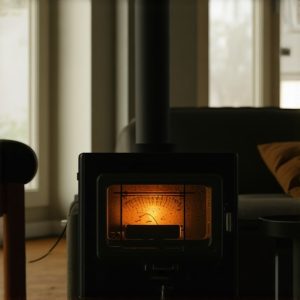
In the North, our enemy is sensible heat loss. Your house is a sieve. Every window, every crack in the rim joist, and every poorly sealed fireplace insert service is a leak where your expensive BTU-laden air is escaping. A Manual J calculation doesn’t just look at square footage—that’s a ‘Sales Tech’ move. We look at the R-value of your attic insulation, the U-factor of your windows, and the orientation of your home to the winter wind. We calculate the ‘load.’ If we find your house loses 45,000 BTUs per hour at the design temperature, why on earth would we put in a 100,000 BTU furnace? All it does is blast the house with hot air, satisfy the thermostat in five minutes, and shut off, leaving the back bedrooms like iceboxes because the air didn’t have time to circulate.
The Static Pressure Crisis and the Tin Knocker’s Revenge
Air is a fluid. It has weight and resistance. When a tin knocker builds your ducts, they are designing a highway for that fluid. If we upgrade your furnace without checking the static pressure, we’re asking for trouble. High static pressure leads to blower motor failure and excessive noise. I always tell homeowners: ‘Pookie’ (mastic) is your best friend. Sealing those duct leaks with real mastic is a thousand times better than that silver tape that peels off in three years. Proper static pressure testing ensures that your MERV filter upgrades won’t actually choke your system to death. If you’ve been told your furnace is ‘just old,’ make sure you aren’t falling for furnace repair myths before you sign a check for ten grand.
“The most expensive equipment in the world cannot overcome a bad duct system.” – Industry Axiom
AI-Driven HVAC Optimization and the Modern Control Board
We aren’t just twisting wires anymore. Modern thermostat wiring upgrades and AI-driven HVAC optimization mean your furnace is now a computer that happens to burn gas. We’re looking at demand-controlled ventilation and occupancy sensor installation to ensure we aren’t heating an empty basement. But all that tech relies on one thing: a correct control board diagnostic. If your tech doesn’t know how to read a multimeter or check for flame rectification, they aren’t a tech; they’re a parts changer. When I see a scorched 24v transformer, I don’t just replace it—I find the short in the thermostat wiring upgrade that caused it.
The Repair vs. Replace Math: When to Pull the Plug
If you’re looking at a $1,200 modulating furnace repair on a 15-year-old unit with a 20-year heat exchanger warranty, you’re in the ‘danger zone.’ Cracks in the heat exchanger are the silent killers—literally. I’ve smelled that sweet, metallic scent of incomplete combustion too many times. If the furnace tune-up services reveal even a hairline fracture, the unit is scrap. Carbon monoxide doesn’t care about your budget. This is where Manual J saves you again. If you choose to replace, you can right-size the unit, potentially saving 30% on your monthly gas bill. If you’re using a heat pump in a dual-fuel setup, read our ultimate guide to heat pump maintenance to see how they pair with gas backup.
The Final Word on Comfort Physics
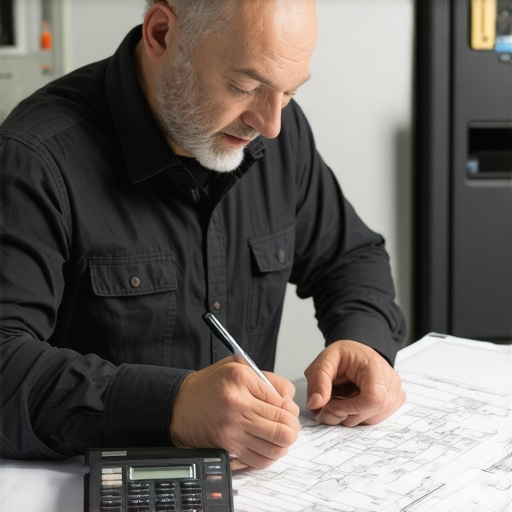
Don’t let a ‘Sparky’ or a Sales Tech talk you into a ‘deal’ on a furnace they happen to have in the truck. If they don’t pull out a laptop or a tablet and run a Manual J, they are guessing. And in the HVAC world, a guess is just an expensive way to be uncomfortable. Proper sizing, demand-controlled ventilation, and regular furnace tune-up services are the only ways to ensure your home survives the next polar vortex without breaking the bank. For help with your specific setup, you can always contact us to get a real tech out there, not a salesman in a clean uniform.