I remember the cold dread I felt one winter night when my furnace suddenly went silent, leaving my home colder than the outdoors. That moment was a lightbulb flickering—realizing just how fragile our comfort can be without proper HVAC maintenance and reliable repairs. It’s not just about fixing a broken system; it’s about ensuring consistent warmth and coolness that makes a house truly feel like home. If you’ve experienced a sudden breakdown or just worry about your HVAC’s aging performance, know you’re not alone. Today, I want to share a proven approach that’s helped me—and countless others—achieve lasting home comfort through trusted repair results.
The Heart of Your Home’s Comfort Depends on Reliable Repairs
Have You Faced Unexpected HVAC Failures?
Many homeowners, including myself early on, fall into the trap of ignoring small signs of trouble or postponing repairs. That’s a costly mistake. Timely, expert repairs prevent minor issues from spiraling into major breakdowns, saving money and reducing stress. Think about it: a mini-split system or heat pump that’s maintained properly can last years longer and operate more efficiently. The key isn’t just fixing things when they break but adopting a reliable repair approach that keeps your system in tip-top shape.
Of course, I learned this the hard way. My first attempt at troubleshooting meant I replaced parts blindly, which only delayed the inevitable and burned a hole in my wallet. The truth is, many early mistakes come from a lack of understanding or trusting unqualified technicians. For a long-lasting solution, it’s crucial to know common pitfalls and how to avoid them.
Interested in making sure your HVAC system isn’t a ticking time bomb? Discover why choosing a trustworthy repair service is vital. For some clear insights, check out our guide on [trusted HVAC repair results for lasting comfort](https://chillyprohvac.com/trusted-hvac-repair-results-for-lasting-comfort-2024) — a resource I wish I had from the start.
By setting a solid foundation now, you can prevent emergencies and keep your home’s climate just right—warm in winter, cool in summer. Up next, let’s get into the practical steps to identify issues early, choose the right professionals, and maintain your system for long-term peace of mind.
Diagnose Before You Fix
Start by identifying the issue clearly. Think of your HVAC system as a car; you wouldn’t just replace parts blindly. Listen for unusual noises, feel for inconsistent temperatures, and check for leaks or strange odors. For example, I once noticed my heat pump making grinding sounds. Instead of panicking, I turned off the system, consulted professional troubleshooting guides, and scheduled an inspection. This approach prevented further damage and saved me money. Accurate diagnosis is crucial to avoid unnecessary repairs or creating bigger problems.
Choose Skilled Technicians Carefully
Don’t settle for the first name that pops up. Look for licensed, experienced professionals with good reviews—much like choosing a doctor. Verified technicians understand system intricacies—whether it’s a furnace, heat pump, or mini-split. I learned this firsthand when I hired a specialist who knew the nuances of furnace repair. Their skill ensured a quick fix, restored efficiency, and prolonged system life. Always check credentials and previous customer feedback before calling a repair service.
Prepare Your System for Expert Repairs
Before technicians arrive, clear access to the units and note any visible issues. Think of it as helping a mechanic do their job more efficiently. For instance, I cleared the area around my indoor unit and documented unusual behaviors, which helped technicians diagnose faster. This preparation reduces service time and ensures nothing is overlooked. Additionally, ask about the repair scope and get an estimate upfront—transparency prevents surprises.
Implement Regular Maintenance Routines
Maintenance isn’t a one-time deal; it’s ongoing. Schedule biannual checkups, much like a health exam for your system. During these visits, technicians inspect components, replace filters, and lubricate moving parts. I adopted this routine after experiencing a sudden failure during peak season. Following a maintenance checklist, my system ran smoothly, and I avoided emergency repairs. Preventative care significantly reduces the risk of breakdowns and extends equipment lifespan.
Monitor System Performance Regularly
Stay vigilant about your HVAC’s health between professional checkups. Use smart thermostats or simple observations like watching for uneven temperature distribution or higher utility bills. Once, I noticed my electricity bill spiked unexpectedly. After checking, I realized my system was overworking due to clogged filters. Immediate action, including replacing filters and scheduling a professional inspection, restored efficiency. Regular monitoring allows early detection of potential issues, saving money and stress.
Stay Informed and Seek Expert Advice
Educate yourself about your system’s common problems and solutions. Resources like trusted repair guides empower you to make informed decisions. When in doubt, consulting experts ensures proper resolution. Remember, DIY fixes that are improperly performed can worsen the situation, so always weigh risks carefully.
Many homeowners believe that diagnosing HVAC issues is straightforward—just identify the problem, replace the faulty part, and proceed. However, this simplistic view overlooks several nuanced realities. One common myth is that all heat pumps, furnaces, and mini-split systems are created equal, leading many to apply generic repair tactics that fall short in improving efficiency and longevity. In reality, each system type contains intricate components and system-specific best practices that require a deep understanding. For instance, a heat pump’s defrost cycle nuances significantly impact its performance, and neglecting this can cause premature failure, contrary to popular belief that regular cleaning alone is sufficient. Studies by HVAC experts highlight that system-specific nuances are often the root cause of recurring issues, emphasizing the importance of tailored maintenance routines. An advanced mistake many make is postponing detailed diagnostics after initial repairs, assuming superficial fixes solve underlying issues. This oversight often results in repeated breakdowns, increased costs, and reduced comfort. Instead, a comprehensive diagnosis that considers system age, usage patterns, and environmental factors is crucial. Additionally, many think that DIY solutions or quick fixes are adequate—yet, improper repairs can exacerbate problems and void warranties, which is a costly trap. Consulting trusted professionals and understanding the system’s unique requirements helps prevent this. To avoid these pitfalls, consider exploring advanced guides like the ultimate heat pump repair manual. Remember, the key to lasting HVAC performance isn’t just quick fixes, but mastering the system’s subtle nuances. Make sure your repairs address the core intricacies for true efficiency and durability. Have you ever fallen into this trap? Let me know in the comments.
How do I maintain my HVAC system over time?
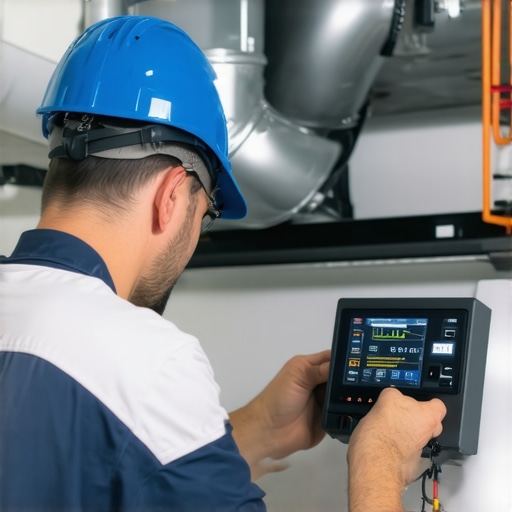
Maintaining your HVAC system isn’t just about initial service; it involves a combination of the right tools, consistent routines, and proactive monitoring. Personally, I recommend investing in a high-quality digital manifold gauge set, such as the Testo 550 digital manifold. I use it because it allows me to accurately measure pressure and refrigerant charge levels during maintenance, ensuring optimal system efficiency. This precision helps prevent minor issues from escalating into costly repairs, especially when dealing with heat pumps or mini-splits that require careful refrigerant management.
In addition to gauges, I rely on an infrared thermometer to quickly diagnose temperature inconsistencies across vents and coils. For example, during routine checkups, I use the Fluke TempGun because it provides instant readings, helping me identify airflow blockages or frozen coils early. These tools are essential for diagnosing inefficiencies before they lead to breakdowns.
When it comes to software, I utilize HVAC diagnostic apps like HVAC Check Pro which guide me through step-by-step troubleshooting procedures. The ability to reference diagnostic checklists on-site minimizes guesswork and ensures I perform repairs correctly the first time, prolonging system life.
Predicting future trends, I believe that integrating IoT (Internet of Things) sensors will become commonplace, providing real-time data on system performance and alerting homeowners of potential issues before they occur. Embracing these emerging tools now can save considerable time and money down the road.
What advanced tips can help extend your HVAC’s lifespan?
One practical yet often overlooked tip is performing a detailed refrigerant charge check during maintenance. Unlike simple visual inspections, precise refrigerant management can improve efficiency and prevent compressor failures. For DIY enthusiasts, investing in a service manifold with quick-connect couplers simplifies this process, making professional-grade maintenance more accessible. I recommend reading about advanced maintenance tactics in the Ultimate Guide to Heat Pump Maintenance and Repairs for comprehensive methods.
Remember, consistent use of these specialized tools not only maintains system performance but also builds your confidence as a homeowner capable of managing minor issues proactively. Don’t hesitate to try out a digital manifold gauge or remote monitoring apps yourself. These investments pay off by catching problems early, avoiding emergency repairs, and ensuring your system operates at peak efficiency for years to come. For expert assistance or more detailed guidance, contact us through our contact page.
What I Wish I’d Known When I Started Fixing HVAC Systems
One of the hardest lessons I learned was the importance of truly understanding each component’s unique role. It’s tempting to see repairs as simple swaps, but without grasping system intricacies—like the defrost cycle of a heat pump—you risk recurring issues. Patience and continuous learning became my best allies in mastering reliable repairs.
Why Cutting Corners Cost Me More Than I Expected
I used to skip detailed diagnostics, thinking quick fixes would suffice. That approach led to repeated breakdowns and frustration. Now, I know that thorough troubleshooting—using tools like a digital manifold gauge—can save time, money, and ensure lasting results. Trusting the process is key to durable home comfort.
How Ignoring Routine Maintenance Could Undermine Savings
Ignoring scheduled tune-ups seemed harmless until a small coil freeze turned into a costly repair. Regular maintenance, like replacing filters and checking refrigerant levels, isn’t just upkeep—it’s an investment in your system’s longevity. It’s a simple step that pays dividends in efficiency and peace of mind.
Personal Reflection: The Value of Expert Guidance Over DIY Guesswork
Early in my journey, I believed I could handle repairs with online guides alone. A costly misdiagnosis taught me the value of trusted professionals. When I hired certified technicians who understood the nuances—like system-specific defrost cycles—the results were phenomenal. Never hesitate to seek expert advice when needed; it’s a smart move for lasting comfort.
More Than Just Repairs—Building Confidence in Your HVAC Knowledge
Over time, I realized that understanding system nuances turns repairs into opportunities for proactive care. Participating in online courses and reading trusted resources—like our ultimate heat pump maintenance guide—empowered me to troubleshoot better and communicate effectively with technicians. This confidence transformed my approach from reactive to proactive.