The Anatomy of the Death Rattle: Why Your Furnace Won’t Shut Up
If you have spent as much time as I have in dark, freezing mechanical rooms in the middle of a January blizzard, you develop a sixth sense for sounds. A healthy furnace should have a low-frequency hum, a reassuring sound of combustion and air movement. But when that hum turns into a metallic chatter, a rhythmic thumping, or a high-pitched screech, it is your system screaming for help. Most homeowners ignore a vibrating furnace cabinet until the heat stops altogether, usually at 3 AM on the coldest night of the year. I have seen it a thousand times: a minor vibration that could have been fixed with a nut driver ends up causing a limit switch replacement because the heat couldn’t escape the heat exchanger fast enough.
I remember following one of those ‘Sales Techs’ last winter—the kind of guy who wears a crisp white shirt and carries a tablet but doesn’t have a speck of grease under his fingernails. He had quoted a homeowner in a drafty old colonial nearly $18,000 for a full system replacement. His reason? ‘The cabinet is structurally compromised and vibrating, which indicates a cracked heat exchanger.’ It was a total lie. I walked in, listened for ten seconds, and realized the blower wheel was just out of balance because it was caked in five years of pet hair. A $200 cleaning job saved that homeowner from a predatory sales tactic. You can read more about these kinds of industry tall tales in our furnace repair myths debunked guide. Understanding the difference between a mechanical failure and a simple resonance issue is the first step in not getting scammed.
“The most expensive equipment in the world cannot overcome a bad duct system or an imbalanced blower assembly.” – Industry Axiom
Thermodynamic Zooming: Why Vibration Kills Efficiency
To understand the rattle, you have to understand the physics of air. Your furnace is essentially a massive heat exchanger that uses a blower motor to move air across hot metal surfaces. If the airflow is restricted, the static pressure inside the cabinet rises. Think of it like a balloon trying to pop. This high static pressure causes the sheet metal to ‘pant’ or flex. When the metal flexes, any loose screw or slightly misaligned panel begins to chatter against the frame. This isn’t just a noise issue; it’s an efficiency killer. High static pressure forces the motor to work harder, pulling more amps and eventually leading to a contactor repair or a burnt-out capacitor.
In cold climates like the Northeast or Chicago, the metal in your furnace undergoes extreme thermal expansion and contraction. When the burners kick on, that 100,000 BTU flame heats the heat exchanger to several hundred degrees in seconds. If the cabinet panels aren’t secured or if the gas line installation for furnaces wasn’t done with proper vibration isolation, you get a harmonic resonance that can be heard three floors up. This is particularly problematic in church heating systems where massive duct spans act like a megaphone, carrying every little tick and rattle throughout the sanctuary.
The Forensic Diagnosis: Finding the Source
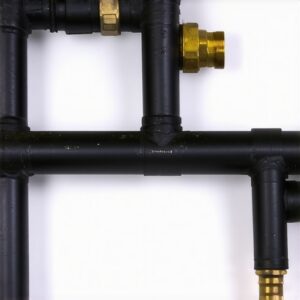
When I’m on a service call, I start by ‘listening’ with my hands. I’ll press on different parts of the furnace cabinet while it’s running. If the rattle stops when I press on the blower door, I know the latch is loose. If it stops when I touch the return air drop, I know the tin knocker who installed the ductwork didn’t use enough ‘Pookie’ (mastic) or S-cleats to keep things rigid. Sometimes, the vibration is actually coming from the gas line. If a gas line installation for furnaces uses a long run of corrugated stainless steel tubing (CSST) without enough strapping, the flow of gas can create a high-pitched hum that vibrates the furnace cabinet.
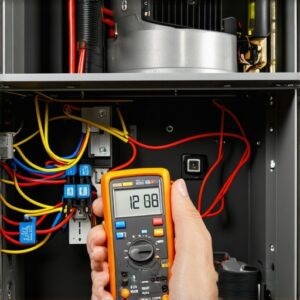
Another common culprit is the blower motor itself. If the motor’s rubber isolation grommets have dried out and cracked, the mechanical vibration of the spinning motor transfers directly to the steel cabinet. This is why an annual heating inspection is non-negotiable. We check those grommets, we balance the wheel, and we ensure the motor isn’t pulling excessive ‘juice’ (amperage). If the vibration is severe enough, it can actually vibrate the wires loose from the control board, leading to an emergency service call for a limit switch replacement or a failed transformer.
“All fuel-burning appliances shall be installed such that they do not create a hazard or cause damage to the building’s structural integrity through excessive vibration.” – NFPA 54 / National Fuel Gas Code
The Solution Matrix: How to Quiet the Beast
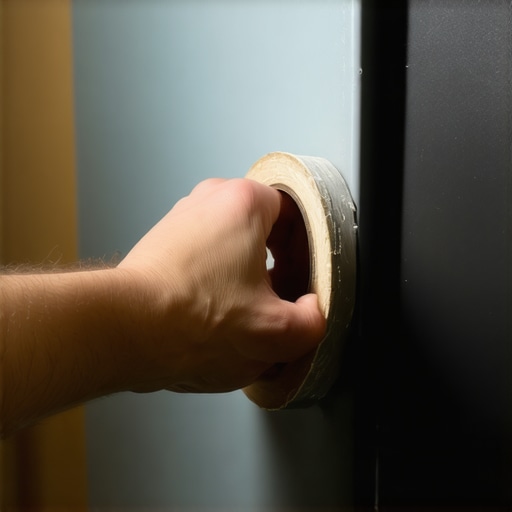
If you’re tired of your furnace sounding like a jet engine taking off, here is the technical roadmap to silence. First, check your filters. A clogged filter is the primary cause of high static pressure. When the blower can’t ‘breathe,’ it creates a vacuum effect that pulls on the cabinet walls. If your filter is clean and it still rattles, it’s time to look at the mechanicals. We often install high-density foam tape between the panels and the frame to create a thermal and acoustic break. For larger systems, especially in new construction heating design, we use canvas duct connectors (vibration isolators) to decouple the furnace from the metal ductwork.
If the rattle is a metallic ‘clink,’ check the limit switch and other internal components. Sometimes a mounting bracket for a contactor repair has come loose, allowing the electrical component to bounce against the side of the vestibule. If you have geofencing temperature control, your system might be cycling more frequently to maintain a precise setpoint. This constant starting and stopping puts extra stress on the mounting hardware. You might also want to look into rebate application assistance for upgrading to a variable-speed blower motor. These motors ramp up slowly, avoiding the sudden ‘thump’ of a single-stage motor kicking on at 100% capacity.
The Role of Airflow and Maintenance
Don’t forget the peripherals. A clogged dryer vent cleaning isn’t just a fire hazard; in many utility rooms, the dryer and furnace share a small space and restricted airflow in the room can affect furnace combustion stability. If you have an older home with baseboard heater repair needs, you might be tempted to over-fire your furnace to compensate, which leads to overheating and more cabinet expansion noise. For those with hybrid setups, checking our ultimate guide to heat pump maintenance can help you understand how the air handler behaves differently than a gas furnace.
Ultimately, a quiet furnace is a happy furnace. If you’ve tightened every screw and the rattle persists, you might have an internal balance issue that requires a pro. You can always reach out via our contact us page for a diagnostic. Don’t let a small rattle turn into a $15,000 ‘Sales Tech’ nightmare. Most of the time, the fix is just a matter of physics, a little bit of Pookie, and the experience to know where to look. For more pro-level advice, check out our HVAC repair secrets to keep your system running silently and efficiently all winter long.