The Chattering Ghost in the Machine: Decoding Furnace Noises
When the dead of winter hits a northern climate, the silence of a house is your best friend. But when that silence is broken by a rhythmic, metallic clicking or a high-pitched 60Hz buzz emanating from your furnace cabinet, you are listening to the death rattle of a contactor. I have spent three decades in crawlspaces and mechanical rooms, and I can tell you that most homeowners ignore this sound until they are calling for emergency heating repair at 3 AM on a Tuesday. This sound is not just a nuisance; it is the physical manifestation of electrical arcing and mechanical failure. My old mentor, a grizzled tin knocker named ‘Sarge’ who could size a duct system with a pencil stub on a piece of cardboard, used to grab my shoulder and say, ‘You can’t command the heat if you can’t command the current!’ He was right. That contactor is the gatekeeper of your system’s power, and when it starts to ‘sing,’ your system is on borrowed time.
“Designers shall ensure that control circuits are capable of providing the necessary voltage to engage contactors without excessive voltage drop, preventing premature component wear.” – ACCA Manual S
The Forensic Diagnosis: Why Your Contactor is Screaming
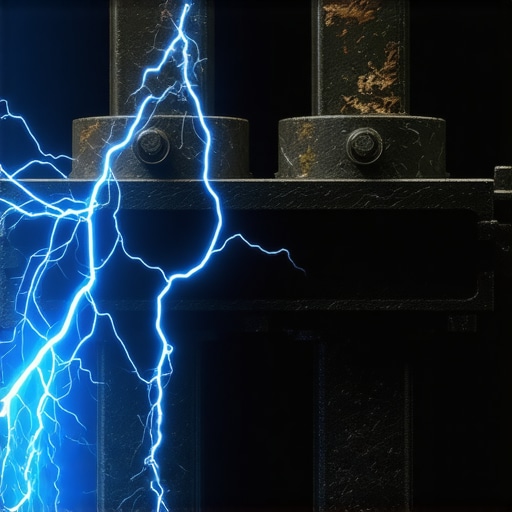
A furnace contactor is essentially a heavy-duty relay. It uses a 24V signal from your thermostat to energize an electromagnetic coil, which pulls down a metal bridge to complete the high-voltage circuit (120V or 240V) to your inducer motor, blower, or compressor. When you hear a rapid-fire clicking, it’s often ‘chattering.’ This happens when the magnetic field isn’t strong enough to hold the bridge down, causing it to bounce against the stationary contacts. This creates heat—intense, localized heat. I’ve seen contactors where the plastic housing has literally melted into a puddle because the homeowner thought the ‘buzzing’ was just part of the furnace’s personality. This electrical arcing pits the silver-plated contacts, increasing resistance. In the world of thermodynamics, resistance equals heat, and heat is the enemy of every ‘Sparky’ and HVAC tech in the field. If you are hearing this, it is time to look into hvac repair secrets to understand how simple electrical maintenance prevents total system collapse.
Climate Logic: The Cold Front and Steam Boiler Realities
In northern zones where we deal with sub-zero temperatures, the demands on our heating equipment are brutal. Whether you are dealing with a standard forced-air system or a specialized steam boiler repair, the control logic remains the same. A failing contactor in a steam system might prevent the burner from firing, leading to frozen pipes within hours. We also see this in garage heater installation projects where the unit is exposed to more dust and debris; that grit gets into the contactor’s armature, preventing a clean seal and causing that signature ‘hum.’ It’s the same physics that dictates why attic insulation for heating is so critical—the less your unit has to cycle, the fewer ‘hits’ that contactor takes. Every time your thermostat calls for heat, that contactor slams shut. If your house is drafty, it cycles fifty times a day instead of twenty, effectively cutting the component’s lifespan in half.
The 2025 Regulatory Cliff: R-454B and Your Future System
We are currently facing the R-454B refrigerant transition services era. As the industry moves away from R-410A, the new A2L refrigerants (which are ‘mildly flammable’) require even more precise electrical controls and sensors. A chattering contactor in an R-454B system isn’t just an efficiency drain; it’s a potential safety hazard if it’s near a leak point. This is why zoning system installation has become so popular; it allows for more granular control, but it also adds complexity to the low-voltage wiring. If your ‘Juice’ (refrigerant) is the lifeblood, the contactor is the valve. When we perform a flue pipe installation or a furnace overhaul, we always check the amperage draw of the contactor coil. If it’s pulling more than its rated VA, it’s pulling the whole system toward a lockout. You can learn more about these common myths in our guide on furnace repair myths.
“All electrical connections must be verified for torque and integrity to prevent high-resistance junctions that lead to component failure.” – ASHRAE Standard 15
The Airflow Manifesto: Beyond the Buzz
I despise ‘Sales Techs’ who try to sell a whole new furnace because a contactor is buzzing. That’s a scam. However, if that contactor failure was caused by a blower motor working too hard due to a clogged filter or poor evaporative cooler services maintenance, then the root cause is airflow. Airflow is king. If the motor is pulling high amps (over-amping), it puts stress on the contactor. This is why I always check the static pressure. We might even suggest solar thermal heating integration or a hybrid approach to take the load off the primary furnace. And for those with specialized needs, like spa heater services, the contactor is often the first thing to go because of the high moisture environment. If you’re unsure, check out our heat pump maintenance guide to see how similar components function in cooling mode. Don’t wait for the ‘clack’ to turn into a ‘pop.’ If you hear the buzzing, it’s time to contact us before the frost sets in on the inside of your windows. Maintenance is cheaper than a ‘Sparky’ coming out to replace a burnt-out transformer at midnight. Remember: Pookie (mastic) fixes leaks, but only a new part fixes a fried contactor.