The Diagnostic Autopsy of a Weeping Vent
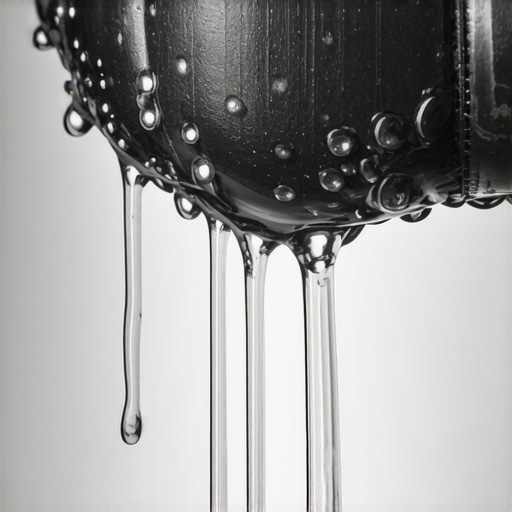
I’ve spent three decades in the frozen trenches of the Northeast, crawling through crawlspaces that would make a claustrophobic monk weep, and if there is one thing that gets my blood boiling more than a Tin Knocker who can’t use a level, it’s seeing a furnace flue pipe dripping water like a leaky faucet. You see that moisture streaking down the side of your inducer housing or pooling on the floor, and you think, ‘It’s just a little water.’ Wrong. That water is the acidic byproduct of combustion, and it’s a slow-motion death warrant for your heating system. I remember following a ‘Sales Tech’—you know the type, hair gelled back, shoes too clean for a mechanical room—who quoted a homeowner $15,000 for a brand-new boiler because he saw a drip near the chimney transition. He told her the ‘internal core’ had melted. Absolute garbage. I stepped in, pulled the draft inducer motor, and found a dead sparrow and a blocked condensate trap. A $200 repair saved her from a $15,000 heist. This is why we perform rigorous system performance testing instead of just looking for an excuse to pull a credit card. When a flue drips, it isn’t magic; it’s thermodynamics failing in real-time. In my thirty years, I’ve learned that whether you’re dealing with church heating systems or a 1,200-square-foot ranch, the physics of the dew point never changes.
“The flue gas temperature must be maintained above the dew point to prevent the formation of corrosive condensate within the venting system.” – NFPA 54 / ANSI Z223.1 National Fuel Gas Code
Reason 1: The Physics of the Dew Point (The Invisible Killer)
Every time your furnace kicks on, it creates a chemical reaction: fuel plus oxygen equals heat, carbon dioxide, and water vapor. In a standard 80% AFUE furnace, that water vapor is supposed to stay as a gas and scream out of your roof. But if those gases cool down too fast—falling below roughly 130°F—they hit the dew point. They transition from a gas to a liquid right inside your pipe. This is why we see so many issues with dual fuel heat pump systems where the furnace isn’t running long enough to properly heat the flue. If the flue pipe is oversized—say, some lazy tech vented a modern furnace into an old, cavernous masonry chimney without a liner—the exhaust gases expand, slow down, and lose their sensible heat. They ‘stall’ in the pipe, cool off, and start raining back down toward the heat exchanger. You’ll smell it before you see it: a sharp, metallic, acidic scent. That liquid isn’t just water; it’s dilute nitric and sulfuric acid. It will eat through a galvanized pipe faster than a Sparky eats a free lunch. If you’re seeing this, you don’t just need a patch; you need a proper chimney liner or a vent resizing to ensure those gases stay hot until they hit the sky.
Reason 2: High-Efficiency Drainage Failure & The Inducer Trap
If you have a 90% AFUE or higher furnace (the kind with the white PVC pipes), it’s designed to create water. That’s the whole point of the secondary heat exchanger—it pulls so much heat out of the fuel that the exhaust collapses into a liquid, releasing latent heat. But that water has to go somewhere. I’ve seen draft inducer motor repair jobs where the motor was literally drowned because the condensate drain line was clogged with ‘slime’ or installed with an improper pitch. If that PVC pipe doesn’t have at least a 1/4-inch per foot slope back toward the furnace (or toward the floor drain), the water ‘bellies’ in the pipe. Eventually, the draft inducer motor can’t push the air past the standing water, and it starts leaking out of the gaskets. I’ve walked into basements where the furnace sounded like a percolating coffee pot. That’s not a ‘feature.’ That’s a drainage failure that will eventually short out your control board. It’s often linked to poor dehumidification services or neglected duct cleaning services that allow dust to enter the combustion air intake, turning that condensate into a thick mud that plugs the internal traps.
“Condensation is the enemy of any non-condensing appliance; proper venting slope and material selection are non-negotiable for system longevity.” – ACCA Manual D
Reason 3: The Cracked Heat Exchanger or Improper Vent Materials
Here is the one that keeps me up at night. If you see water dripping from the flue of an older 80% unit, and the venting looks correct, you might be looking at a cracked heat exchanger. When the metal breaches, the pressure differential can cause moisture from the house air to migrate into the flue stream, or conversely, cause the combustion process to become ‘dirty’ and inefficient, lowering flue temps. It’s a safety nightmare. This is why boiler maintenance services are so critical; we use combustion analyzers to check the ‘vitals’ of the machine. If your heat pump is acting as the primary and the furnace only kicks on during a polar vortex, the ‘cold start’ nature of the flue makes it prone to temporary condensation. But if it’s a constant drip, you’re looking at a structural failure. I’ve seen guys try to seal these leaks with Pookie (mastic) or foil tape. That’s like putting a Band-Aid on a gunshot wound. You’re just hiding the symptom while the acid eats the guts of your machine. Whether it’s a geothermal heat pump system or a standard gas furnace, the venting must be airtight and temperature-stable. If you’re also noticing a drop in your hot water temperature, you might need a simultaneous hot water heater repair, as many water heaters share a common vent with the furnace, and a blockage in one affects the other.
The Solution: Don’t Guess, Test
Stop looking for ‘hacks’ on the internet. If your flue is dripping, the ‘gas’ (refrigerant) isn’t the problem, and ‘topping it off’ won’t help. You need a technician who understands static pressure and combustion analysis. We don’t just look for leaks; we look for the reason behind the leak. Is the flue too long? Is the combustion air intake restricted? Is the draft inducer motor failing to reach the necessary RPMs? I’ve spent my life learning these nuances so you don’t have to. If you’re tired of the sales pitches and want the raw truth about your HVAC system, you need a pro who knows that comfort is a matter of physics, not luck. Check out our ultimate guide to heat pump maintenance for more on how these systems should behave in the cold, or read up on furnace repair myths to avoid being scammed by the next ‘Sales Tech’ who walks through your door. Keep your pipes dry and your Sparky away from the thermostat. Check our privacy policy for how we handle your data, and if your system is acting like a mini-split in a blizzard, see our troubleshooting guide. Real HVAC work isn’t about shiny trucks; it’s about the math. Stay warm.{“@context”:”https://schema.org”,”@type”:”HowTo”,”name”:”How to Diagnose a Dripping Furnace Flue”,”step”:[{“@type”:”HowToStep”,”text”:”Inspect the flue pipe for proper slope (1/4 inch per foot toward the drain for condensing units).”},{“@type”:”HowToStep”,”text”:”Check the draft inducer motor for water accumulation or ‘rattling’ sounds indicating a blockage.”},{“@type”:”HowToStep”,”text”:”Verify the vent size matches the furnace BTU output to prevent flue gas cooling.”},{“@type”:”HowToStep”,”text”:”Clean the condensate trap and drain lines to ensure moisture has an exit path.”}],”totalTime”:”PT60M”}