Ever had that gnawing feeling in the pit of your stomach when your furnace stops working in the middle of a cold snap? I remember one winter night, shivering beneath layers of blankets because my heat pump decided to give me the cold shoulder. It was a moment of realization—how much I depend on my home’s climate system and how frustrating it can be when it fails just when I need it most.
Why Home Comfort Systems Matter More Than Ever
Whether you’re battling the summer heat or the winter chill, a reliable HVAC system is essential for comfortable living. But here’s the thing—home systems are complex, and their reliability hinges on proper maintenance and quick troubleshooting. If you’ve ever experienced uneven heating, strange noises, or a complete shutdown, you know how disruptive it can be. That’s why understanding the basics of your heat pump, furnace, or AC unit isn’t just for DIY enthusiasts—it’s about peace of mind.
From personal experience, I learned that a seemingly small issue can snowball if not addressed promptly. Early mistakes, like ignoring minor leaks or skipping regular filter changes, can turn into costly repairs or replacements. In fact, according to the Department of Energy, regular maintenance can extend the life of HVAC equipment by years and save homeowners hundreds on utility bills each year. So, today, we’re diving into how you can troubleshoot your system effectively, avoiding those costly surprises.
Is DIY Troubleshooting Worth the Risk or a Waste of Time?
Now, I know some of you might be thinking, “Can I just Google my problem and fix it myself?” Trust me, I’ve been there. My first instinct was always to roll up my sleeves and try to fix it myself. But I quickly learned that rushing into DIY repairs without proper knowledge can do more harm than good. A mistake I made early on was trying to replace a thermostat without turning off the power first—that nearly shocked me into silence! For complex issues, it’s smarter to consult trusted sources like HVAC repair tips or contact a professional. Proper troubleshooting saves time, money, and your sanity.
Have you faced a frustrating HVAC problem that had you scratching your head? If so, you’re not alone. Fortunately, with the right knowledge and support, you can tackle many common issues confidently, knowing when to call in the pros.
Next, we’ll explore practical steps to diagnose your system, pinpoint common faults, and decide if it’s time for expert help. Ready to take control of your home comfort?
Inspect the Thermostat Settings Carefully
The first step is to ensure your thermostat is set correctly—whether to ‘cool’ or ‘heat,’ and at an appropriate temperature. I once found my heat pump not functioning because I mistakenly set the temperature too low, causing it to ignore commands. Adjusting the thermostat and replacing its batteries often resolves simple issues and saves a trip for a technician. For more detailed thermostat troubleshooting tips, check out heat pump maintenance guides.
Check Power Supply and Circuit Breakers
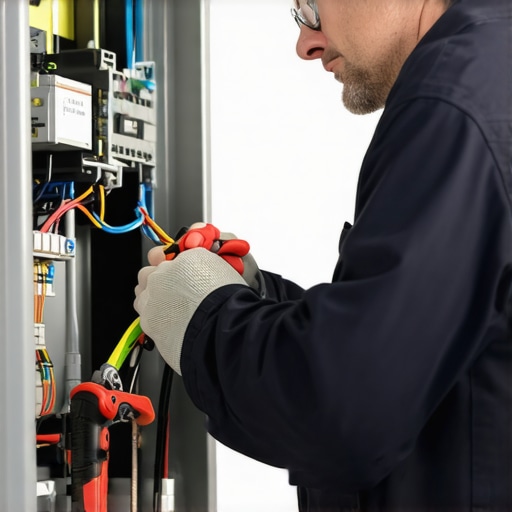
Next, verify that your HVAC system is powered on. Locate your breaker box and look for tripped switches; a common culprit is an overloaded circuit or a power surge. Reset any tripped breakers, but if they continue to trip, it indicates a deeper electrical issue that requires professional attention. Think of it as ensuring your car has fuel before a long trip—basic, but essential. For electrical safety tips, visit HVAC troubleshooting resources.
Examine and Replace Filters Regularly
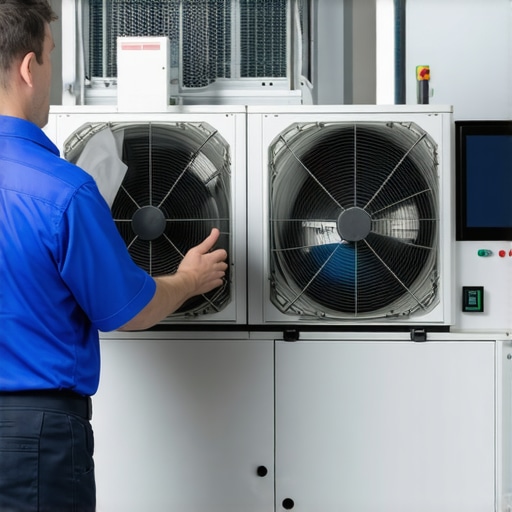
Clogged filters restrict airflow, putting extra strain on your system. Remove the filter, hold it up to light—if the light doesn’t come through, it’s time for a replacement. I once neglected this step, and my system’s fan started making unusual noises due to overheating. Regular filter changes—at least every three months—improve efficiency and prevent breakdowns. Learn more about filter maintenance at maintenance tips.
Inspect Air Vents and Registers for Obstructions
Blocked vents reduce airflow and cause uneven heating or cooling. Clear debris, furniture, or curtains blocking the vents. During one winter, I found a vent hidden behind a curtain, which severely impaired my heat distribution. Ensuring unobstructed airflow allows your system to operate efficiently. Need a visual guide? The HVAC system checklists can help.
Test System Components When Safe
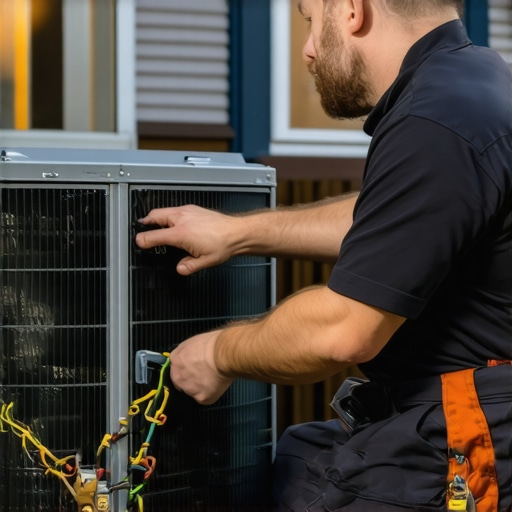
If you’re comfortable, visually inspect accessible parts such as contactors, relays, or capacitors. Look for signs of corrosion, burn marks, or swelling. I once replaced a faulty capacitor myself after noticing bulges, which immediately restored my heat pump’s performance. However, avoid handling any high-voltage parts unless you’re trained—electricity is dangerous. For complex diagnostics, consider consulting professional repair services.
Decide When to Call a Professional
If these steps don’t resolve the issue, it’s time to seek expert help. Persistent problems like refrigerant leaks, compressor failures, or faulty wiring demand specialized tools and knowledge. Think of it as attempting to fix a car engine—you might cause more damage without proper experience. For trusted technicians, explore reliable HVAC repair services.
Many homeowners operate under the misconception that all HVAC issues are straightforward fixes, but the reality is far more nuanced. One common myth is that replacing parts like thermostats or filters will solve most problems, while in truth, these are often symptomatic fixes rather than addressing the root cause. Relying solely on quick replacements can lead to recurring failures and increased costs over time. For example, a worn-out compressor or faulty wiring might be the real culprit, and addressing only minor visible issues won’t prevent future breakdowns. This misconception can trap homeowners into a cycle of temporary fixes, which experts warn can be more costly than proactive maintenance.
Are All HVAC Problems Created Equal, or Are Some Tricks Dangerous?
It’s tempting to think that every system hiccup can be easily diagnosed online or fixed with a quick DIY patch. However, this mindset often leads to dangerous situations, such as mishandling electrical components or refrigerants, which require specialized training. For instance, attempting to recharge a heat pump refrigerant without proper tools and knowledge can cause more harm than good, not to mention safety hazards. An advanced repair approach emphasizes comprehensive diagnostics—checking electrical connections, sensor calibration, and refrigerant levels—rather than just replacing parts. This helps ensure long-term efficiency and safety.
Another nuanced point involves understanding the hidden challenges that affect HVAC lifespan. For example, improper airflow due to unclean ductwork can cause premature wear on components, leading many to overlook basic issues that are actually cost-effective in the long run. Preventive maintenance is often underestimated, yet it can be the difference between a system lasting 15 years or failing after just 8.
Have you ever fallen into this trap? Let me know in the comments.
Recognizing these hidden nuances and dispelling common myths allows homeowners to make more informed decisions. Instead of chasing quick fixes, embracing a strategic, expert-guided approach—like regular inspections and in-depth diagnostics—ensures your HVAC system operates efficiently for years to come. For mature insights, exploring trusted resources on HVAC troubleshooting can be invaluable. Remember, sometimes the best solution is knowing when to call a professional before a minor issue turns into a costly repair nightmare.
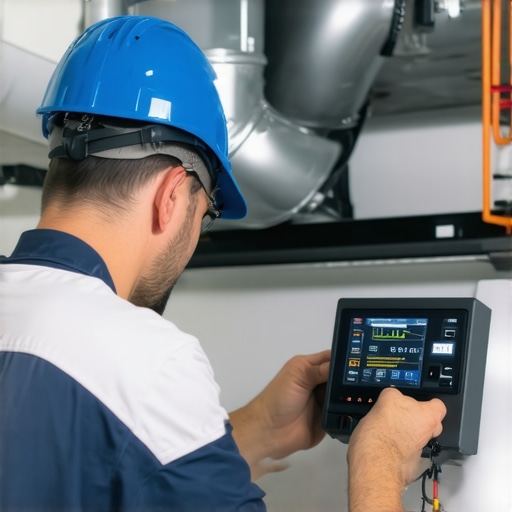
Maintaining your furnace, heat pump, or mini-split system over time requires more than just regular inspections; it demands the right tools and a methodical approach. As an HVAC enthusiast and professional, I rely on a combination of advanced diagnostic equipment and software to ensure systems operate at peak efficiency. These tools help me identify issues early, saving time and preventing costly repairs down the road.
Why Invest in a Digital Manifold Gauge Set
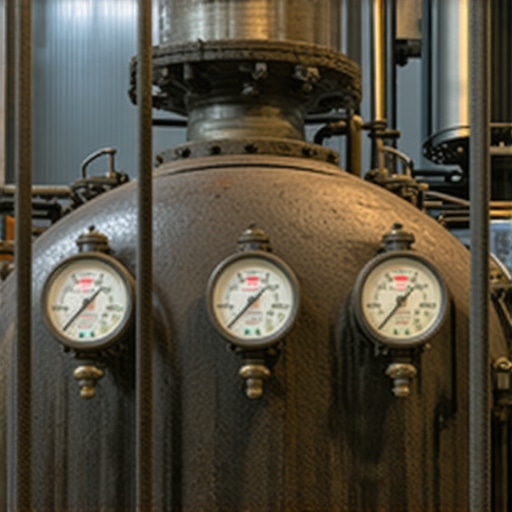
One of my go-to tools is the digital manifold gauge set. Unlike traditional analog gauges, digital models provide precise readings of refrigerant pressures and temperatures, enabling me to quickly diagnose issues such as low refrigerant or blocked valves. I personally prefer models like the Yellow Jacket Series, which sync with my smartphone via Bluetooth, allowing remote monitoring and data logging. This enhances my ability to spot trends over time, especially when managing multiple systems.
Using Infrared Thermometers for Quick Heat Checks
An accurate infrared thermometer is indispensable. It helps me verify temperature differentials across components—such as the evaporator coil, supply, and return vents—ensuring optimal airflow and heat transfer. I recommend models with a laser pointer and adjustable emissivity settings, like the Fluke 62 MAX, to get precise readings even in challenging conditions. Regularly checking temperature differences allows me to detect issues like airflow restrictions or refrigerant problems early.
Smart Thermostats and IoT Integration
Modern HVAC maintenance includes software tools like smart thermostats (Nest, Ecobee) and IoT platforms. These devices do more than just control temperatures; they provide detailed diagnostics on system performance, energy consumption, and fault alerts. I integrate these systems into my workflow because they offer real-time data, enabling proactive maintenance rather than reactive fixes. Over time, this approach greatly extends equipment lifespan and reduces utility costs.
Scheduled Data Logging for Long-Term Insights
Another effective method is establishing a routine for data logging. Using HVAC-specific software like ServiceTitan or FieldPulse, I record pressure readings, temperature differentials, and operational hours. This data helps me spot patterns—such as gradual performance decline—that could indicate impending failures. Combining data logging with physical tools provides a comprehensive picture, empowering me to advise clients accurately and plan maintenance proactively.
The Future of HVAC Maintenance Tools
Looking ahead, I predict that AI-powered diagnostics and machine learning algorithms will play a bigger role. These tools will analyze cumulative data to predict system failures before they occur, allowing for truly preventative maintenance. As they become more affordable and accessible, homeowners and technicians will benefit from smarter, more reliable systems.
How do I keep my HVAC systems in top shape over time?
Start by investing in the right diagnostic tools—digital manifold gauges, infrared thermometers, and smart thermostats are game-changers. Pair this hardware with disciplined data logging and routine inspections. Regularly update your system’s firmware and consult reliable resources, like expert tips for system efficiency. For best results, I recommend trying out pressure and temperature logging with an infrared thermometer and monitor your system’s performance over time. These practices will empower you to catch issues early and keep your home comfortable year-round.
3 Costly Mistakes I Made That Changed My Approach to HVAC Maintenance
Early in my career, I believed that DIY repairs were enough to keep systems running smoothly. That illusion shattered when I underestimated the importance of comprehensive diagnostics. For example, I once ignored subtle airflow restrictions, assuming filters were the only culprits, which led to premature equipment failure. The big lesson? Never assume; always verify with the right tools, like professional-grade diagnostic tools.
My Top Picks for Tools That Save Time and Money on HVAC Repairs
Over the years, I’ve found that investing in quality equipment like digital manifold gauges and infrared thermometers unpredictably pays off. These tools allow me to pinpoint issues early, avoiding costly callbacks. Additionally, integrating smart thermostats has transformed how I monitor system health remotely—saving both time and stress. Trust me, a small investment in these tools can make a world of difference in diagnosing and resolving issues efficiently.
Realization That Keeps Me Ahead in HVAC Troubleshooting
Perhaps my most significant insight is that a proactive approach beats waiting for problems to escalate. Instead of reacting to system failures, I now prioritize scheduled maintenance and data analysis. This mindset has helped me identify trends such as gradual refrigerant pressure drops before they become emergencies. It’s like giving your HVAC system a health check-up instead of waiting until it’s on life support. Regular inspections paired with intelligent monitoring tools enable me to deliver consistent comfort and longevity for my clients’ systems.
What’s Next for HVAC Enthusiasts and Homeowners
The future points to smarter systems, AI diagnostics, and more accessible troubleshooting tech—making home maintenance less of a mystery. If you’re ready to elevate your game, start by exploring trusted expert tips and gradually incorporate tools like smart thermostats and pressure gauges into your routine. Remember, every tiny upgrade and insight accumulates into a more reliable, energy-efficient home system. Step confidently into this evolving landscape, knowing that with the right knowledge, you can prevent most issues before they disrupt your comfort.
Are you currently relying on reactive fixes or proactive strategies to maintain your HVAC system? Drop your experiences below—let’s learn from each other’s journey toward smarter home comfort choices!